Play & Activities
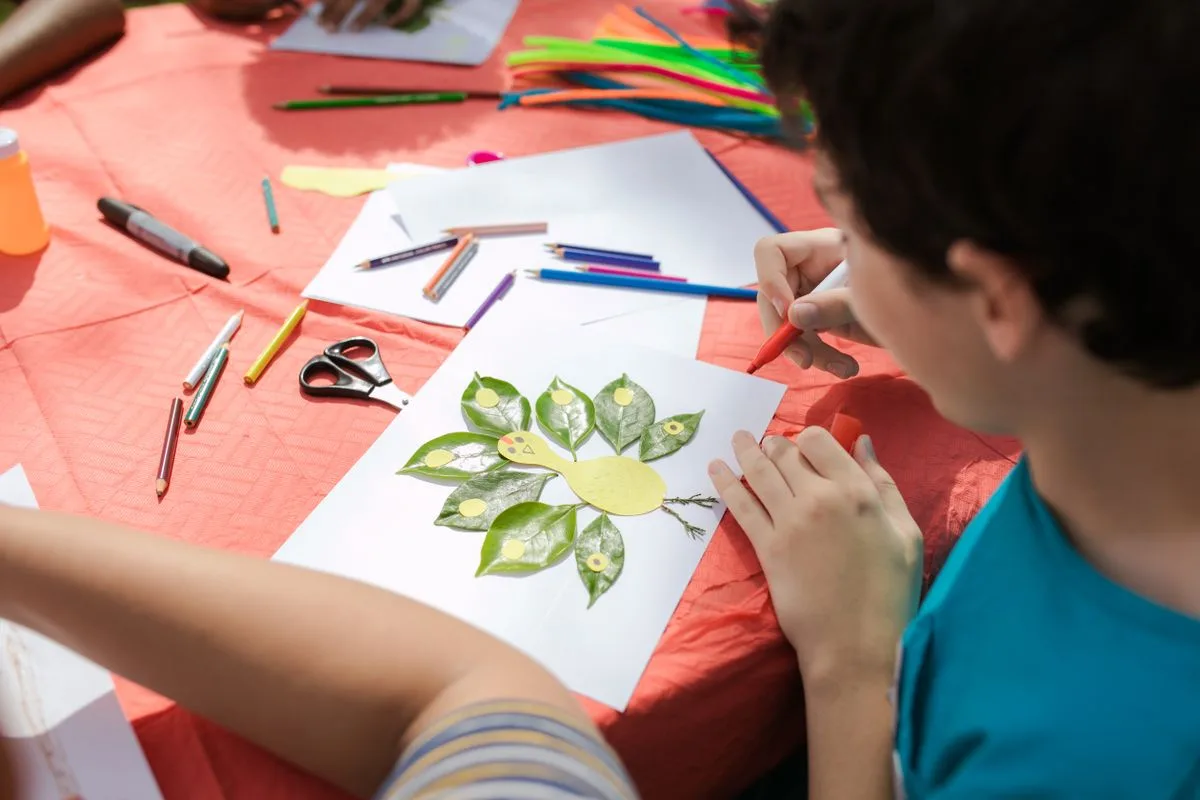
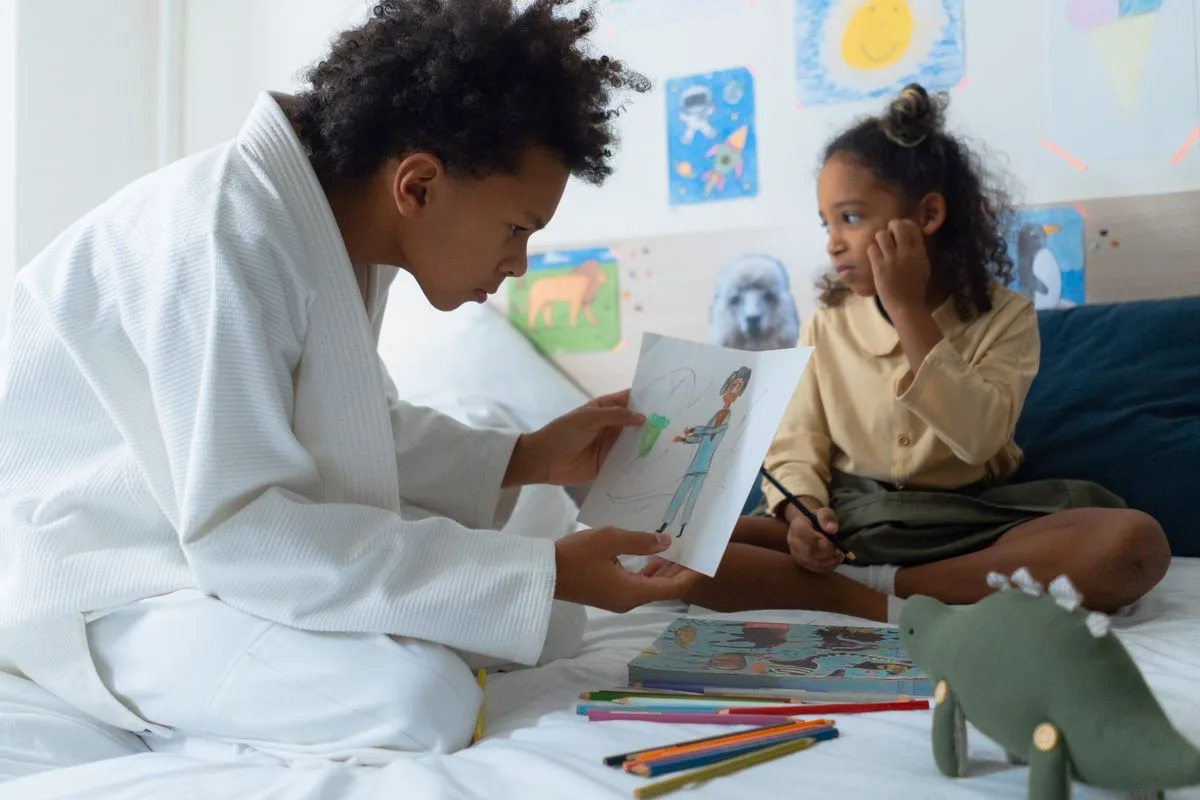
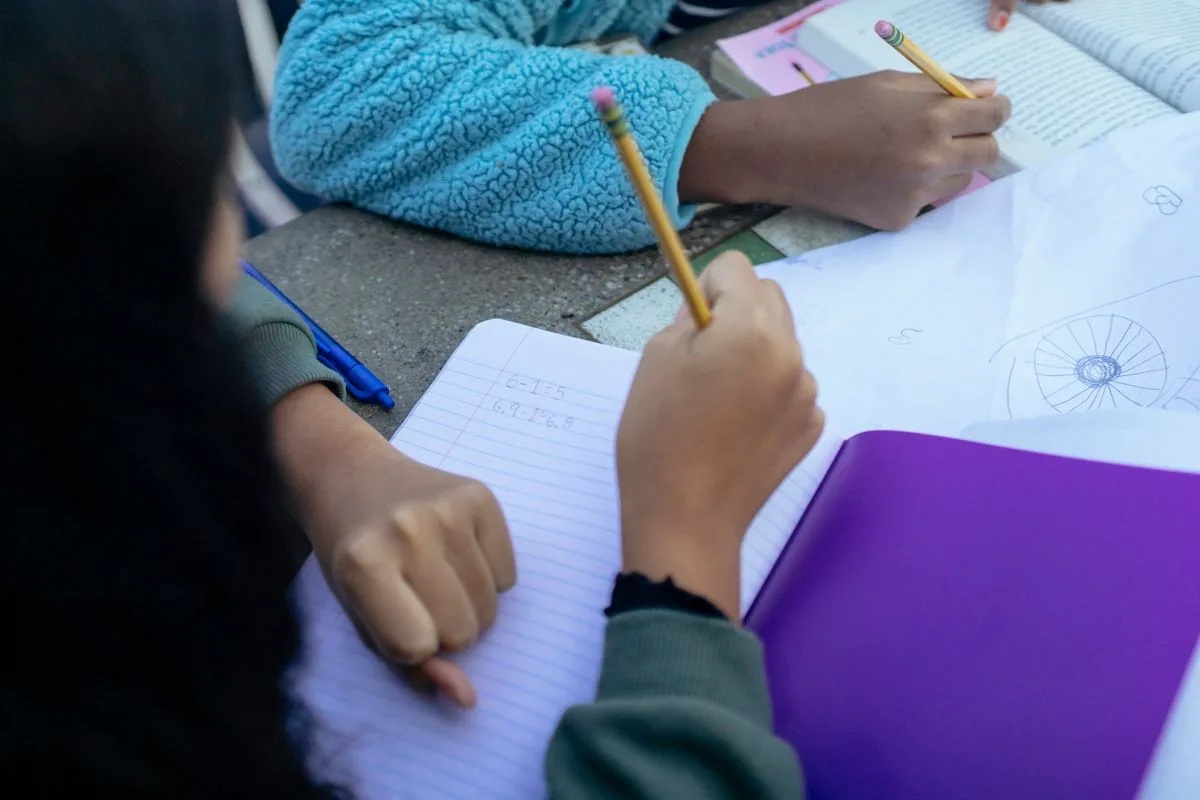
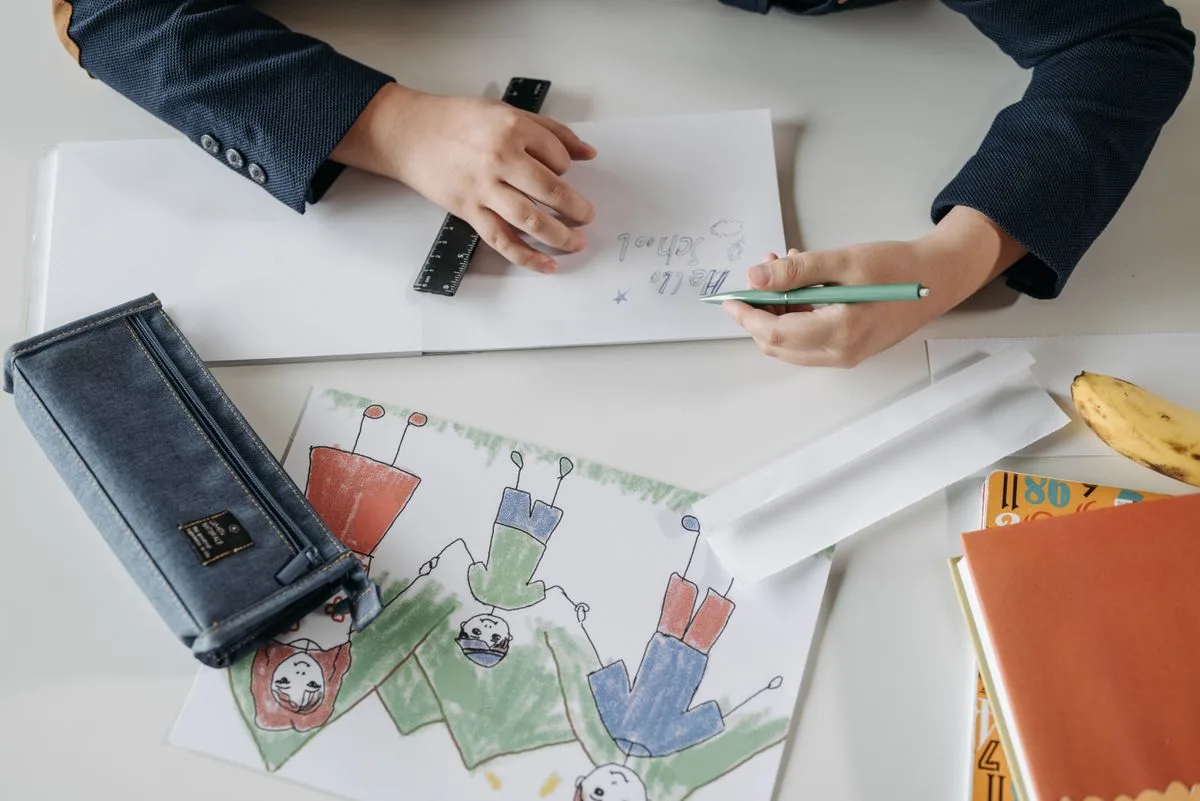
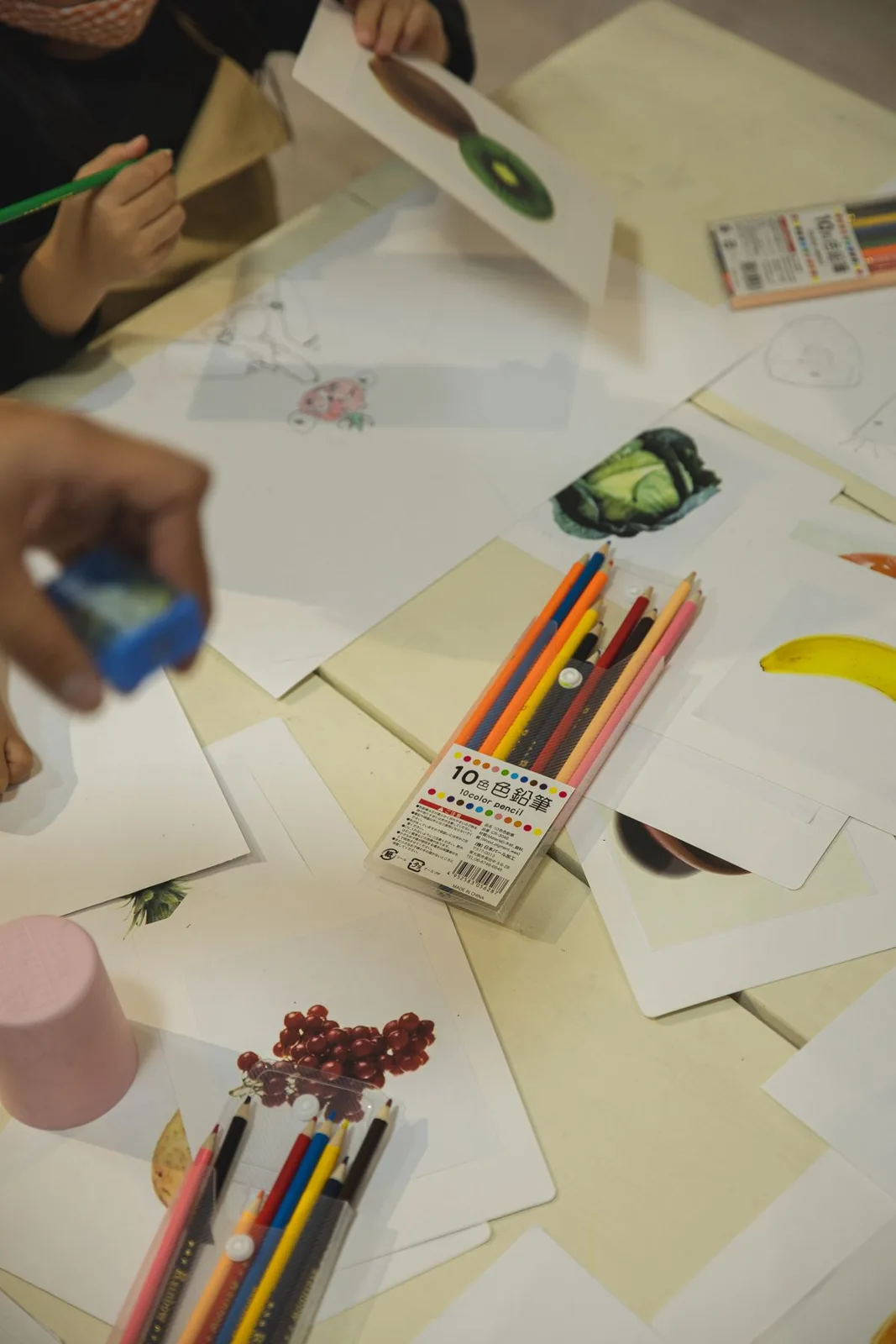
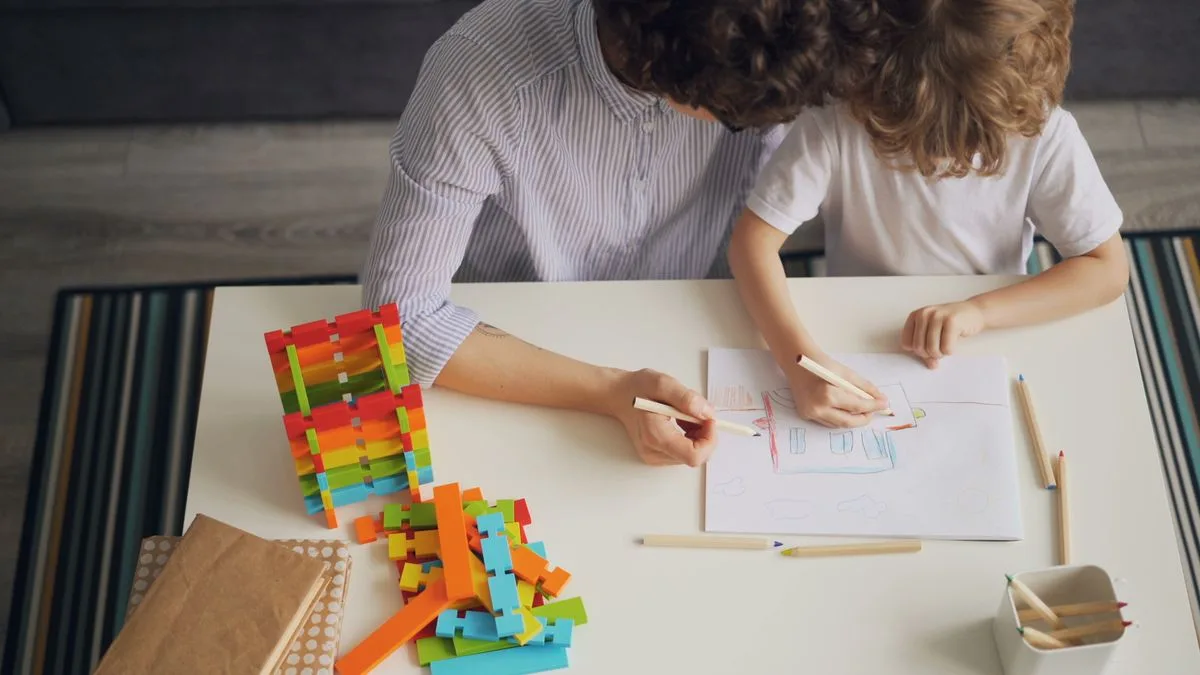
A rainy-day drawing table without the big clean-up
Set up an inviting drawing table with a small choice of materials, space for different ages and a clean-up children can help finish.
Read the guideSearch by a word or choose a part of family life.
133 guides to explore
Set up an inviting drawing table with a small choice of materials, space for different ages and a clean-up children can help finish.
Read the guideBuild an expandable cardboard town with a simple street plan, movable buildings and space for children of different ages to add their own ideas.
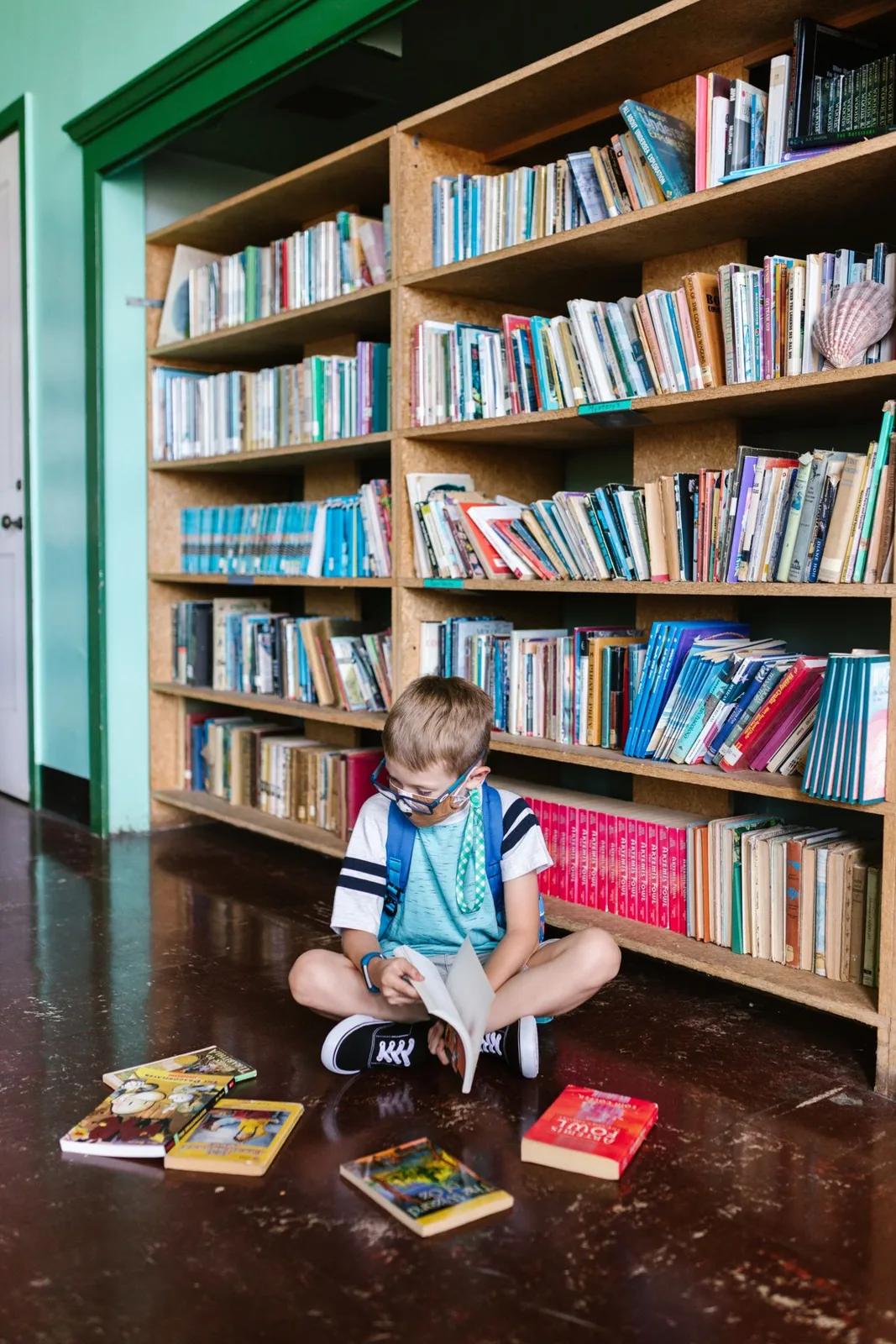
Read the guideTurn a handful of library books into a cosy floor picnic, with room for shared stories, independent browsing and an easy return-to-library routine.
Read the guideMake paper-bag puppets and a short home performance with simple character choices, a manageable stage and roles for children who prefer backstage jobs.
Read the guideFill the short wait before dinner with quick spoken and movement games that need little preparation and can stop when the meal is ready.
Read the guideTake a short colour hunt near home using things you can see rather than collect, with simple ways to include younger children and different routes.
Read the guideCreate a picture treasure hunt with clear indoor clues, manageable hiding places and a finish that works for readers and children who follow images.
Read the guidePut together a small kitchen band using suitable everyday objects, then try rhythms, quiet sounds and turn-taking without emptying every cupboard.
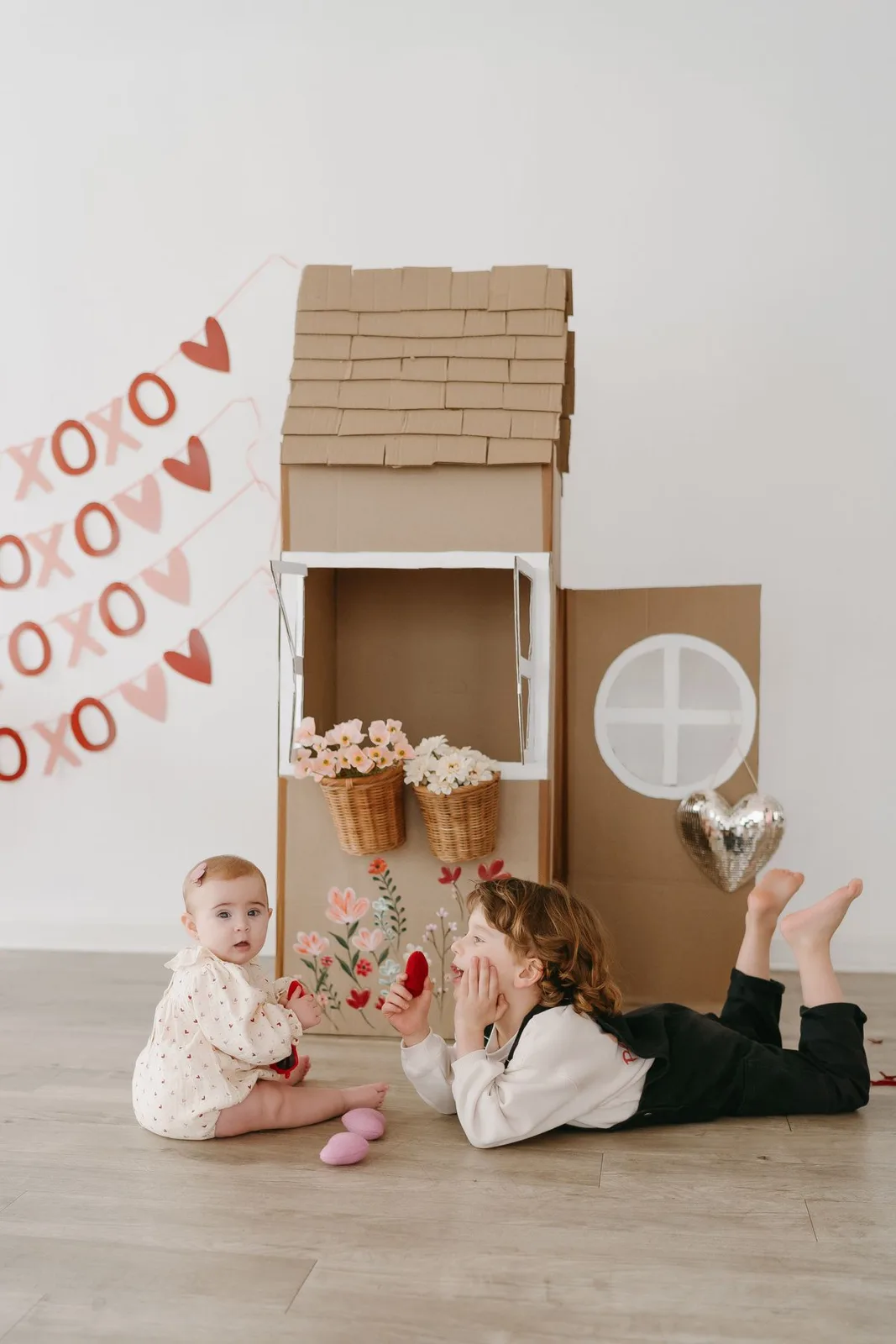
Read the guideTurn one cardboard box into a pretend shop with a small stock list, simple customer roles and a counter that can be packed away after play.
Read the guideShare a manageable watercolour session across different ages using a small palette, separate water pots and prompts that allow different results.
Read the guideBuild and adjust a block bridge with a clear gap, suitable toy loads and simple observations that help children compare their own ideas.
Read the guideCreate a small toy-animal landscape with a clear boundary, a few useful habitats and space for children to arrange, narrate or change the scene.
Read the guideMake up a shared family story from three ordinary objects, with easy turn-taking, support for hesitant storytellers and a clear way to finish.
Read the guideExplore paper aeroplanes through simple folds, gentle throws and one change at a time, using a clear indoor landing area and easy comparisons.
Read the guideMake clear leaf rubbings with a few fallen leaves, steady paper and simple colour choices, then turn favourite results into a small labelled collection.
Read the guidePrepare a small quiet play tray for an early morning using familiar materials, a clear play space and an easy way to return everything afterwards.
Read the guideUse familiar family photographs for a gentle guessing game, with respectful choices, different clue levels and alternatives for children who prefer not to guess.
Read the guideSet up a pretend post office with a few envelopes, a clear delivery route and simple sorting jobs that work for writers and picture-makers.
Read the guideTurn clean laundry into a short sock-pairing game with a small selection, accessible clues and a useful finish children can help complete.
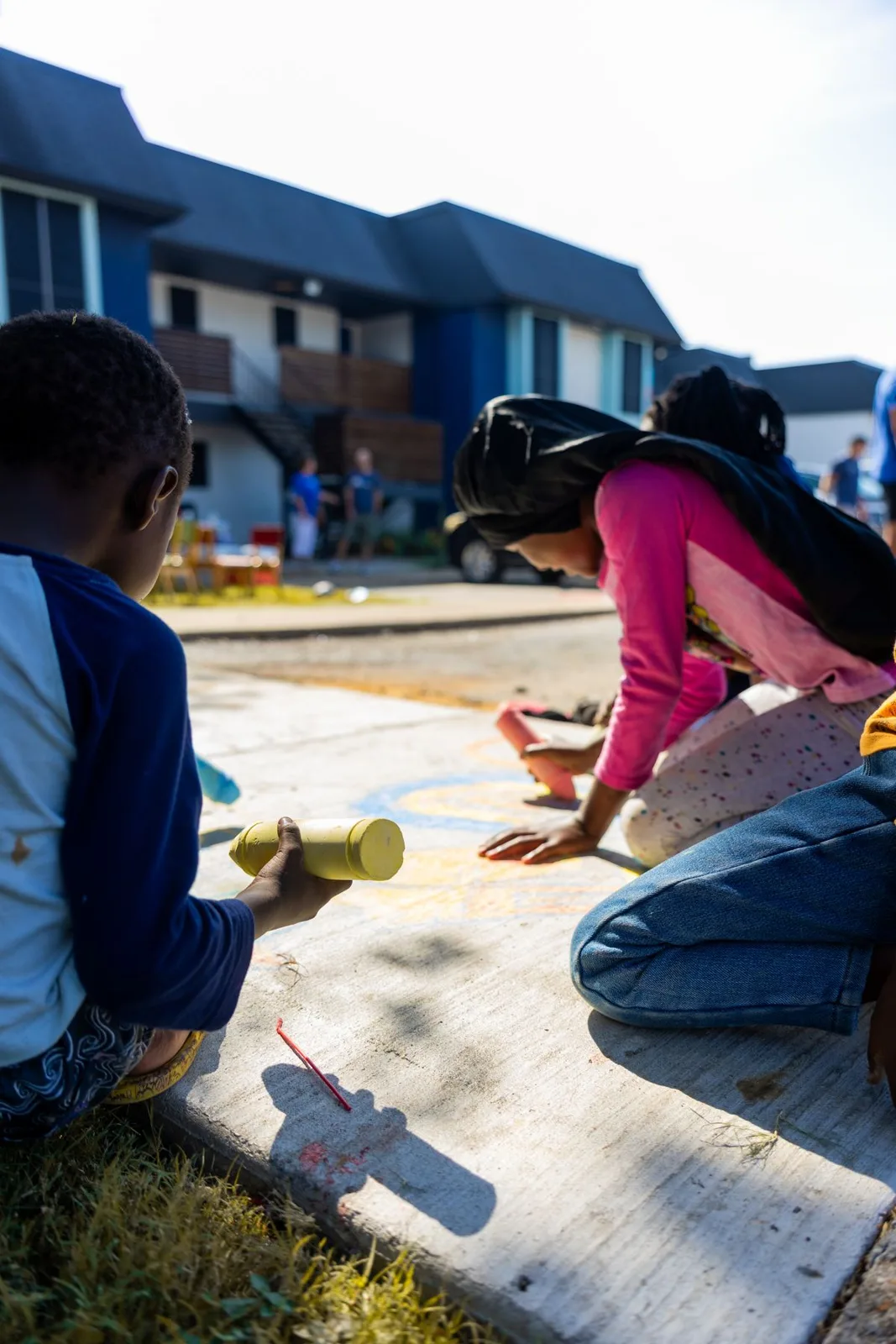
Read the guideUse a small paved space for chalk trails, target drawings and cooperative games, with easy adjustments for different ages and clear boundaries.
Read the guideDesign a simple board game on cereal-box card with a short route, clear turns and rules you can test and adjust during a first family play-through.
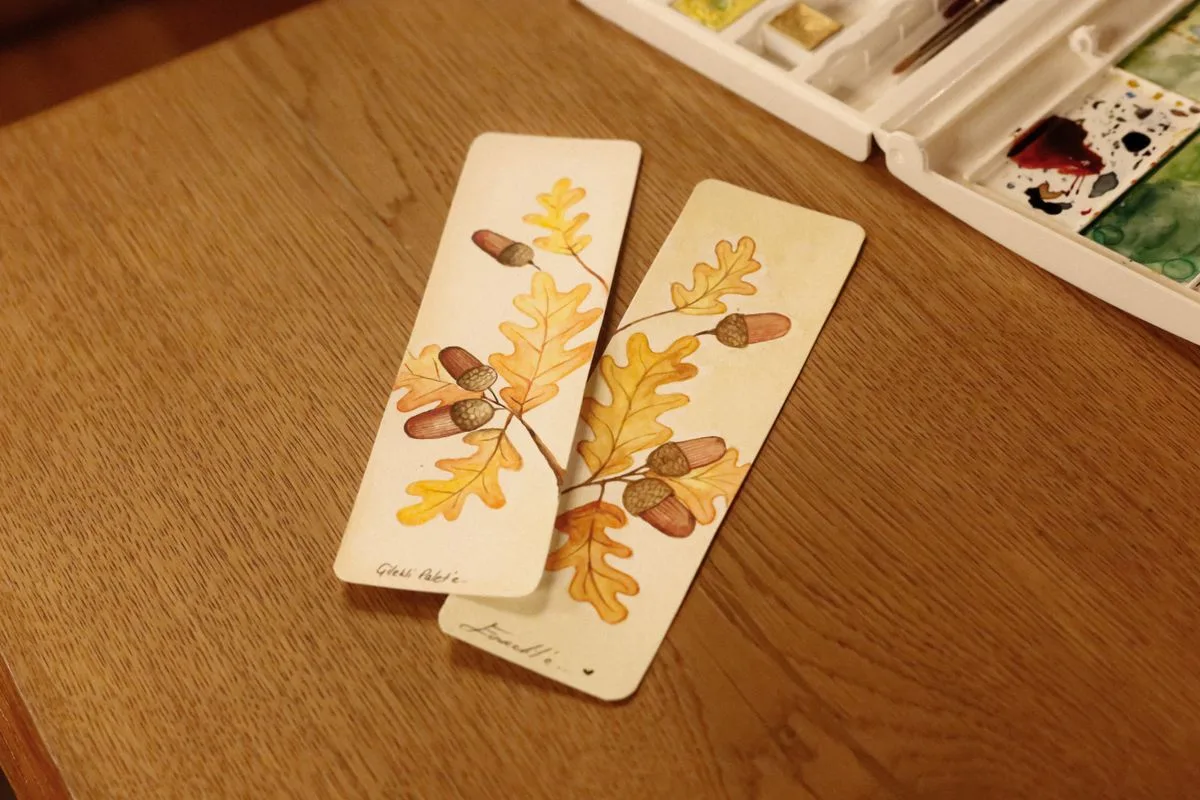
Read the guideMake useful paper bookmarks with sturdy card, comfortable proportions and decoration that stays flat, then give each finished design a book to mark.
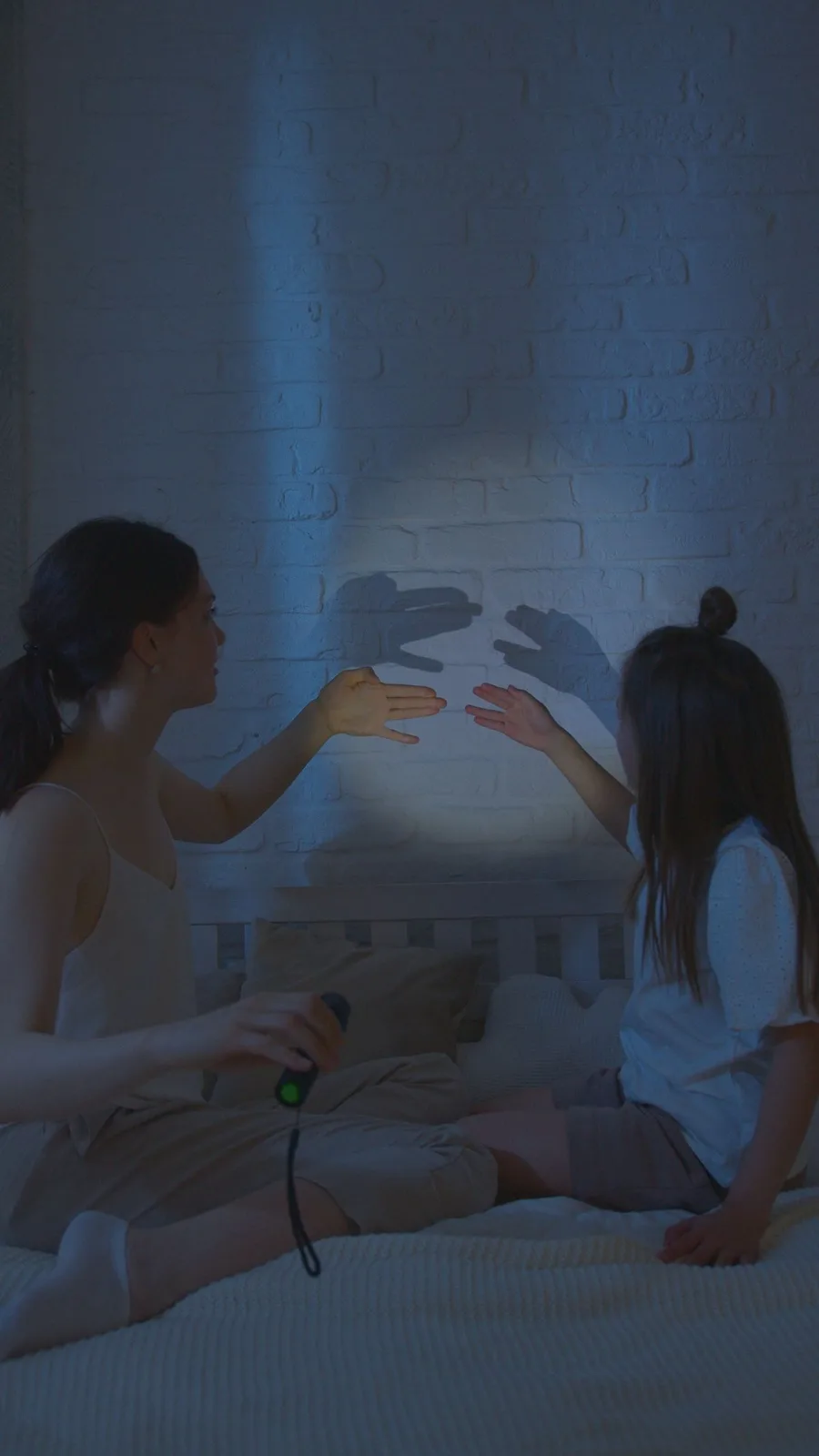
Read the guideExplore changing shadows with a handheld torch, a plain wall and simple objects, keeping the room comfortable and the experiment easy to follow.
Read the guideSet up a small doll or teddy picnic with pretend food, a manageable guest list and easy roles, then fold the whole scene away when play is finished.
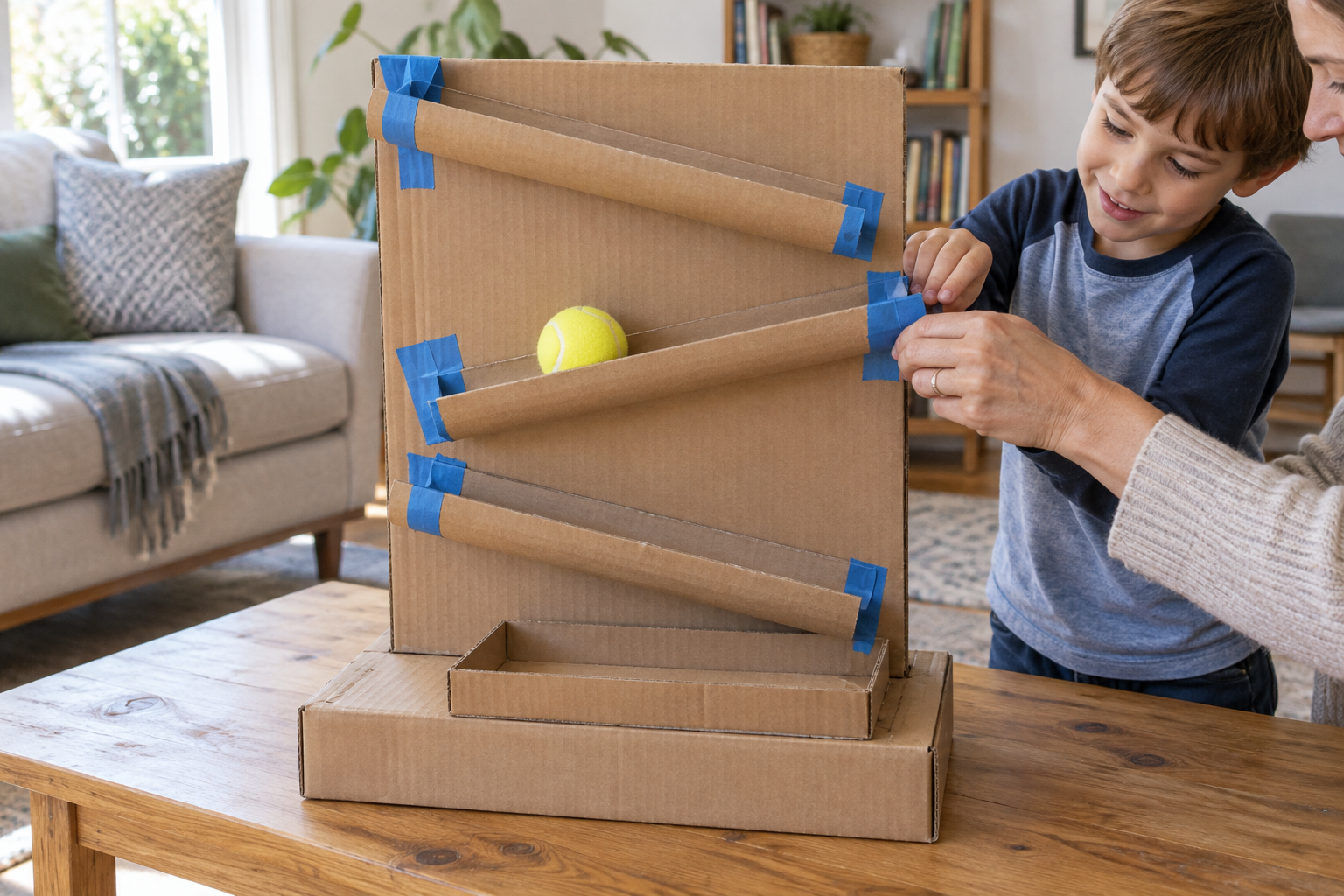
Read the guideBuild a cardboard ball run without marbles using a large suitable ball, open channels and small adjustments that help children see where motion changes.
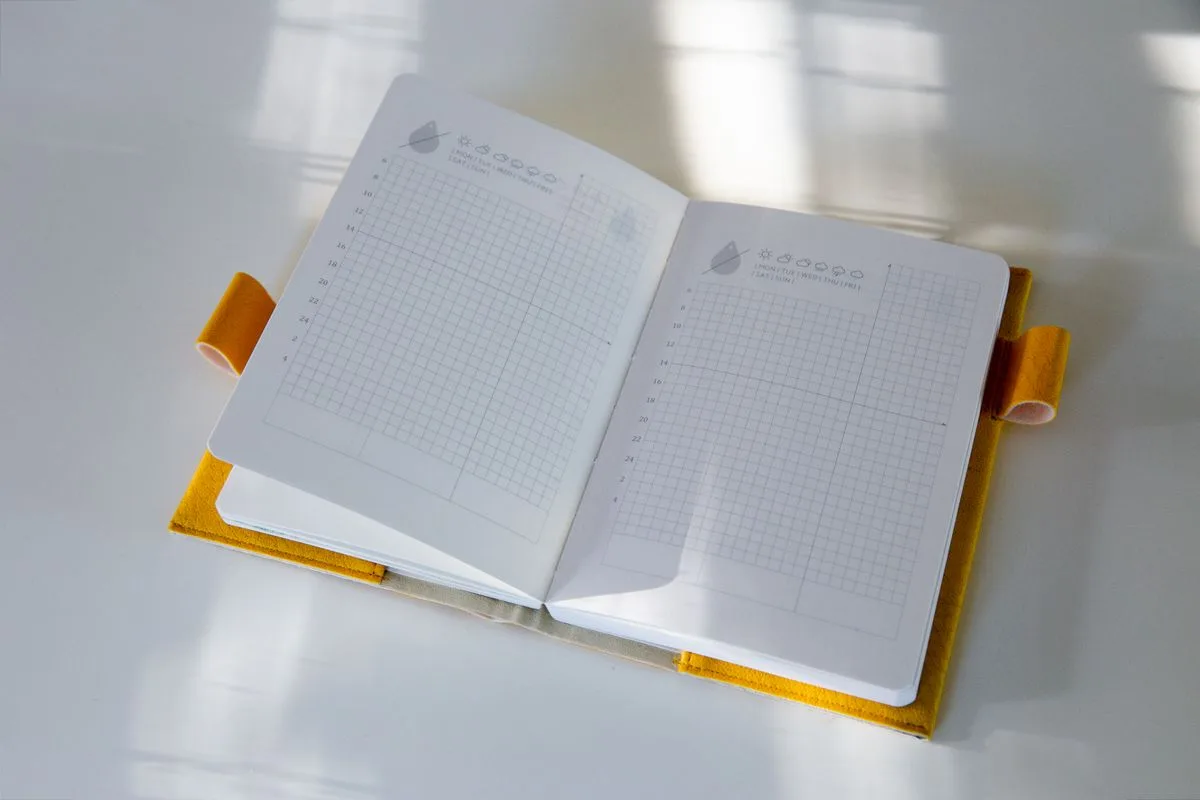
Read the guideMake a brief weather diary from one window using simple observations, repeatable drawings and a small page format children can return to easily.
Read the guidePlay a family stop-and-start dance game with clear signals, comfortable movement choices and a cooperative ending instead of players being knocked out.
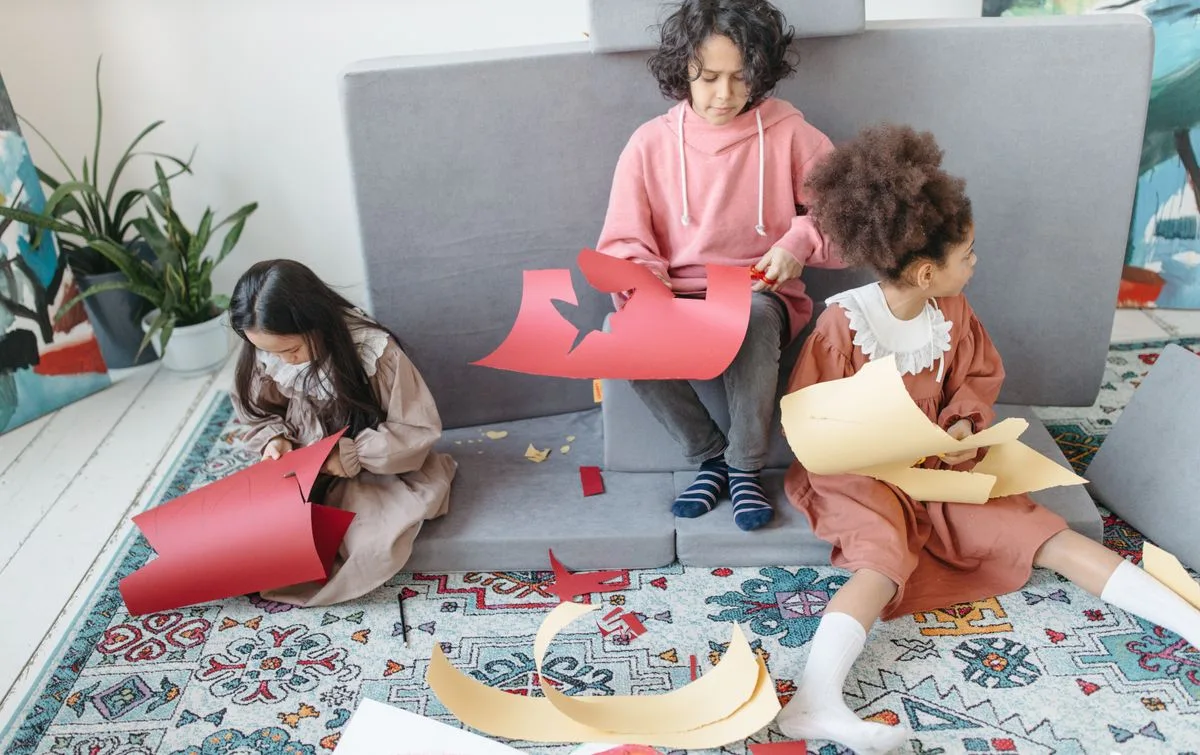
Read the guideMake a packaging collage with clean card and paper, a limited palette and clear sorting, keeping bulky plastics and messy preparation out of the session.
Read the guideMake a compact toy-car road with removable sections, useful destinations and passing places, so the play stays within a small room and packs away easily.
Read the guideOpen a small pretend café with paper menus, simple ordering roles and reusable props, including ways for younger children to join without reading.
Read the guideTry a shared drawing game with separate spaces, clear turn-taking and permission to pass, helping siblings add to one picture without taking it over.
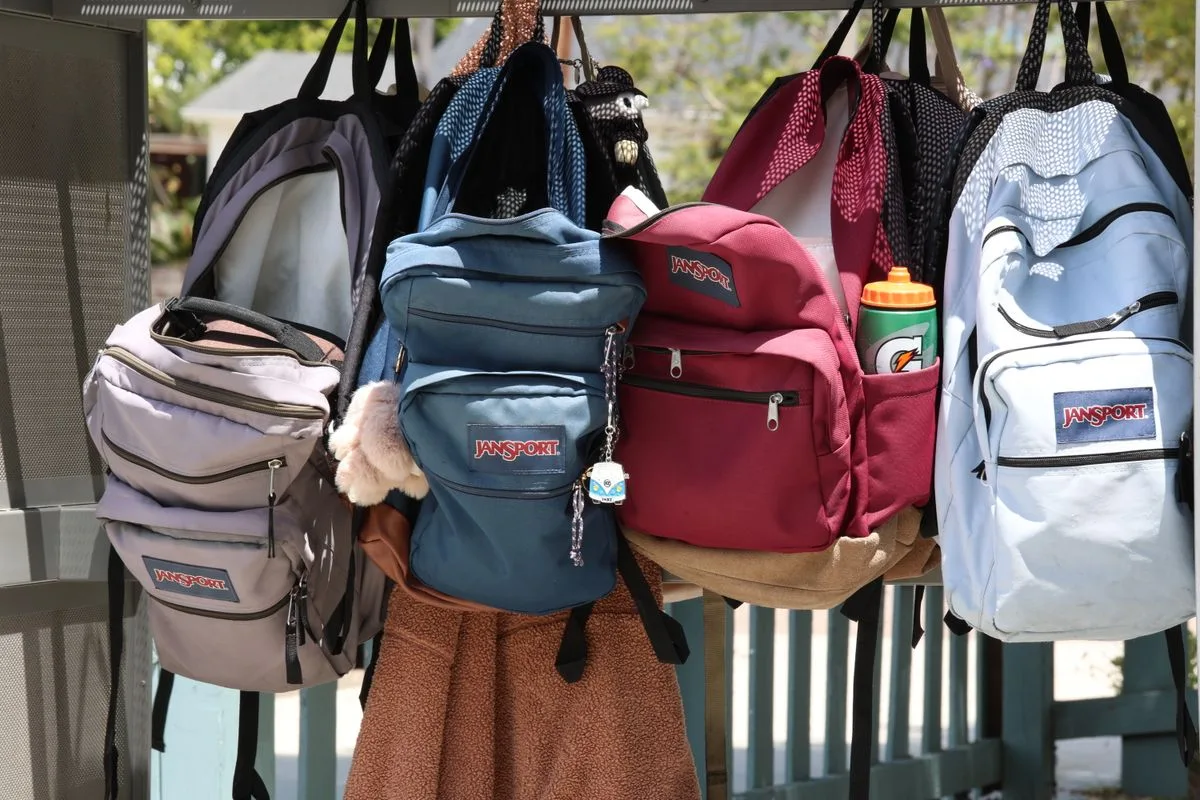
Read the guideMake one accessible home for school bags, letters and tomorrow’s essentials, even when the hallway has very little spare space.
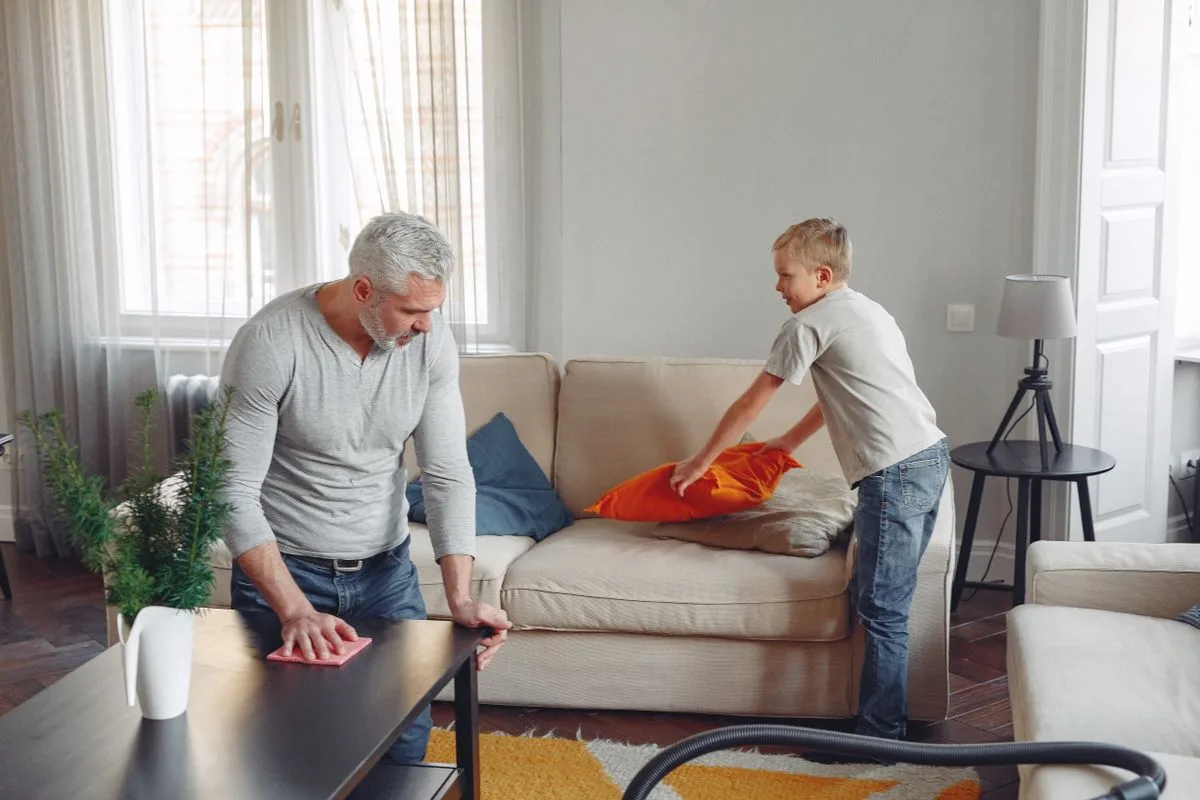
Read the guideUse a ten-minute evening reset to check tomorrow’s essentials, assign small jobs and stop on time, without turning the whole house into a sorting task.
Read the guideMake a morning picture checklist that follows a child’s real routine, with recognisable images, a few clear steps and adult support where it is needed.
Read the guideKeep school clothes ready through small checks during the week, with a simple storage place and clear plans for laundry, weather and changed requirements.
Read the guidePlan a quieter arrival after school with a short settling-in sequence, accessible essentials and room for children who need movement or less conversation.
Read the guideCapture school letters in one place, turn actions into clear reminders and keep private papers contained, so important forms do not disappear among notices.
Read the guideKeep library loans together with a reading place, a return bag and a brief due-date check, while leaving favourite books easy for children to reach.
Read the guideCreate a temporary homework space on a shared dining table using a small kit, an agreed time window and a packing routine that protects unfinished work.
Read the guideArrange a small after-school snack station around your household’s usual foods, with clear portions, adult checks and a reset that keeps cupboards usable.
Read the guideHelp a child pack for a regular club with a short kit list, a practical bag layout and a return routine that catches wet, missing or borrowed items.
Read the guideMake shoes and coats easier to manage in a narrow hallway with reachable storage, a short arrival sequence and space kept clear for coming and going.
Read the guideSet up a weekly family noticeboard with current plans, clear responsibilities and limited detail, then refresh it without creating another paper archive.
Read the guideMake the transition from school to home clearer with a brief adult handover, a child-friendly arrival plan and a place for information that can wait.
Read the guideKeep bedtime books easy to choose with a small bedside basket, room for favourites and a simple rotation that avoids piles spreading across the bedroom.
Read the guidePrepare a changed school collection with confirmed school procedures, a simple explanation for the child and clear details for the authorised adult collecting.
Read the guideBuild a short leaving-the-house checklist with your child, separating everyday essentials from occasional extras and placing reminders where they can be used.
Read the guideEase back into the school week with a short essentials check, familiar evenings and a realistic plan for the first few afternoons.
Read the guideGive children a clear pocket-money record with visible balances, simple purchase notes and a way to check what is available before spending.
Read the guideMake toy tidying easier to finish by naming a small area, giving each toy a clear destination and leaving ongoing projects somewhere sensible.
Read the guideChoose a small laundry job a young child can complete, from matching their own socks to carrying a light basket to an agreed place.
Read the guideKeep PE days visible, give sports clothes a reliable return route and make the weekly check clear enough for another carer to follow.
Read the guideGive weekends a few reliable anchors while leaving space for weather changes, different energy levels and the things that take longer than planned.
Read the guidePack a compact waiting-room bag with quiet activities, easy resets and a small set of supplies that still works when the wait is unpredictable.
Read the guideBuild a visible school-holiday calendar that distinguishes confirmed plans from possibilities and gives children a useful view of the days ahead.
Read the guideArrange a reachable getting-dressed corner with a small clothing choice, room to sit and practical help for the fastenings children are learning.
Read the guideCreate a shared charging place that is easy to find, follows device safety instructions and supports a family agreement about mealtime interruptions.
Read the guideGive children a clear place for everyday bathroom items while keeping medicines, cleaning products and adult equipment safely separate.
Read the guideSort end-of-term bags, papers and artwork in a short session that separates urgent jobs from keepsakes and things that can be cleared away.
Read the guideKeep borrowed books, clothes and equipment together with a clear owner note and a return plan that fits an existing journey.
Read the guidePlan a manageable half-day outing by choosing one shared destination, different roles for each age and a return time that leaves breathing room.
Read the guideGive a familiar park visit a fresh focus with one small mission that children can adapt, abandon or repeat without extra equipment.
Read the guideShape a short museum visit around one area, a few objects worth noticing and a clear exit plan that leaves the rest for another day.
Read the guideMake a library visit a shared outing with time to explore a shelf, ask a useful question and enjoy books before choosing what comes home.
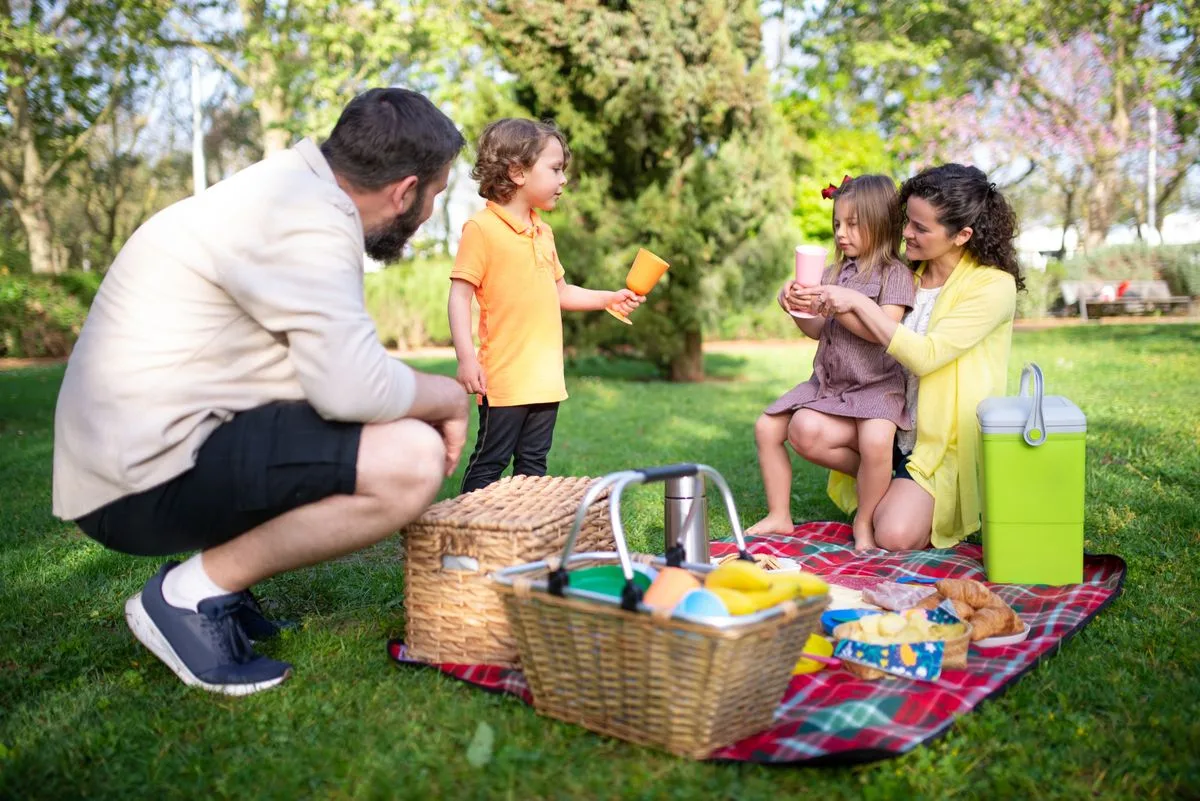
Read the guidePack a manageable family picnic with easy portions, appropriate food cooling and a clear way to separate leftovers, rubbish and dirty containers.
Read the guideMake a short train journey the main event with a simple return plan, practical station checks and enough time to move without rushing.
Read the guideChoose a short woodland route with natural pauses, a clear return option and ways for different ages to notice the same surroundings.
Read the guideCheck tides, lifeguard cover, access and the forecast before a beach visit, then choose a modest plan that can change with local conditions.
Read the guideAssess a pushchair route using specific questions about surfaces, gates, slopes and facilities, then keep a workable shortcut in the plan.
Read the guidePlan a wet-weather outing with a nearby indoor alternative, realistic travel arrangements and a clear point for deciding whether to change course.
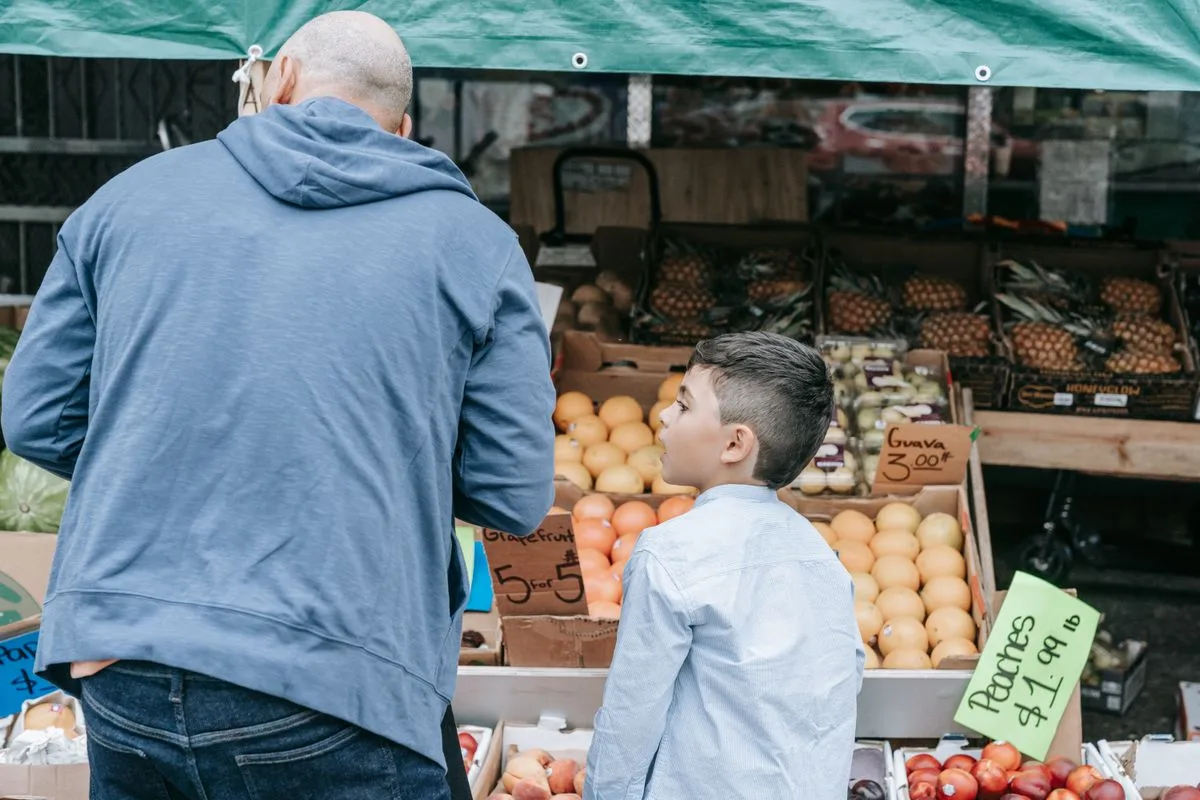
Read the guideTurn a market visit into a manageable family errand with a tiny picture list, clear buying limits and room to watch without holding up stalls.
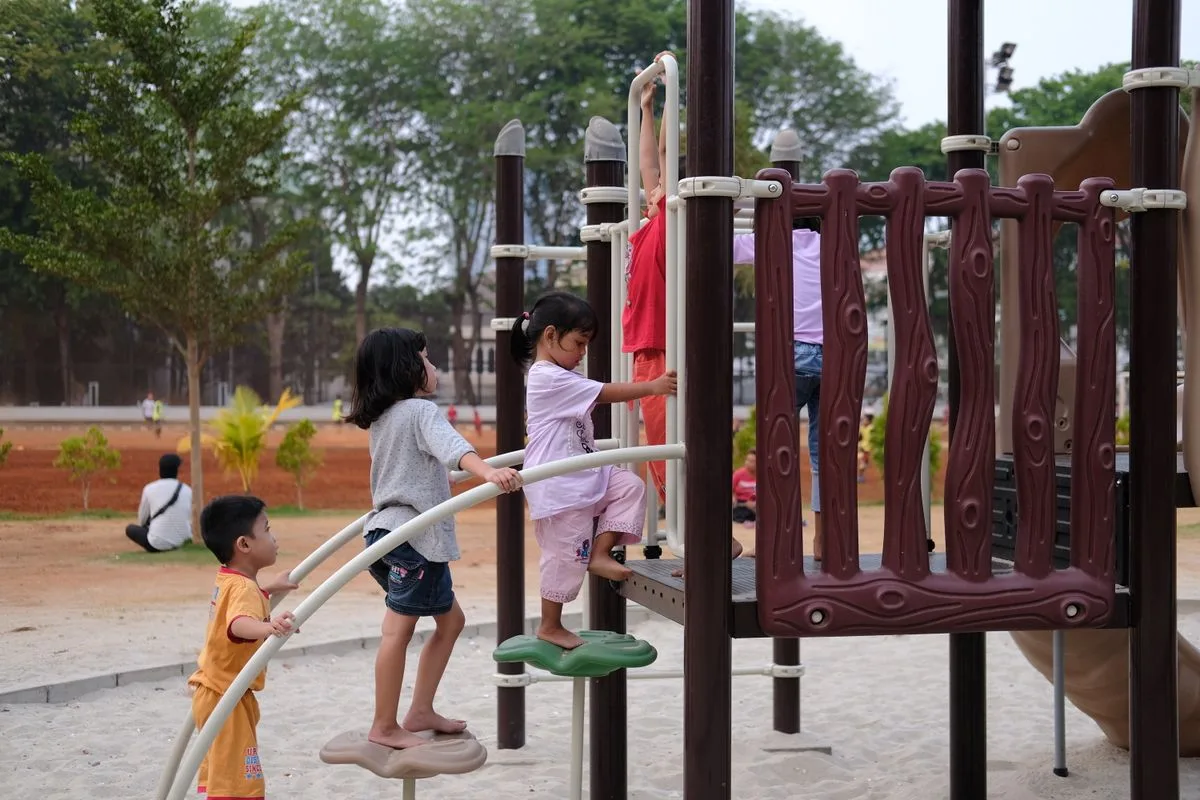
Read the guideTry a different playground without turning the morning into a major trip, using practical access checks and realistic choices for each child.
Read the guideAdd curiosity to an ordinary family walk with spoken games, simple observation prompts and challenges that need no special equipment.
Read the guideKeep a local family outing within an agreed budget by checking travel and extras first, choosing one destination and making food plans in advance.
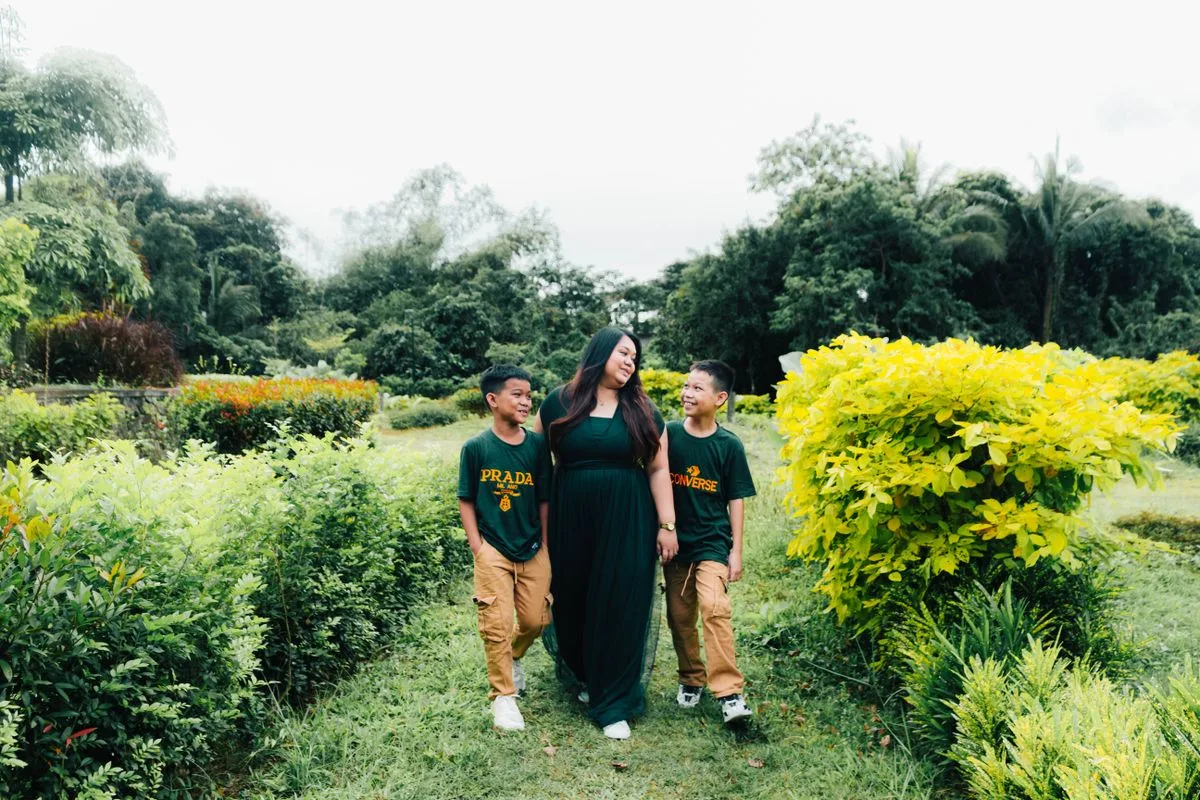
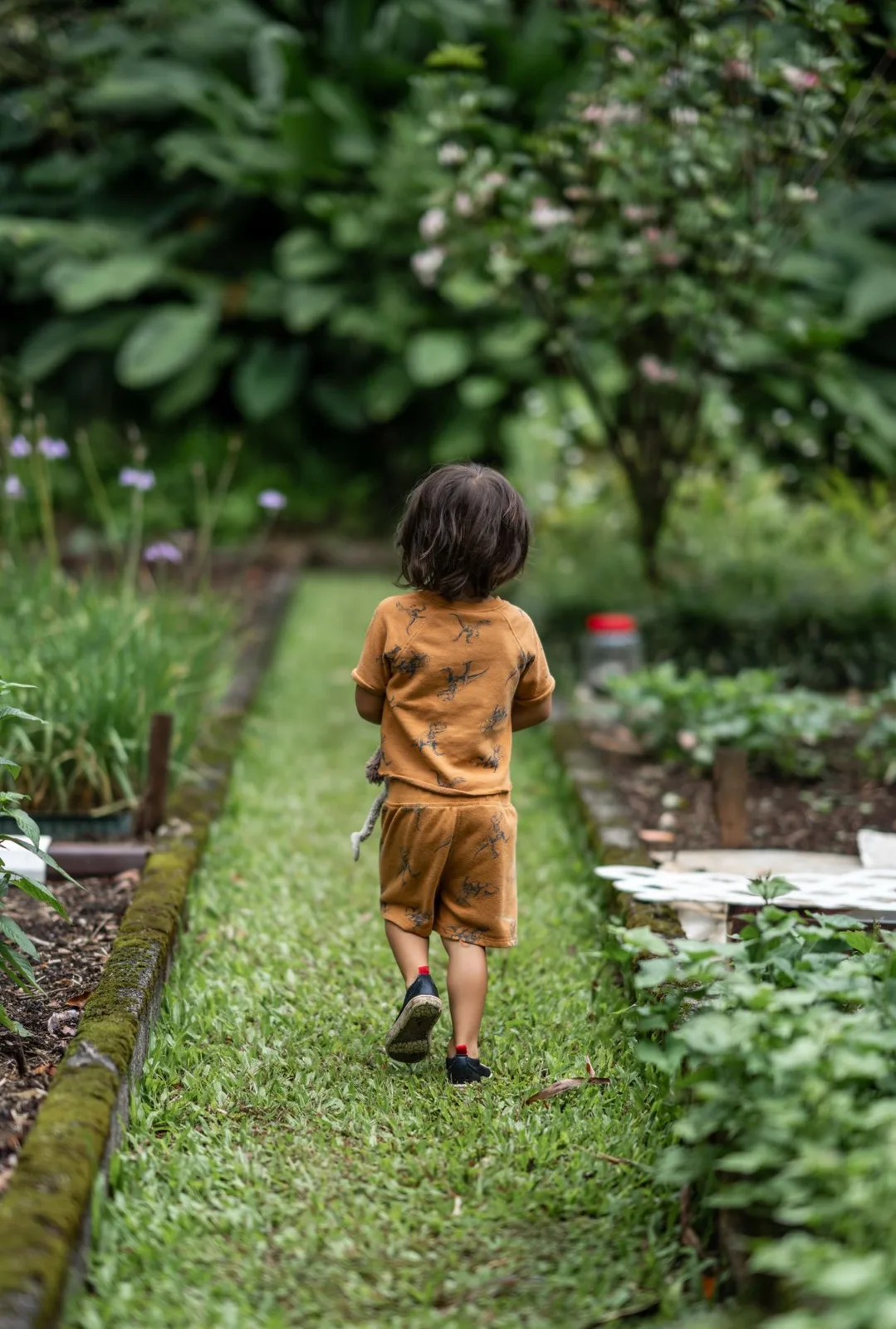
Read the guideGive a public garden visit a child-sized focus through shapes, scents and seasonal details, while respecting paths, plants and other visitors.
Read the guidePrepare for a family farm visit with clear animal-area rules, proper handwashing plans and a short route that suits young children's pace.
Read the guidePut together a slim travel wallet with a notebook, a few drawing tools and reusable prompts that can be packed away quickly during a journey.
Read the guideTry a simple map-and-clue hunt on permitted paths, with clear boundaries, adult navigation and no need to hide objects or leave anything behind.
Read the guidePlan a short coastal walk around a safe route, current conditions and an early turning point that leaves enough time and energy to return.
Read the guidePlan a short city walk around three nearby stops, clear road-crossing arrangements and a flexible route with somewhere to pause along the way.
Read the guideWork through a reluctant child's specific concerns, offer choices that fit the real plan and keep expectations clear about what can change.
Read the guidePack for a family visit using what is already available at the destination, a short essentials list and one manageable activity for the journey.
Read the guideTry a short photo walk with a small image limit, respectful subjects and time to notice the scene before reaching for a camera.
Read the guideEnjoy autumn colours and textures with looking, describing and drawing challenges that leave leaves, seeds and wildlife habitats where they belong.
Read the guideNotice spring blossom on a short local walk, compare trees from public paths and return later to see how the same familiar view changes.
Read the guidePrepare the return journey before an outing begins, with accessible essentials, a clear departure cue and fewer jobs waiting at the front door.
Read the guideLet children recall an outing in their own way, with a few optional prompts that reveal useful details without turning the day into homework.
Read the guideGive school dates one reliable home, agree who turns messages into actions and reduce the reminders travelling between adults.
Read the guideUse a small weekly conversation to spot awkward dates, share one decision and let children contribute without creating another long meeting.
Read the guideMake recurring household tasks easier to share by agreeing the whole job, the standard that matters and what happens when plans change.
Read the guideWrite a short, practical care handover with the details another adult needs today, clear contact arrangements and less unnecessary information.
Read the guideFind small, realistic opportunities for time with one child, using familiar activities and a plan that does not depend on elaborate outings.
Read the guideTurn vague household expectations into a few clear actions, with examples adults can explain and children can practise in everyday situations.
Read the guideGather school questions in one private place, sort out which need an answer now and arrive at a conversation with a clear, manageable list.
Read the guideChoose a family activity within real limits, give children meaningful input and avoid a weekend plan that depends on everyone wanting the same thing.
Read the guideLet adults bring different strengths to play while agreeing the boundaries that matter and leaving children room to lead their own ideas.
Read the guidePrepare a family routine change with a clear starting date, realistic responsibilities and a small trial that makes awkward details easier to spot.
Read the guideMake care handovers between different work shifts clearer with a short shared note, confirmed responsibilities and a reliable place for essential items.
Read the guideHelp grandparents take part in everyday family care with a clear invitation, useful practical details and room for their own comfortable ways of joining in.
Read the guideHold a useful first family meeting around one small decision, with a concrete choice, space for younger voices and a clear action everyone understands.
Read the guideKeep children’s party invitations manageable with one reply record, clear decisions about gifts and travel, and a practical place for the details.
Read the guideMake promises to children easier to understand and keep by naming a small action, choosing an honest time and explaining changes without vague reassurance.
Read the guideCreate a simple school-week guide that shows ordinary arrangements, unusual days and who handles each change without duplicating every school message.
Read the guidePlan a relaxed family visit with grandparents or relatives by agreeing one shared activity, leaving ordinary gaps and making departure arrangements clear.
Read the guideGive children meaningful influence over one household task by offering real choices about the method, trying their idea and keeping the finish visible.
Read the guideDiscuss a changed family plan with a clear account of what happened, realistic alternatives and agreed next steps that avoid turning the problem into blame.
Read the guideAgree a practical family photo-sharing routine with clear permissions, a small recipient list and an easy way to separate private memories from public posts.
Read the guideOrganise a child’s birthday with one visible plan covering the activity, budget, invitations and preparation so the small jobs have clear owners.
Read the guideNotice everyday help with a small family thank-you ritual that names a useful action, includes quieter contributions and stays free of scores or performance.
Read the guideShare the preparation for a new school term by checking official lists, sorting what you already own and dividing complete tasks before the final evening.
Read the guideUse a simple family planning notebook with a current-week page, a place for unresolved jobs and a brief reset that keeps old lists from taking over.
Read the guideRotate a small selection of toys using one existing container, familiar favourites and a simple swap that keeps storage and sorting proportionate.
Read the guideMake a comfortable reading corner in a shared room with reachable books, ordinary seating and lighting that lets the space serve the household naturally.
Read the guideSort children’s artwork with their input, a small temporary display and a realistic keepsake limit so meaningful pieces remain easy to find.
Read the guideOrganise a modest craft cupboard around visible materials, reachable everyday supplies and one clear limit that makes starting and stopping easier.
Read the guideMake a small family photo album children can explore with clear images, simple captions and durable pages that suit repeated handling.
Read the guidePlan a manageable birthday at home around one activity, with realistic guest numbers, a useful room set-up and a simple finish for children and adults.
Read the guideSet up a modest family games shelf with complete boxes, reachable choices and clear places for loose pieces so playing feels easier to begin.
Read the guideGive children sharing a bedroom some recognisable personal space through small storage choices, agreed boundaries and a room layout that respects everyday use.
Read the guideMake a reusable celebration box with a small set of adaptable decorations, clear storage limits and a check that keeps the contents ready for next time.
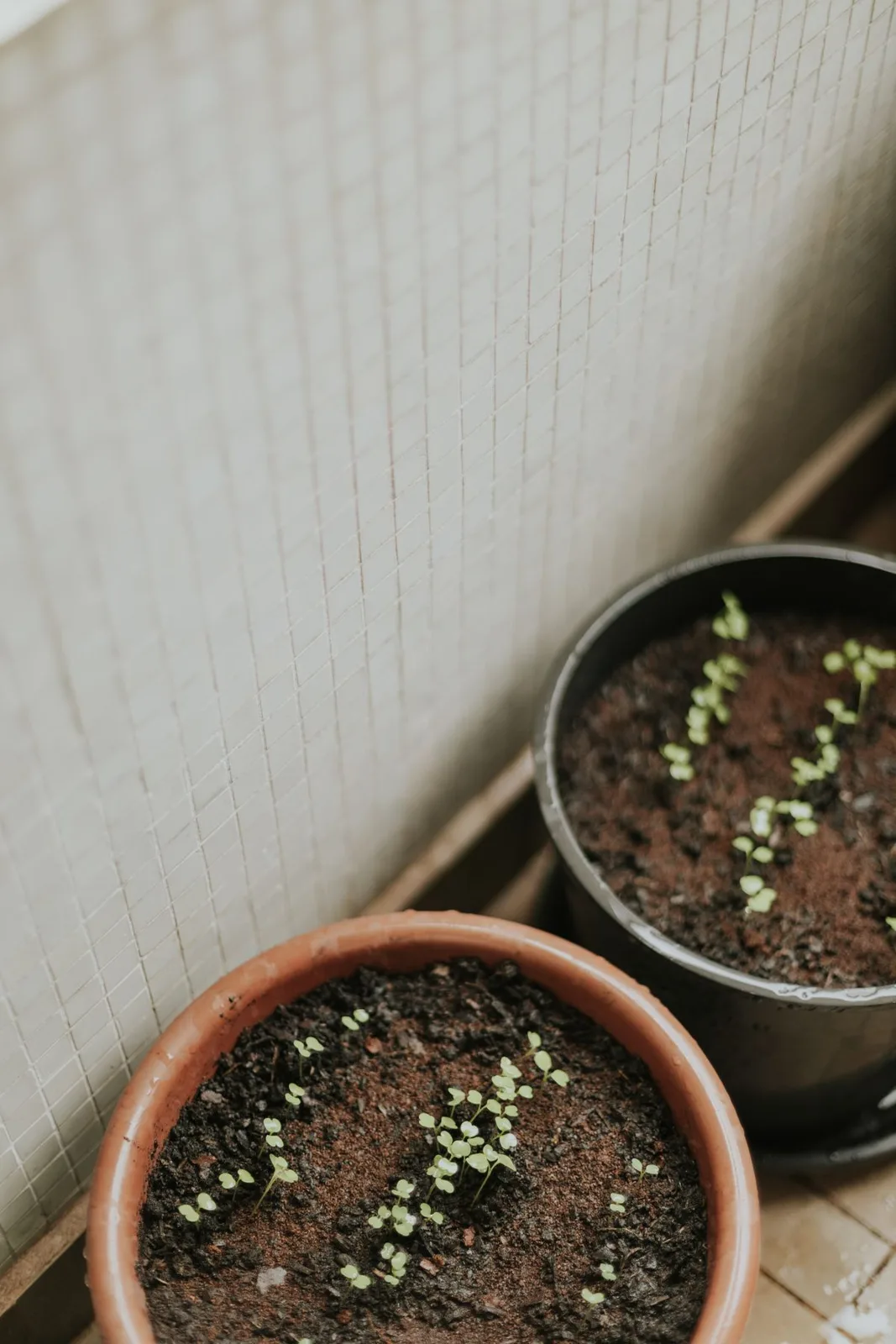
Read the guideStart a small windowsill growing project with suitable seeds, labelled pots and a simple observation routine that children can share without crowding the space.
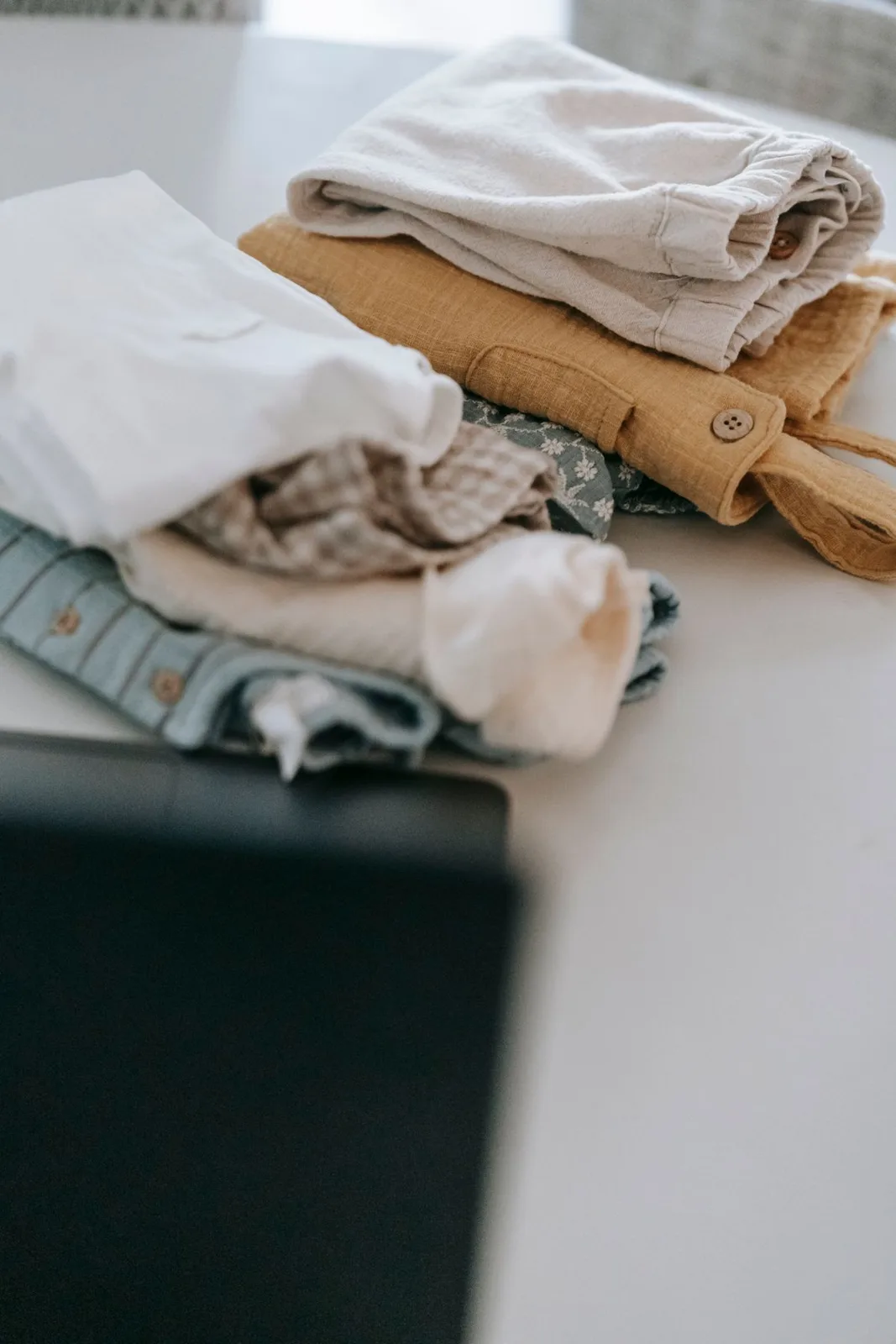
Read the guideSort hand-me-down clothes into the next useful size with condition checks, a small labelled collection and a review timed to actual family needs.
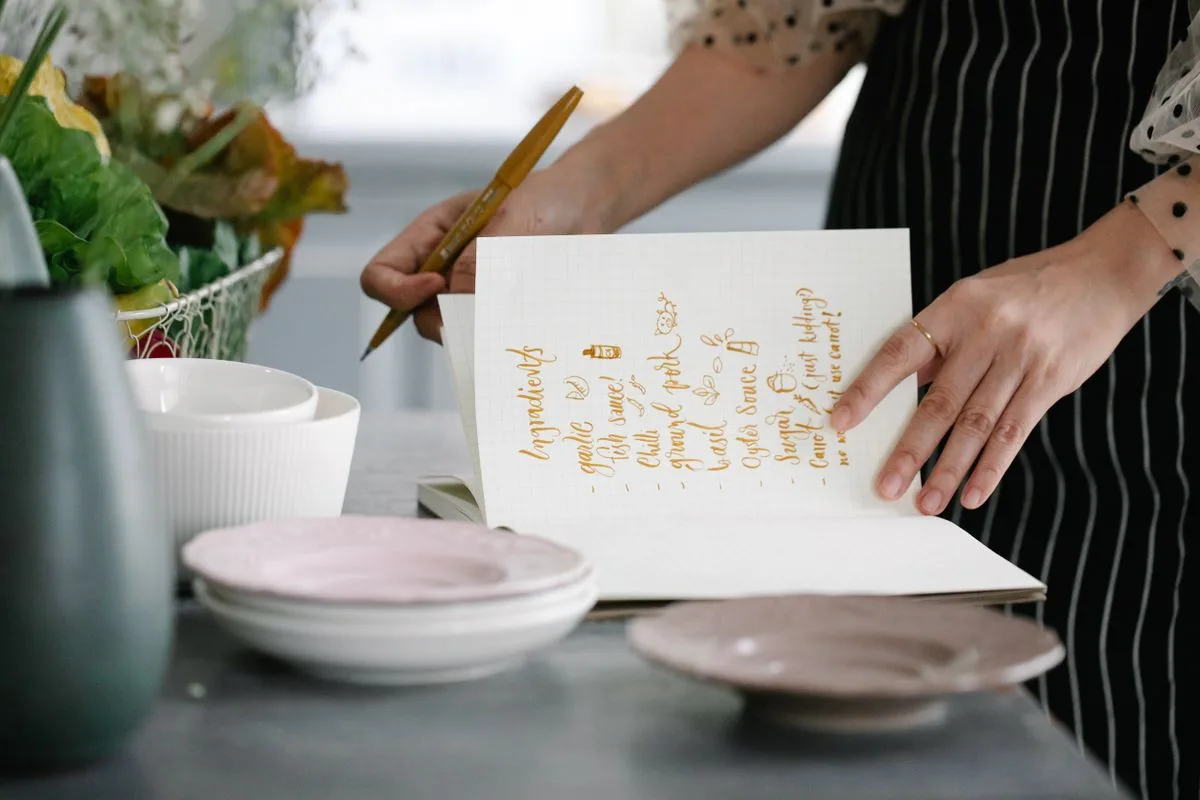
Read the guideCreate a small family recipe folder with reliable instructions, readable pages and manageable roles that let children help choose and prepare familiar dishes.
Read the guidePrepare a small welcome basket for a young overnight guest with familiar comforts, practical essentials and a clear explanation of where things belong.
Read the guideMake a manageable memory box for each child with their own choices, short context notes and a clear size limit that keeps treasured objects accessible.
Read the guideUse a shared table for both play and meals with a portable activity set, a home for unfinished work and a clearing routine that children can help complete.
Read the guideArrange a small toy swap with another household by checking complete sets, agreeing simple choices and giving children time to decide what they want to pass on.
Read the guideMake a family jigsaw practical on a shared table with a movable base, manageable piece sorting and a stopping method that protects the work already done.
Read the guideGive frequently misplaced household items a useful home by noticing where they travel, choosing one accessible landing place and testing whether things return.
Read the guideCreate a quiet corner children can choose with comfortable ordinary seating, a few calm activities and clear household boundaries that keep it inviting.
Read the guideMake a modest seasonal display together using suitable objects, one small surface and a short observation activity that leaves room for children’s own ideas.
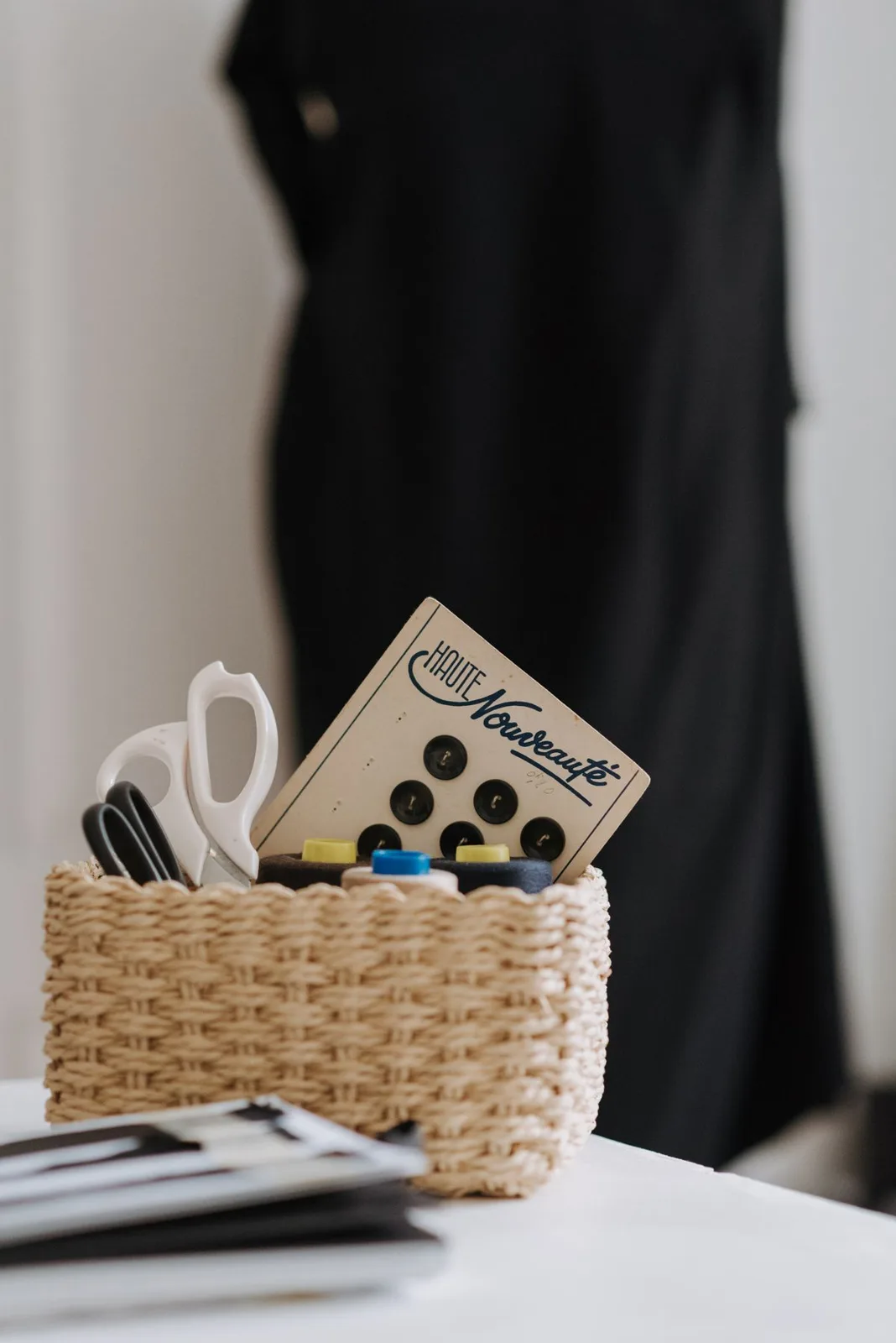
Read the guidePut together a small family repair basket for loose buttons, fabric tears and ordinary fixes, with clear adult tools and manageable jobs children can help identify.
Read the guideRework a weather-cancelled day around one familiar activity, ordinary meals and useful pauses, with room for children to help choose a manageable home plan.
Read the guide