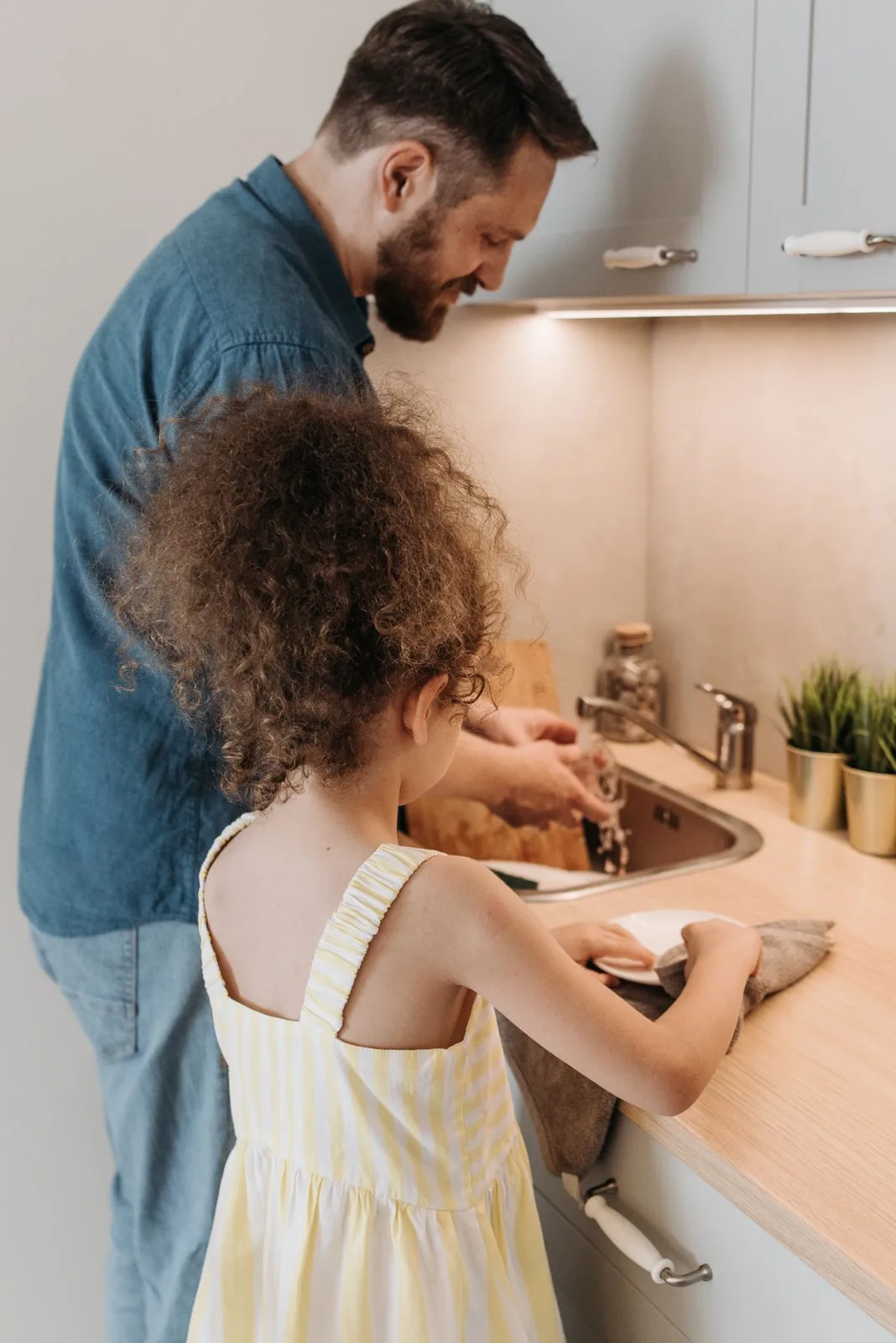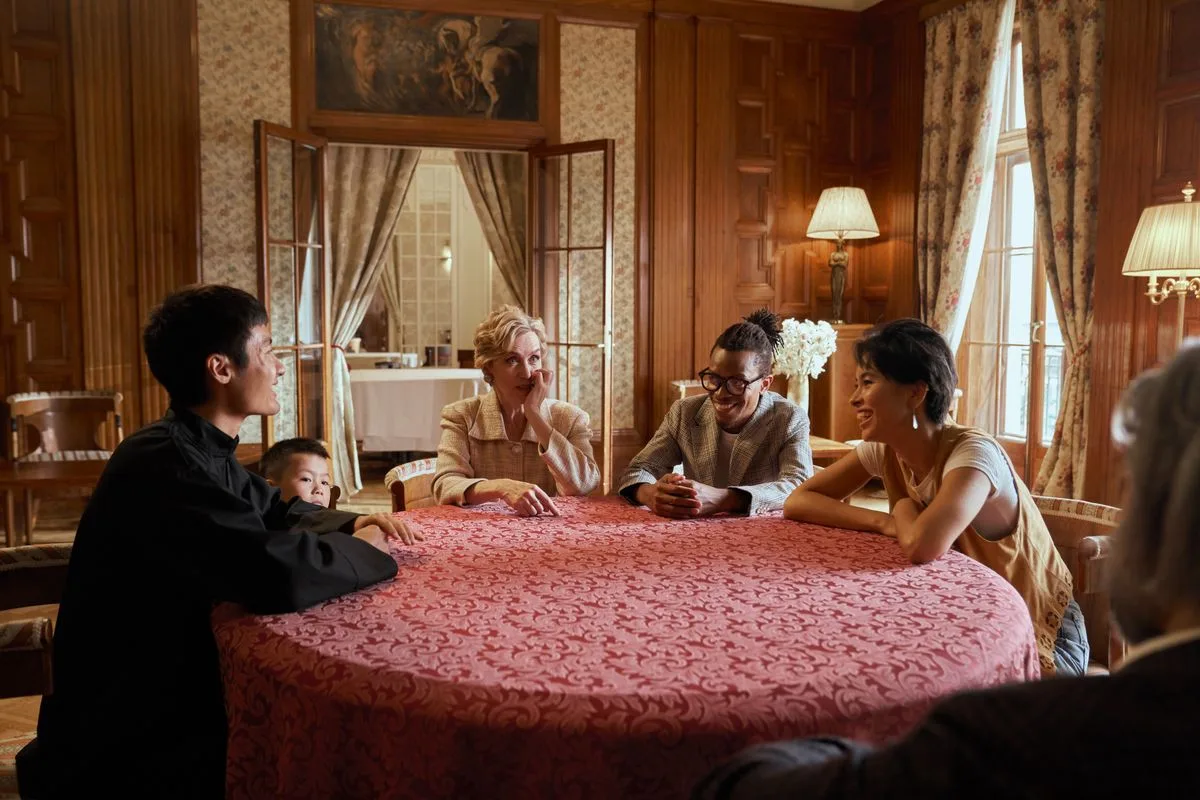
A family meeting is easier to understand when it has a small job. Choosing where library books should live is a more practical starting point than discussing everything that needs improving at home.
Pick a decision children can meaningfully influence. Adults should settle matters that require adult responsibility separately. The meeting should offer real choice within clear limits, so nobody is asked to vote on something that cannot happen.
Bring one question and its boundaries
Write the question on a scrap of paper: “Where shall we keep the games we use downstairs?” Show the space available and explain any firm constraints. A basket can fit beside the sofa; a large shelving unit cannot fit in the doorway.
If money, travel or timing matters, state that early. “We can choose a free activity for Saturday morning” gives children a workable brief.
Gather whatever helps make the choice concrete: two baskets, a photograph of a shelf or the actual games. Talking about visible objects is often easier than imagining an entire room.
Make it easy for everybody to contribute
Choose a moment when people have eaten and do not need to leave shortly. Sit where children can see the materials. There is no need for formal chairs, an agenda board or a special notebook.
Ask each person for one suggestion before the group begins judging ideas. A child who prefers drawing can sketch a choice. A younger child can point between two realistic options or place an object where they would like it to go.
Avoid requiring an explanation for every preference. “I can reach that basket” is useful, but a child may also need time to work out why something appeals.
Test ideas against the actual problem
Return to the question when the conversation drifts. A discussion about the games basket can become a plan to redecorate the room unless someone brings it back.
Try the suggestions physically. Can the youngest child lift the lid? Do the boxes fit without being forced? Is the basket still accessible when someone is sitting on the sofa?
You do not always need a majority vote. A trial can resolve a small practical disagreement: use the basket beside the chair this week, then notice whether people can find and return things.
Adults can explain why a proposed option will not work and offer the nearest feasible alternative. Keep the reason specific rather than describing the idea as silly.
Finish with a decision somebody can carry out
Say the result in one sentence: “For this week, the three small games live in the low basket beside the chair.” Name who will move them and when.
Let children help with a manageable part, such as carrying the boxes or making a label. Do not turn their suggestion into an unexpected large chore.
Keep any review equally small. Ask whether the chosen home made the games easier to use, then adjust if needed. There is no need to hold another meeting simply to prove the first one happened.
End while the original question still feels settled. A short, useful decision gives children a clearer reason to participate next time than a long conversation that creates several new promises.
Make it work for your family. Keep the useful bits and change the rest.