Picture clues let a child follow a treasure hunt before they can read a sentence. The trick is drawing recognisable locations, not clever riddles. A rough picture of the sofa is more useful than a beautifully drawn cushion that could belong anywhere in the house.
Begin with four clues and a modest finish, such as finding a favourite toy ready for a story. A long route is harder to prepare and easier to abandon halfway through.
Choose a route children can use
Select familiar places within one or two rooms: the sofa, a low bookshelf, a dining chair and a toy basket. Keep clues away from appliances, medicines, cleaning products, windows and places that invite climbing. Tell children the hunt stays in the agreed rooms.
Walk the route yourself before making the clues. Check that each destination has somewhere obvious to place a piece of paper. You should not need to move heavy furniture or open cupboards used for adult belongings.
For a shared hunt, choose places everybody can reach. The quickest child should not be the only person physically able to retrieve a clue.
Draw what makes each place distinctive
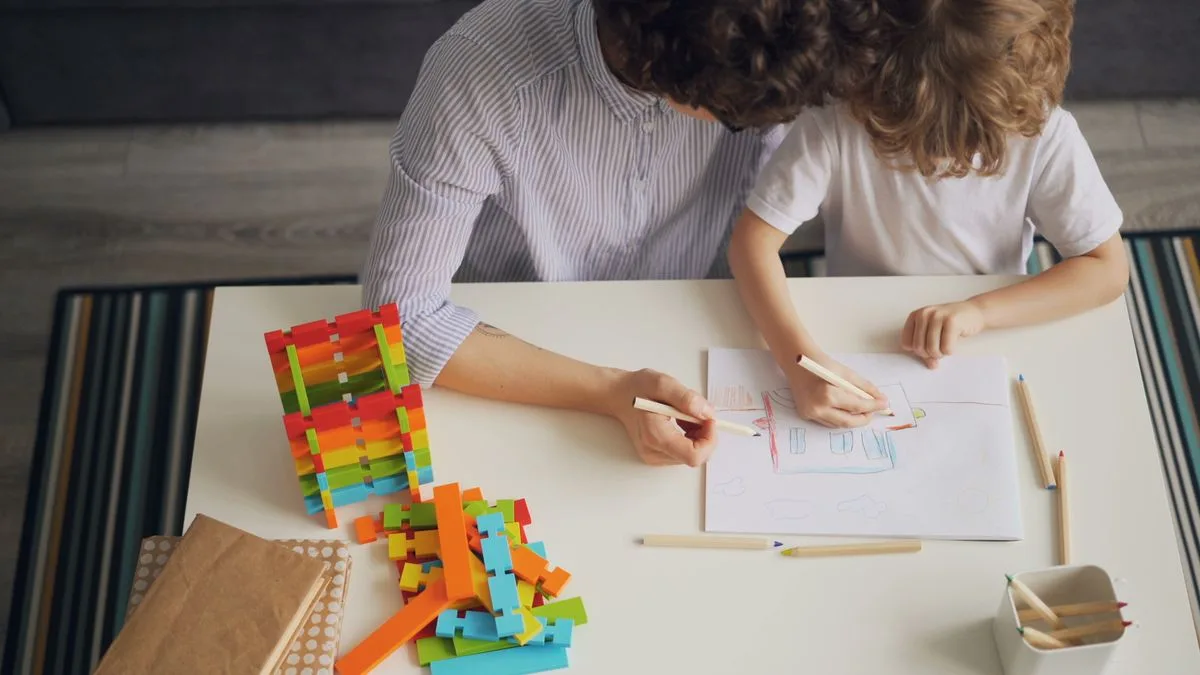
Use a thick pen on folded paper or card. Add the striped cushion to your sofa drawing or the round handle on a toy basket. These features help a child connect the sketch to a particular object.
Test the first drawing by showing it to your child before hiding anything. Ask what place it suggests. If they name somewhere else, change the picture instead of explaining why they should have recognised it.
An older child can have an extra clue detail, such as a drawn arrow showing the side of the chair. Keep written words optional so the pictures still do the main work.
Hide the next picture at each stop
Hold the first clue back to start the game. At its pictured destination, leave the second clue; at the second destination, leave the third. Place the final treasure at the location shown on the last picture.
Number the backs for your own reference. This makes it easier to fix a misplaced clue without interrupting play for a full search. Keep the papers visible enough to find after reaching the correct place. Understanding the picture is already the task.
Share the clue-solving jobs
With siblings, alternate the job of carrying and interpreting clues. You can ask one child to name the destination and another to lead the group there. If someone needs help, offer two possible places rather than immediately giving the answer.
Let children become the designers
Once the route is finished, collect every clue together. A child may enjoy making a two-stop hunt for an adult, using drawings or photographs of permitted locations. Check the proposed hiding places before anyone starts searching.
Store useful drawings in an envelope for another day, but change their order so the hunt remains interesting. A successful finish need not include a prize each time. Discovering a prepared game, a toy reunion or the next shared activity can be enough of an ending.
Make it work for your family. Keep the useful bits and change the rest.