One relative wants photographs in a group chat, another prints them, and somebody else likes posting celebrations online. A family photo can travel much farther than the person taking it expected.
Agree how your household wants to share photographs before the next birthday or outing. You do not need a complicated policy. A few specific decisions can make everyday sharing clearer for the adults involved and give children a meaningful part in the conversation.
Decide who the photograph is for
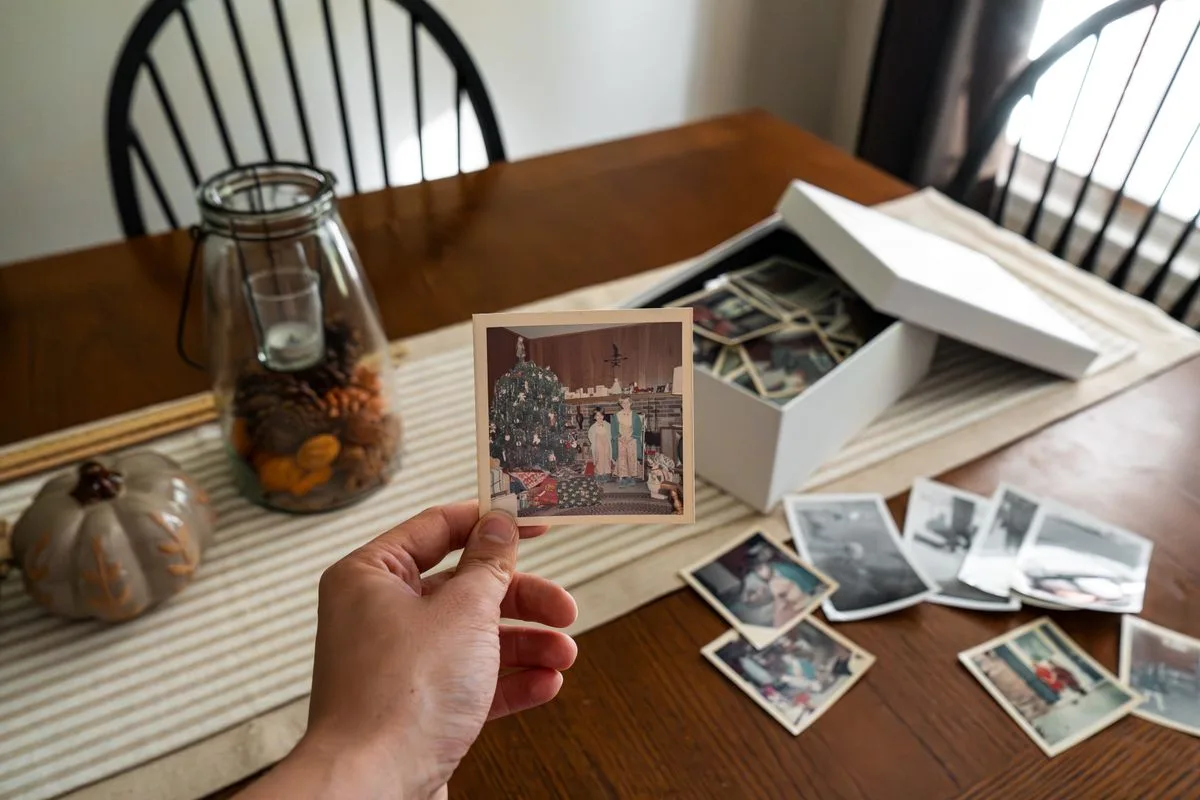
Separate keeping a photograph from sending or publishing it. A picture can stay in a private album even when it is not suitable for a wider audience.
Choose a small group of intended recipients for ordinary family updates. Check who is actually in an existing chat rather than assuming the membership has stayed the same.
Consider the information visible in the frame: a school badge, house number, name label or letter on the table. If you do not want that detail shared, choose another photograph or leave it in the private collection.
Ask children in language they understand
Show the actual image and describe the intended audience. “Shall we send this to Grandma?” is clearer than asking whether a child agrees to sharing without explaining what sharing means.
For a younger child, keep the choice immediate and concrete. Older children can compare a couple of pictures and say which, if any, they prefer you to use.
Respect a refusal rather than turning the request into persuasion. A child may dislike an ordinary expression or simply want to keep the moment private. Adults can set a conservative default for children too young to take part meaningfully.
Permission for one photograph is not a standing agreement for every future picture. Return to the question when the audience or purpose changes.
Make the arrangement clear to other adults
Tell relatives what you are comfortable receiving and what you do not want forwarded or posted. Use a direct request: “These are for our family chat; please ask before sharing elsewhere.”
If a photograph includes another household's children, check with their responsible adult before sharing it. At a party, you can send a picture of your own child without circulating every guest's face.
Discuss screenshots and onward sharing too. A small recipient list is an agreement about behaviour, not a guarantee that a file cannot be copied.
Keep the routine small enough to maintain
Choose a modest selection after an event rather than sending every similar image. Put the private originals in the storage place you normally use, and keep the shared selection distinct if that helps avoid mistakes.
Use the service's own guidance when changing sharing settings. Interfaces differ, so check who can access an album rather than relying on its title alone.
If somebody posts a picture outside the agreed audience, ask them clearly to remove it and explain the intended boundary. Avoid making the child responsible for resolving the adult disagreement.
Review the arrangement as children grow or family groups change. A workable approach leaves room for a photograph to remain a private memory.
Make it work for your family. Keep the useful bits and change the rest.