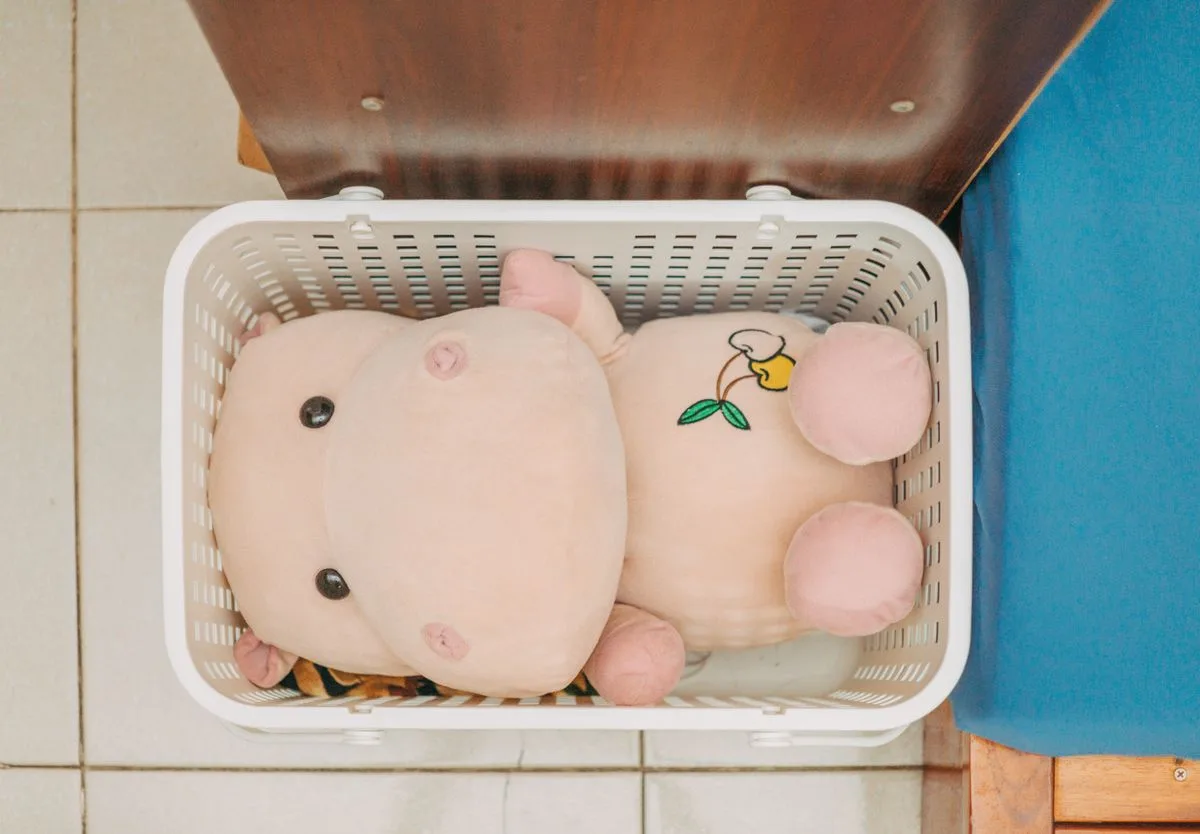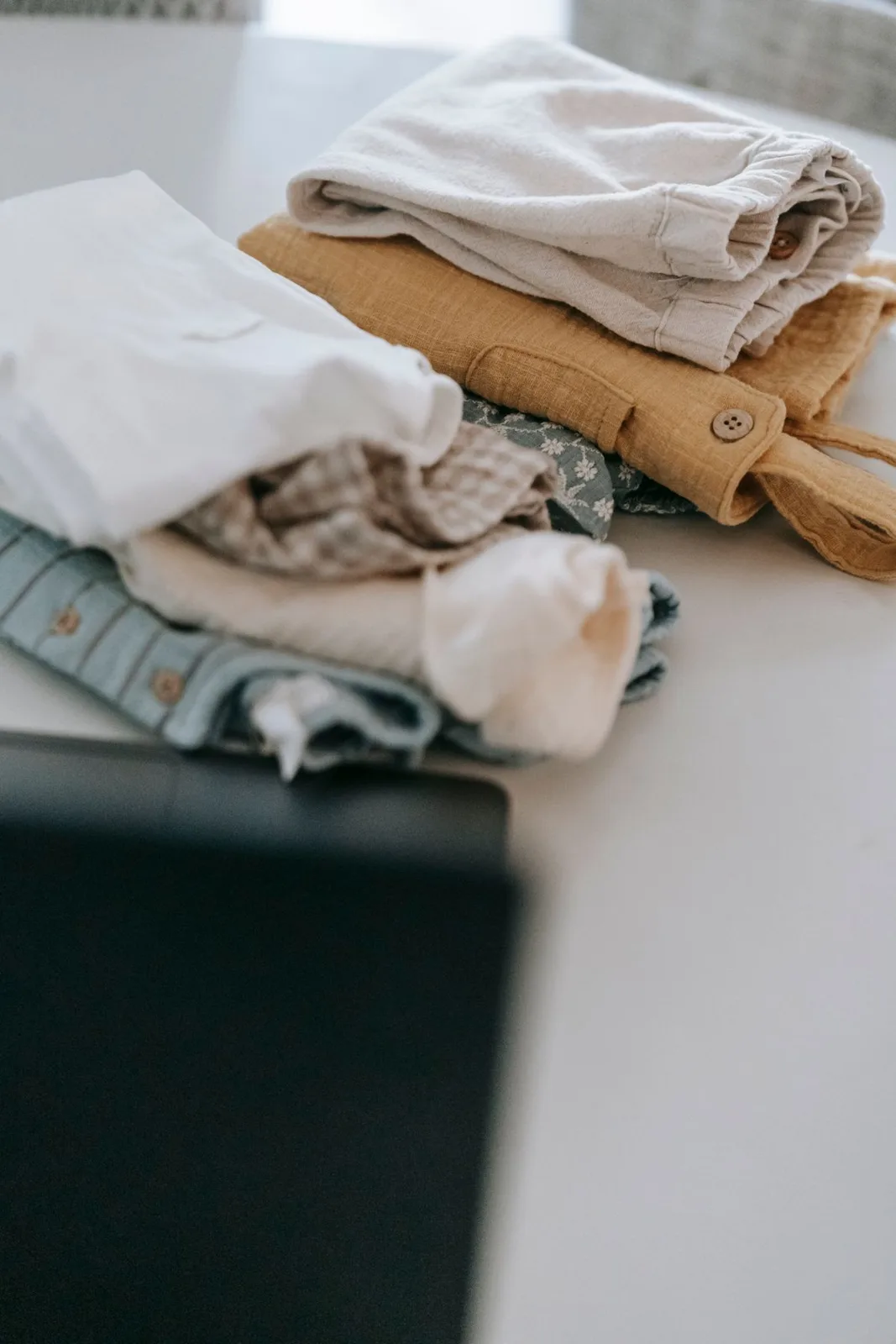
Hand-me-down clothes are useful when you can find them at the moment they might fit. A large bag labelled “For later” can contain several sizes, different seasons and items nobody remembers.
Start with the next likely size rather than sorting every future outfit at once. That gives you a practical collection to check against the child's current clothes.
Sort by usefulness before the number on the label
Lay out one manageable batch and check condition. Look for worn fastenings, missing parts and stains you want to address before storage.
Sizes vary between garments, so use the label as a starting point. Compare uncertain pieces with something the child currently wears, and keep them in a “Check fit” group rather than confidently filing them several years ahead.
Consider season and purpose too. A winter coat may need checking earlier than a summer shirt in the same labelled size.
Let an older child say which pieces they would like to try. Younger children can choose between a small number of suitable options without being asked to inspect the whole collection.
Make one next-size collection
Put the most immediately useful items together: a few tops, bottoms or layers appropriate to the likely season. Keep the quantity proportionate to your storage and the clothes already available.
Use an existing container or shelf. Label it with the expected size and a brief note about the contents, such as “Next: trousers and warm tops”.
Avoid storing things tightly enough that they are difficult to inspect or become forgotten behind other bags. Clothes should be clean and fully dry before being put away.
If several children use the same storage area, include a name or clear symbol. A size number alone may not explain who the collection is intended for.
Give uncertain items their own small decision point
Keep a short “Needs attention” group for repairs or washing, with the next action written down. Do not mix these pieces into ready-to-wear clothes.
For clothes unlikely to suit your household, decide whether they can be offered elsewhere. Do not pass on damaged items without explaining their condition.
If something has sentimental value, move it to the memory collection rather than pretending it is waiting to be worn. That preserves the reason for keeping it without confusing practical storage.
Set a limit on unresolved items. A repair pile that grows indefinitely may need a smaller selection, not a larger box.
Review when the child needs clothes
Check the collection when trousers become short, a season changes or you are preparing for a new term. Try likely pieces before buying replacements.
Children can help identify comfortable favourites, but adults should assess fit and suitability for the intended use.
Move useful clothes into the active wardrobe and update the container label. Remove empty packaging so the storage still reflects what is there.
End with a brief list of actual gaps, if any. The point of the system is making existing clothes available at the right time, rather than building a perfect archive of everything a child might eventually wear.
Make it work for your family. Keep the useful bits and change the rest.