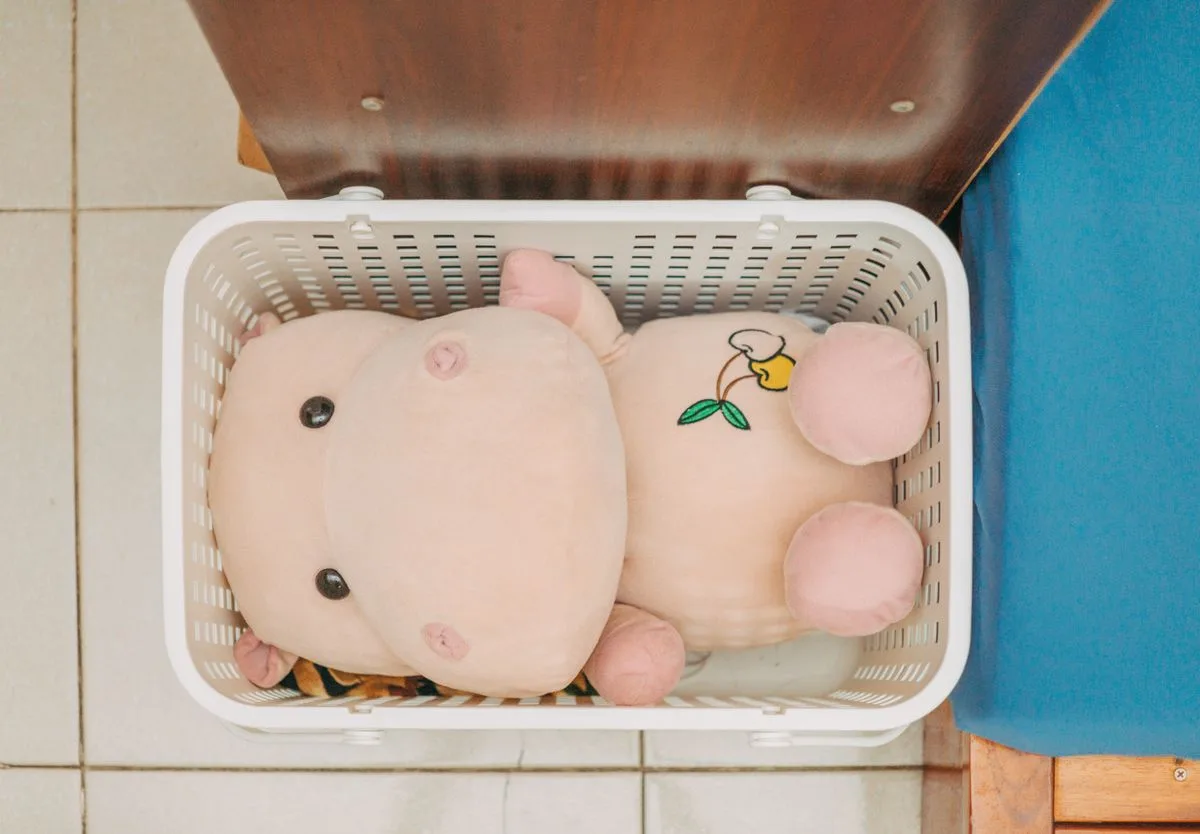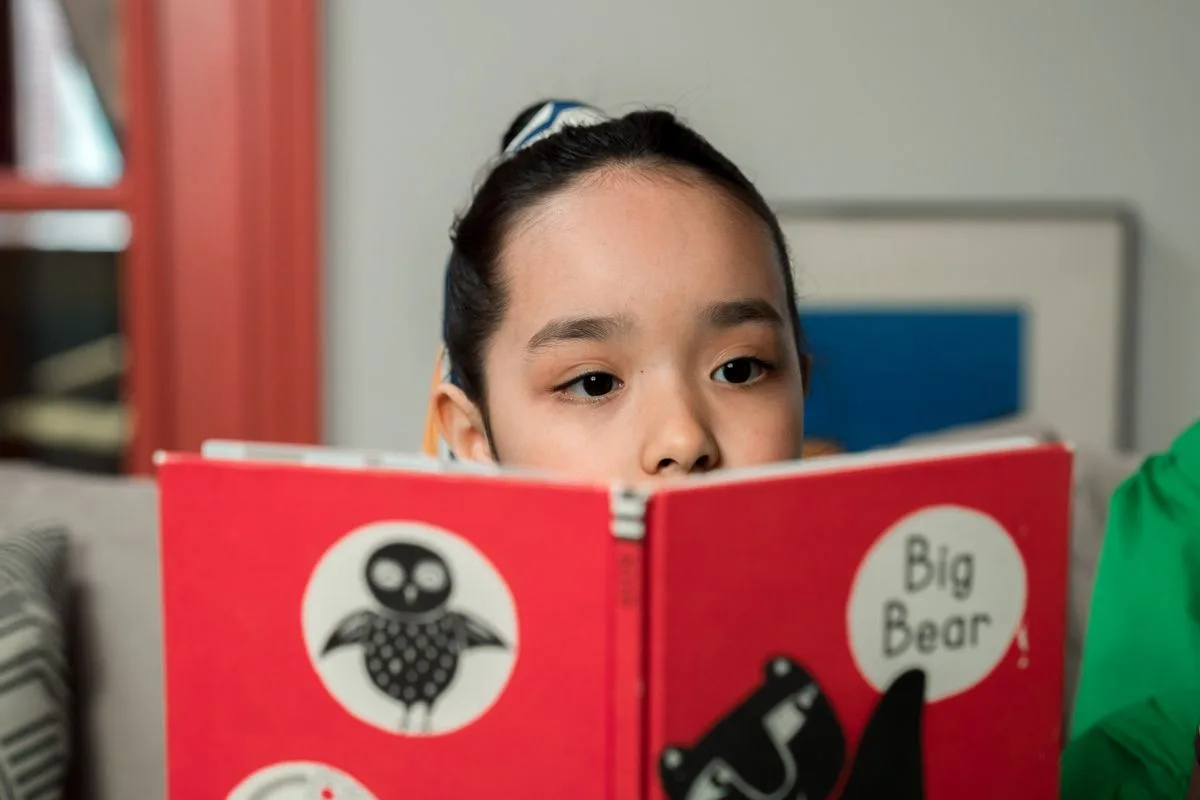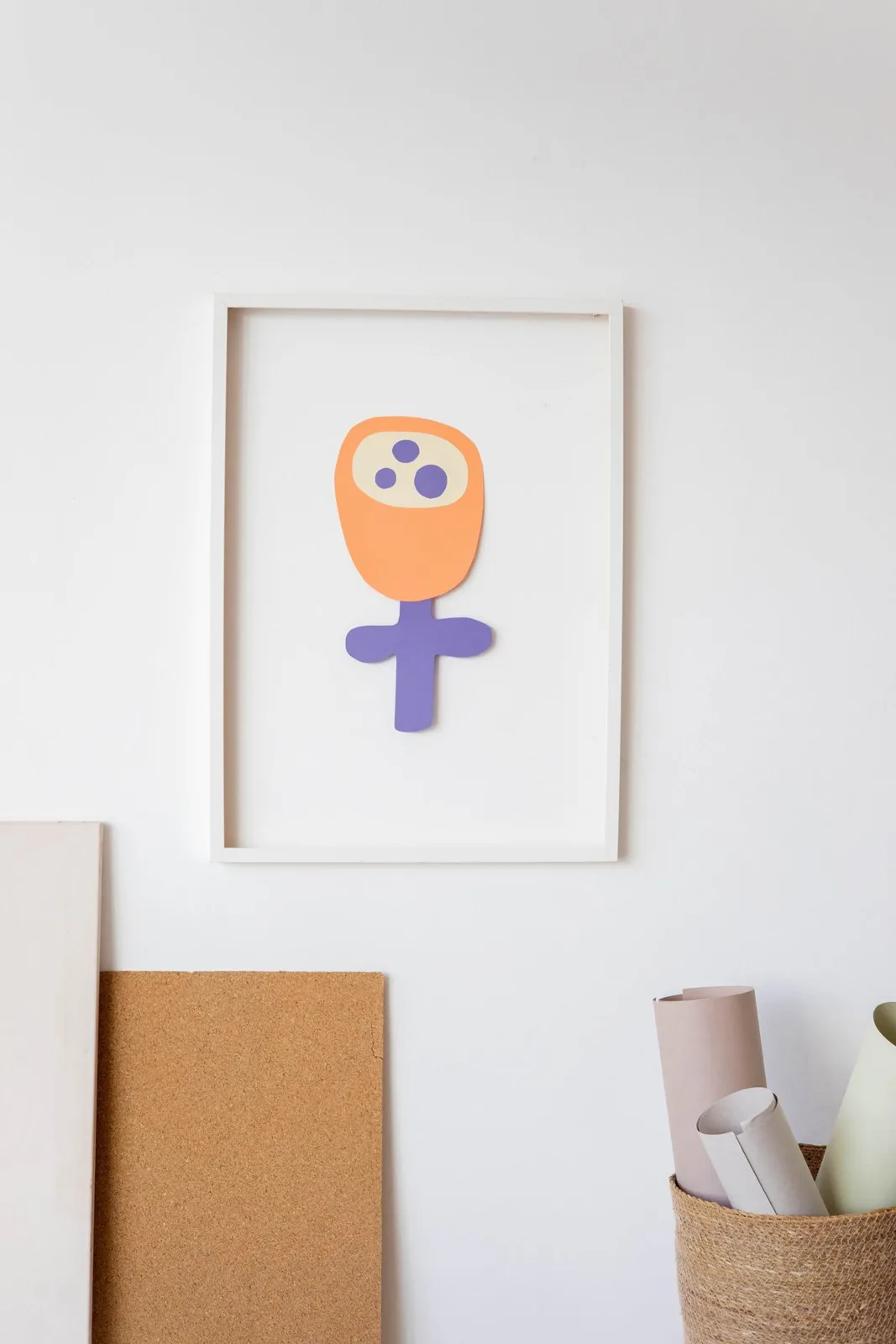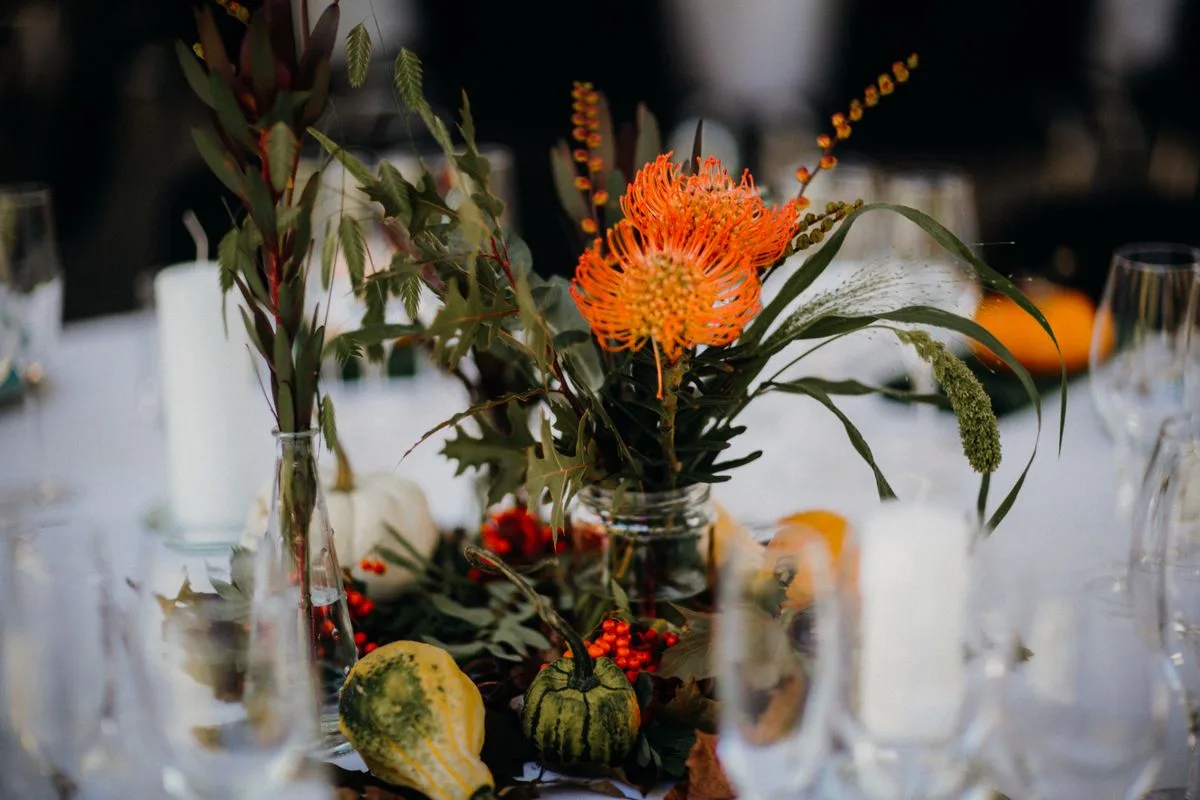
A seasonal display can begin with noticing something outside the window: a tree changing colour, new flowers or the light arriving later in the morning. You do not need a box of decorations for each season.
Choose one small surface and a theme the children can recognise. The display might hold drawings, a familiar photograph and one suitable object, rather than a collection gathered from everywhere.
Decide what you are noticing
Ask a concrete question: what looks different on our usual walk, or what colours are appearing in the garden? Let children name what they have actually seen.
A younger child may notice one bright leaf. An older child might compare the same tree across several weeks or draw changes from memory.
Avoid turning the display into a lesson with a correct seasonal picture. Local conditions vary, and children's observations can be more interesting than a standard set of colours.
Pick a theme small enough to complete today. “Yellow things we noticed” gives a clearer starting point than representing an entire season.
Choose materials that suit the household
Use drawings or photographs when collecting is unsuitable. Do not take plants or objects from places where collection is prohibited, and leave living things and habitats undisturbed.
Adults should choose any natural materials, checking that they are suitable for the children and pets in the home. Avoid unidentified plants, berries or anything children might put in their mouths.
If you use flowers, select a stable container and an appropriate position. An adult can handle cutting stems, water and any arrangement involving tools.
Keep materials away from food preparation areas and places where water could damage books or electronics. A paper display may be the most practical choice in a small room.
Arrange one clear area together
Set a boundary, such as a tray or a small section of a shelf. Let children choose the arrangement within it.
A younger child can place a drawing; an older child might write a short caption about where something was noticed. The words can be their own rather than a polished adult description.
Leave room between items. A small display becomes difficult to recognise when every new object is added on top of the previous one.
If siblings have different ideas, give each a small part of the area or combine their work around the shared observation. They do not need matching contributions.
Check what happens to the display afterwards
Name a moment to revisit it, perhaps after the next walk or at the end of the week. Look for a new observation rather than automatically adding more objects.
Remove deteriorating materials promptly and dispose of them appropriately. Clean and dry the surface before returning other household items.
Children can choose one drawing to keep or photograph the temporary arrangement. Not every display needs to become a permanent keepsake.
Put reusable containers back in their usual homes. The project is complete when the family has noticed something together and the small display can change without creating another long-term storage task.
Make it work for your family. Keep the useful bits and change the rest.