Some objects seem to travel endlessly between rooms: a hairbrush, a library book, a cardigan or the notebook somebody was using yesterday. A home for these items needs to fit their actual use, not just an empty space in a cupboard.
Choose one small group to investigate. Trying to solve every wandering object at once can produce a collection of baskets without changing the search.
Notice where the item is needed
Follow one object through an ordinary day. A hairbrush might be used near the hall mirror even though its official home is upstairs.
Ask the people who use it where they first look. That tells you whether the present storage place matches the household's habits.
Write a short description of the problem: “Brush left on the stairs after mornings” is more useful than “Everybody is messy”.
Decide whether it needs storage or a return route
An object used mainly in one place may need a nearby home. Something borrowed from another room may instead need a predictable route back.
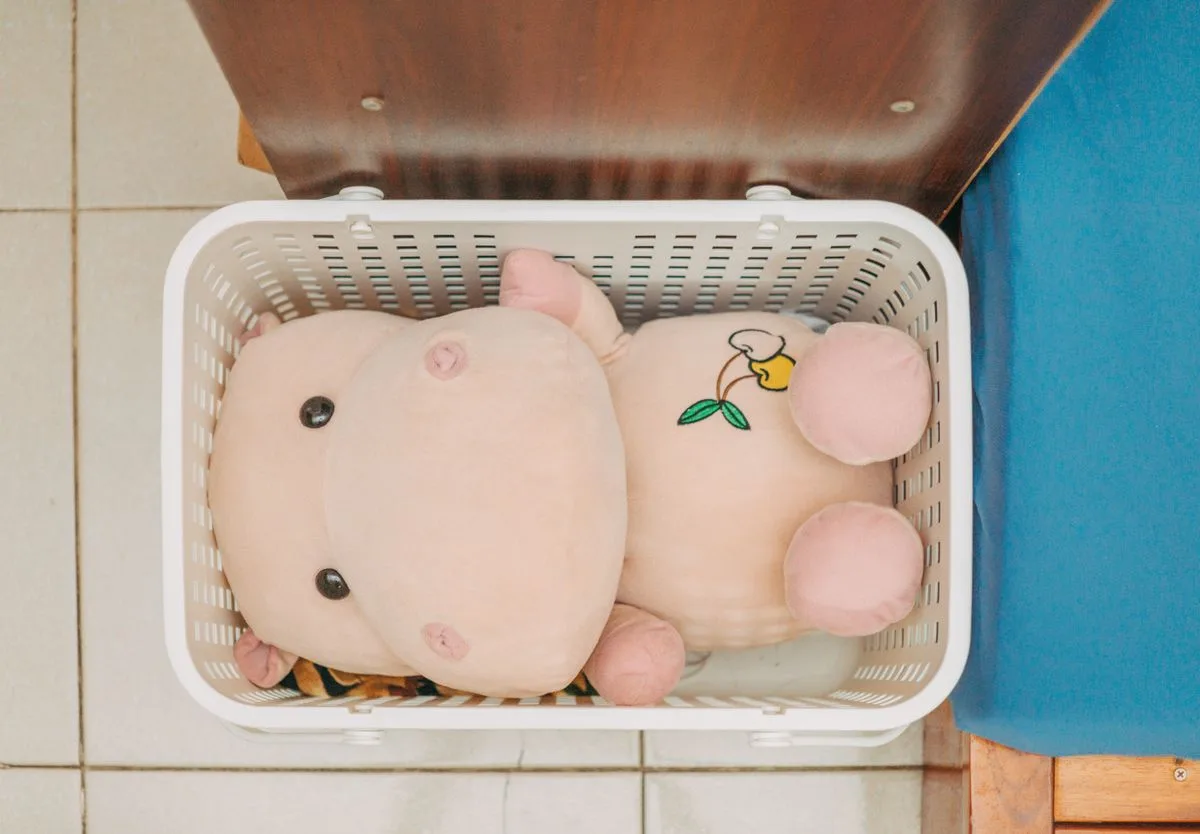
For example, library books could live together near the reading chair, while clothes taken downstairs can go in a small return basket before bedtime.
Avoid creating permanent downstairs storage for every object that occasionally arrives there. That can make the original storage harder to understand.
Choose one reachable landing place
Use an existing drawer, hook or small container. It should be easy to reach without moving several other things.
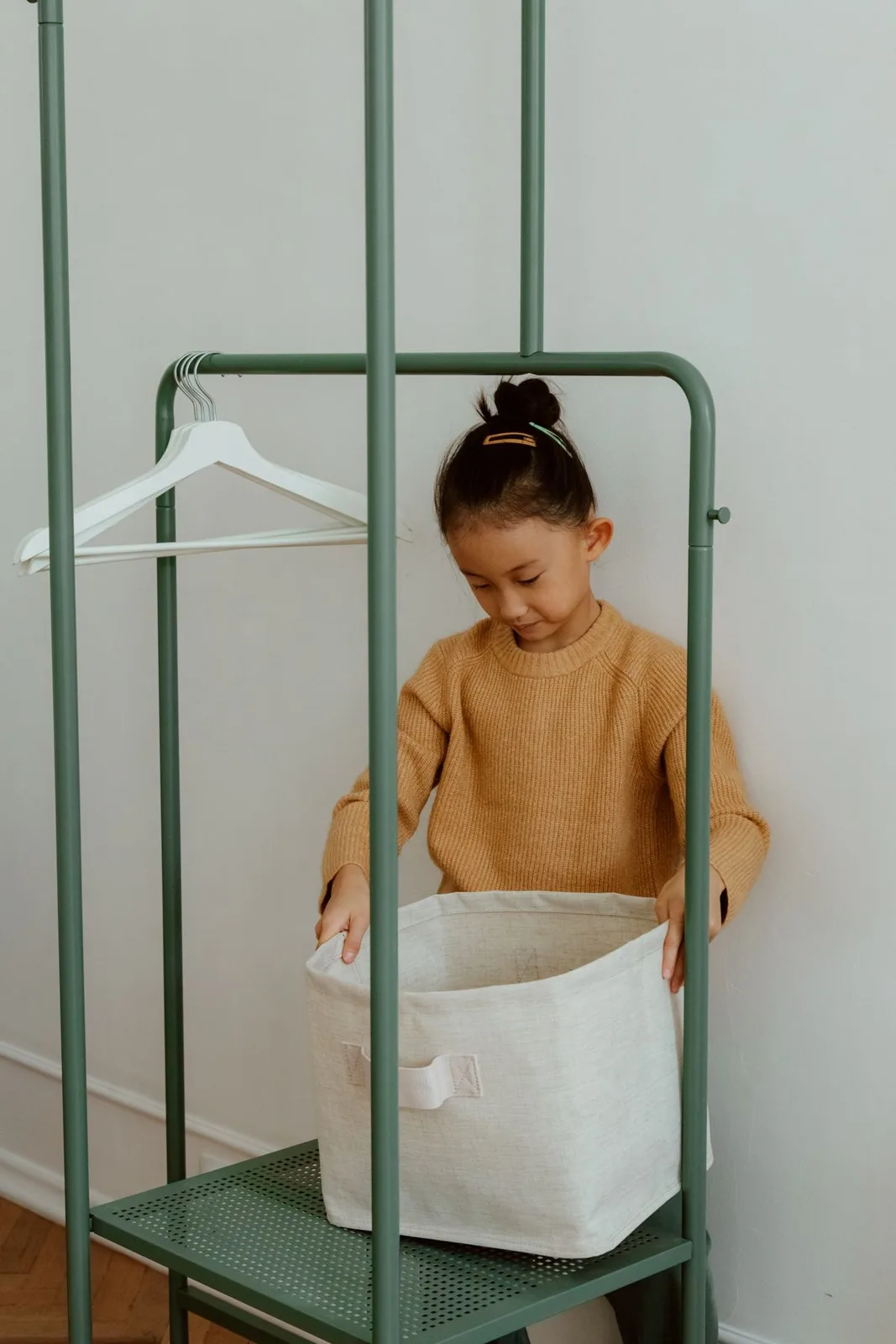
For younger children, a simple visible place may be easier than a deep cupboard. Older children can help choose a label or check whether the proposed home fits the item.
Keep unsuitable materials and items requiring adult control securely stored. Accessibility should match the object and the child using it.
A landing place needs a limit. One basket for things going upstairs is different from an indefinitely growing collection of unrelated possessions.
Practise the return during a real routine
Show the new home when the item is actually being used. “The brush goes in this drawer after hair is done” links the place to a recognisable finish.
Children can help with a specific return job. Carrying their cardigan upstairs is clearer than being told to restore everything in the room.
If several people use an item, check that they know the arrangement. A new label does not automatically reach someone who was out when it appeared.
Review the place before adding another rule
After a few days, notice what happens. If the item still lands elsewhere, the new home may be awkward, crowded or too far from the point of use.
Change that detail first. A wider drawer space or an uncovered basket may help more than repeated reminders.
Empty a return basket regularly so it remains a route rather than another storage pile. Give it a simple moment, such as before going upstairs in the evening.
Finish with one object easier to find. Solving a small recurring search gives you useful evidence for the next wandering item.
Make it work for your family. Keep the useful bits and change the rest.