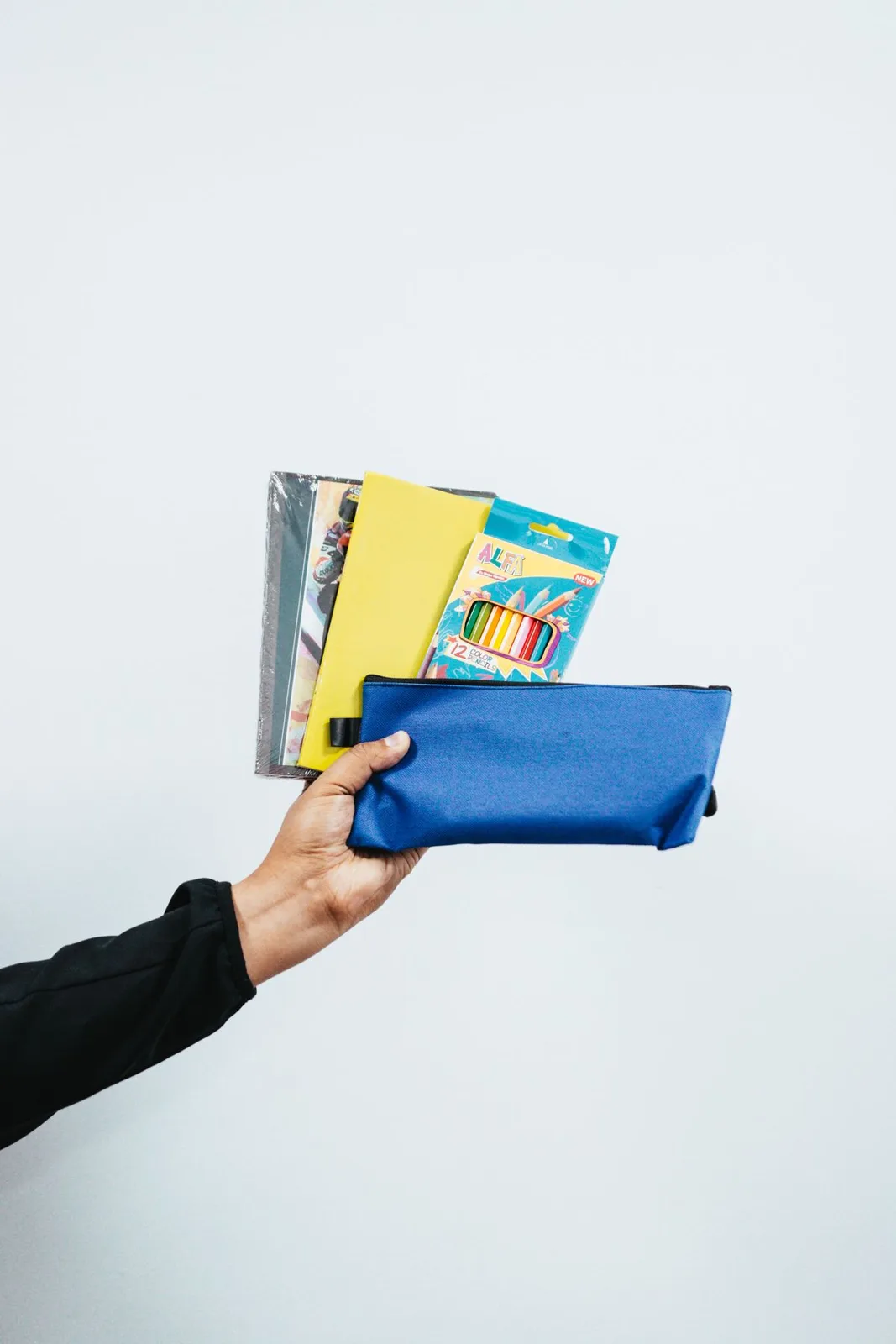
Preparing for a new term can stretch from finding a cardigan to completing a form hidden in an email. Start by making the actual requirements visible. Buying supplies before checking the school's list can create more sorting rather than solve it.
Use one sheet for the preparation and one clear place for the items. Children can participate in manageable decisions, while adults check the official instructions and anything involving school arrangements.
Check what has changed
Read the current school messages for clothing, equipment, start times and return arrangements. Do not assume the previous term's details still apply.
Separate requirements from optional extras. A requested named water bottle belongs on the list; a new pencil case may not be necessary if the existing one works.
Record deadlines beside forms or payments. Where a message is unclear, ask the school rather than filling the gap with a remembered instruction from another family.
Include practical transitions, such as a different classroom entrance or a new club collection point. These need attention even though they do not appear on a shopping list.
Take stock in one small session
Gather the things already used for school: bags, coats, shoes, lunch containers and any required kit. Check their condition and fit before deciding what needs replacing.
Let a younger child try closing a bag or putting on a coat. An older child can inspect their supplies against the list and identify what is missing.
Sort items into ready, needs attention and replace. A loose label or washable lunch bag is a different job from buying a new one.
Keep the session bounded. You are preparing for school, not reorganising every cupboard. Put unrelated items back in their usual homes and return to the specific list.
Divide complete tasks between available adults
Assign jobs with a clear finish: check and label the PE kit, complete and submit the form, or wash and reassemble lunch containers. “Help with school stuff” is too vague to show what remains.
Ask each person to confirm what they can take on. If a relative is helping, give them the actual requirements and any needed information.
For a single adult managing preparation, sequence the tasks instead. Do jobs with external deadlines first, then repairs or shopping, then packing. Remove optional extras when time is limited.
Keep a visible note of unresolved questions so they do not become repeated reminders sent to everybody.
Rehearse the ordinary first morning
Put ready items where they will be used. Check that the child can reach their coat and identify their own bag.
Talk through the first day's sequence briefly. Younger children may use a few pictures; older children can explain what they will do when they arrive.
Avoid changing several household routines at the same time unless necessary. Familiar breakfast and leaving arrangements can provide a useful framework around the new term.
On the final evening, check the current list once, pack what is needed and stop. A modest, complete preparation is more useful than an elaborate set-up that leaves everyone tired before the term starts.
Make it work for your family. Keep the useful bits and change the rest.