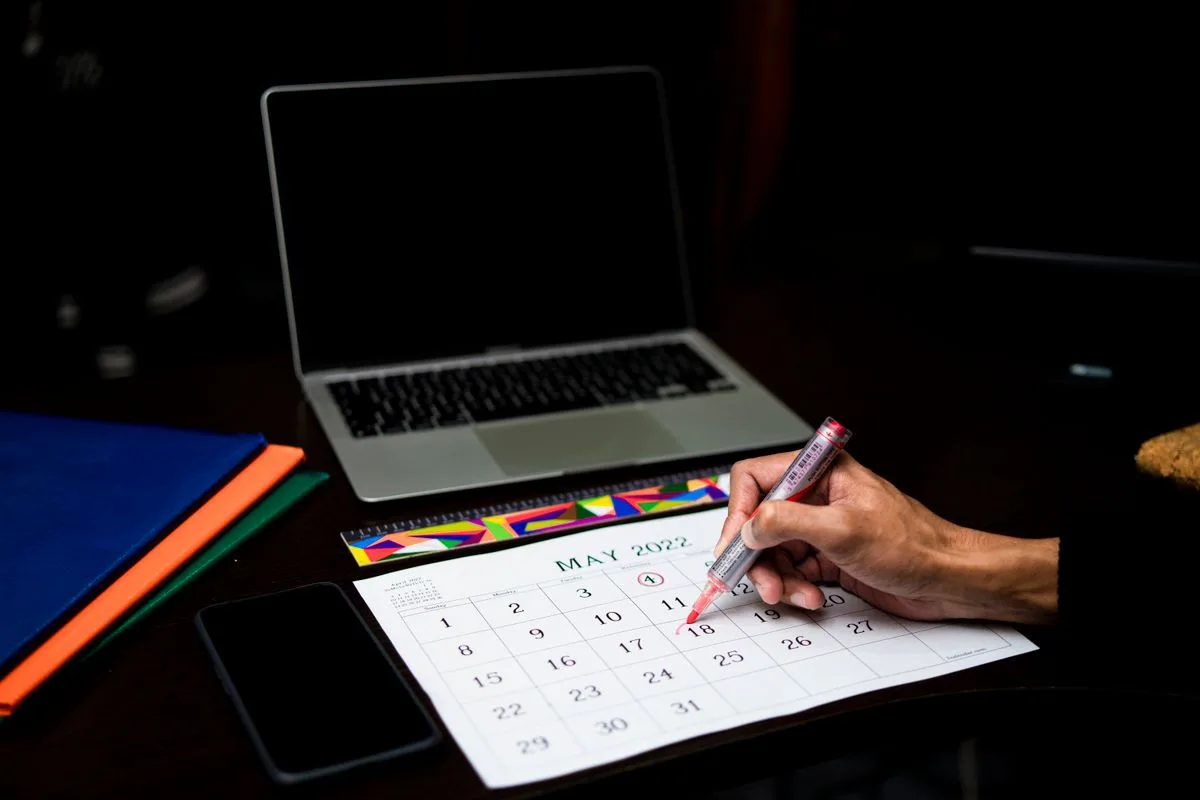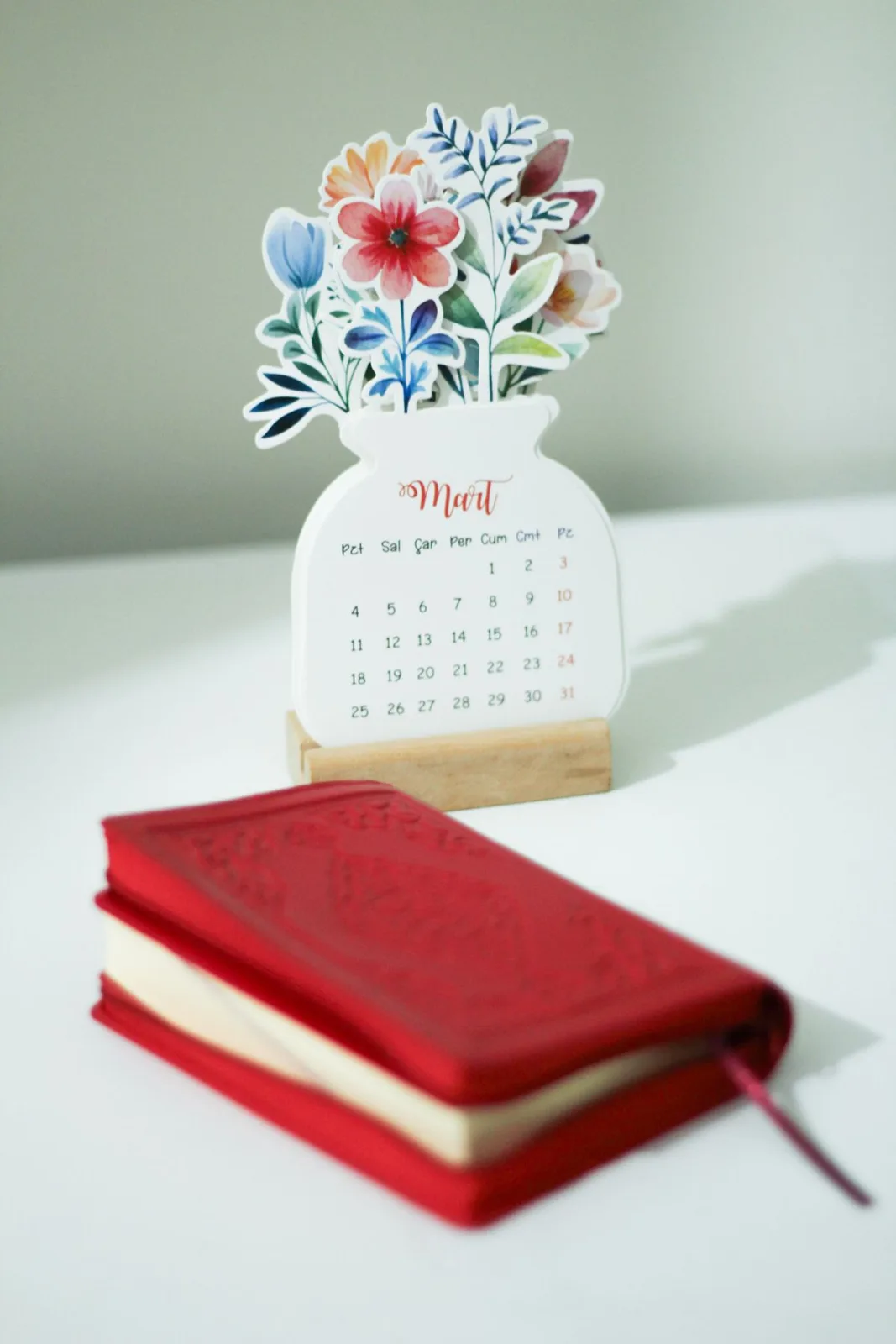
A school calendar holds dates. A school-week guide explains how the ordinary week works: which bag goes on Tuesday, where Thursday collection happens and when a library book needs returning. Keeping those two jobs distinct makes both easier to use.
Create a single page that someone unfamiliar with the routine could follow. It can help a relative covering collection, a child packing independently or you checking the next morning during a busy evening.
Start with the dependable weekly pattern
Draw five weekday columns or use a plain list. Add the normal start and collection arrangements, then regular clubs and equipment. Use the school's actual instructions rather than relying on last term's routine.
Write the complete practical detail where it matters. “PE” may be enough for a child who recognises the kit, but a covering adult may need “Wear PE clothes to school; trainers by the door”.
Avoid copying everything from the school website. Include the information that changes an action at home. A shorter guide is easier to keep accurate.
Show children the version they can use
For a younger child, pair a simple word with a recognisable drawing: book, swimming bag or musical instrument. Keep symbols consistent across the page.
An older child can help choose the labels and check that the guide makes sense. Ask them to describe Wednesday using the page rather than testing whether they have memorised it.
Keep adult contact numbers and other private care details in a separate accessible place. The child's guide can show who is collecting without displaying information everybody entering the home can read.
Where children attend different schools, give each child their own row or clearly marked section. Colour can help, but names or symbols make the guide usable without remembering a colour code.
Add a clear place for exceptions
Use a small strip labelled “This week” for a trip, early finish or cancelled club. Include the date, because an undated note can linger until somebody mistakes it for a new instruction.
When an exception changes collection, name the agreed adult and confirm the arrangement directly with them. Writing their name on the sheet does not establish that they have accepted the job.
Avoid rewriting the permanent pattern for a one-off event. That can make the following week confusing. Remove the exception once it has passed and return to the normal guide.
Give the page a maintenance habit
Check the next week at a moment you already use for family planning. Compare unusual entries with the original school message, then check bags or supplies that need preparation.
At the start of a new term, review the standing arrangements. A club's changed finish time can remain wrong for weeks if everyone assumes the old sheet is still current.
Store the guide where it is useful: near the school bags, inside a cupboard door or as a pinned shared note. Keep one current version and make any replacement easy to identify.
The page has done its job when someone can answer an everyday question from it quickly. Add detail only when a real question shows that something important is missing.
Make it work for your family. Keep the useful bits and change the rest.