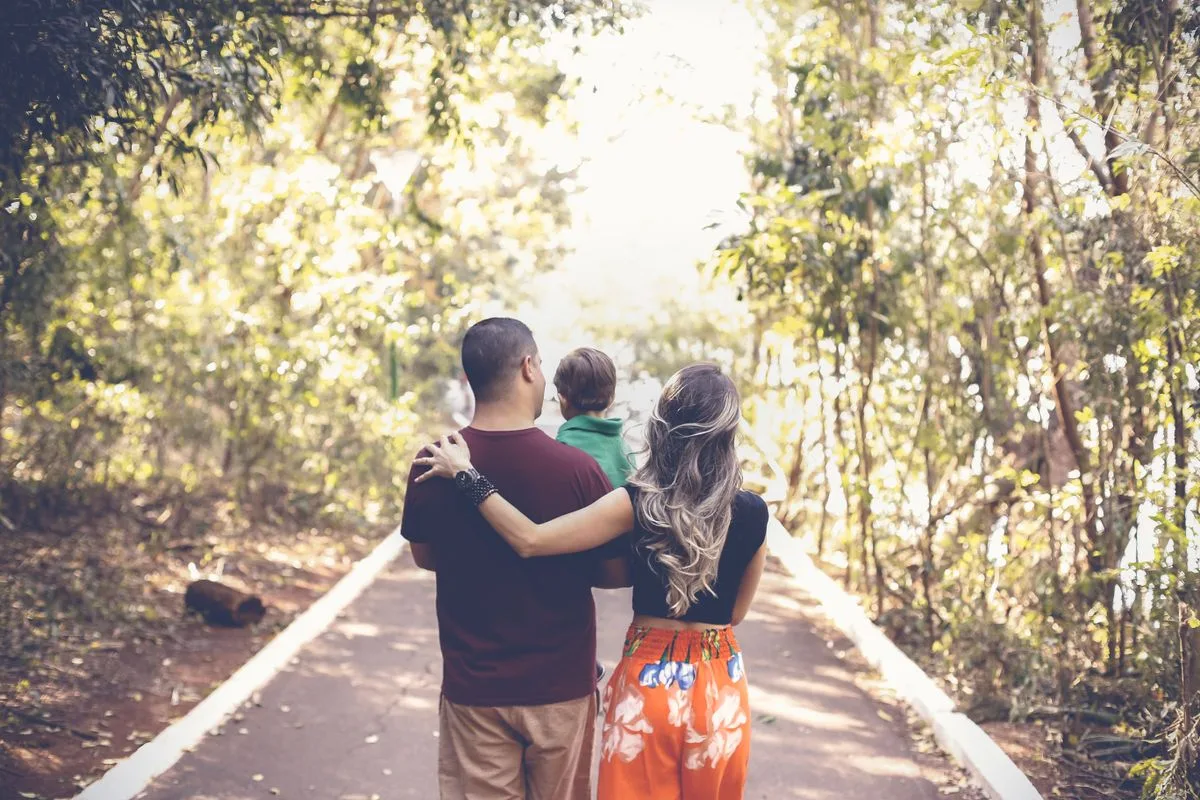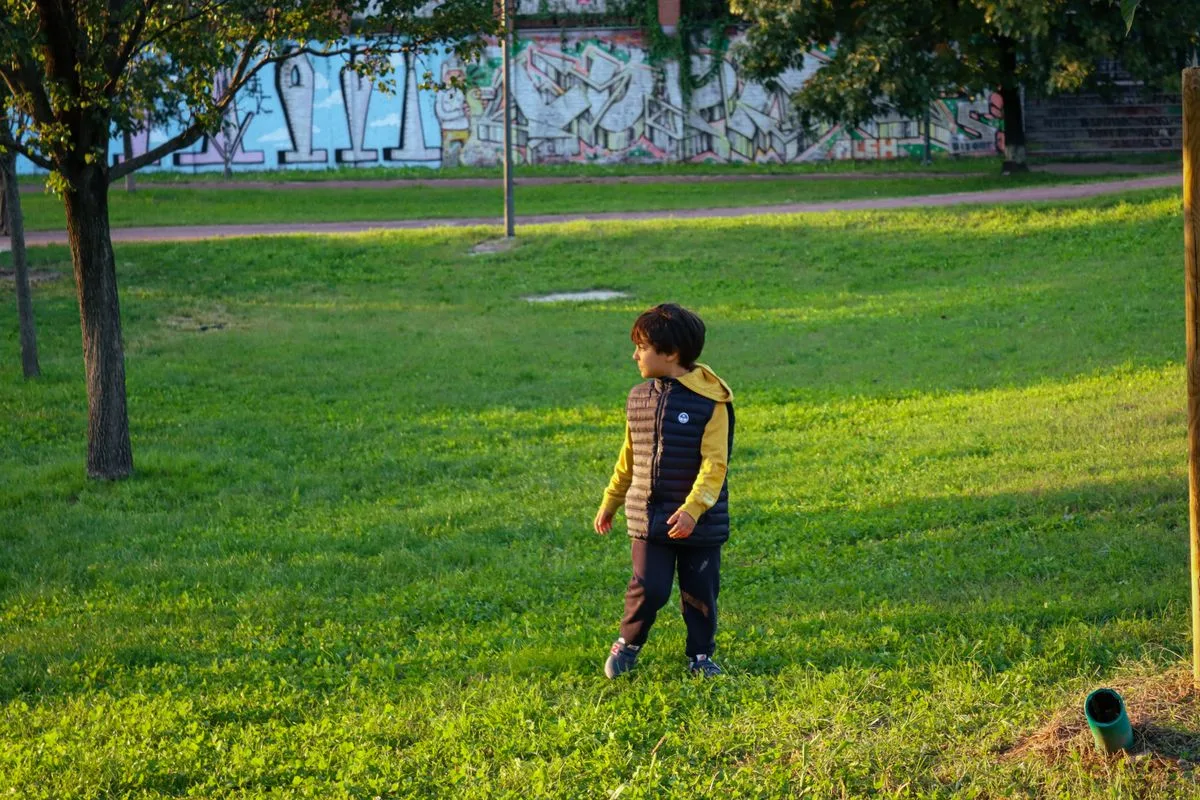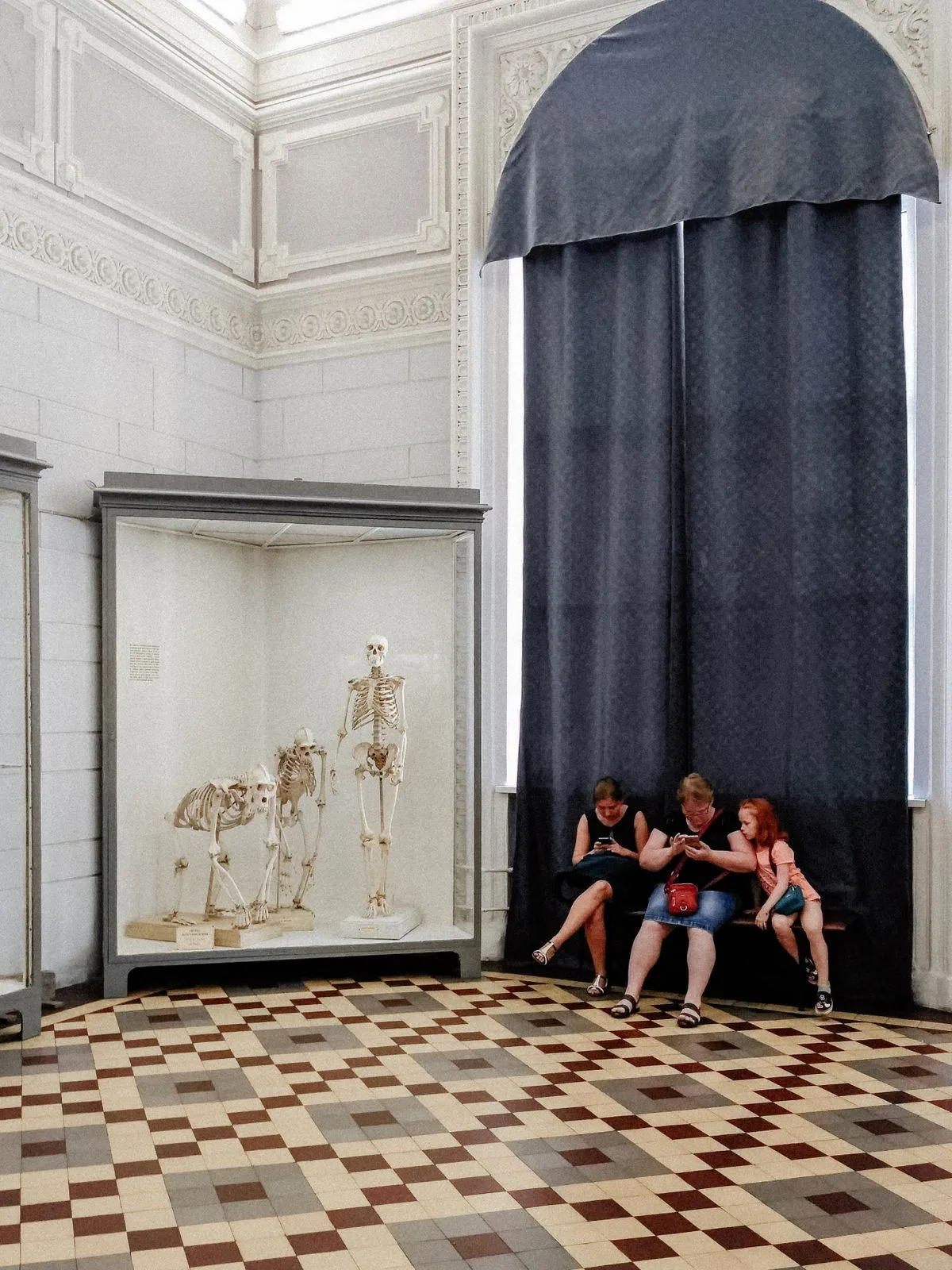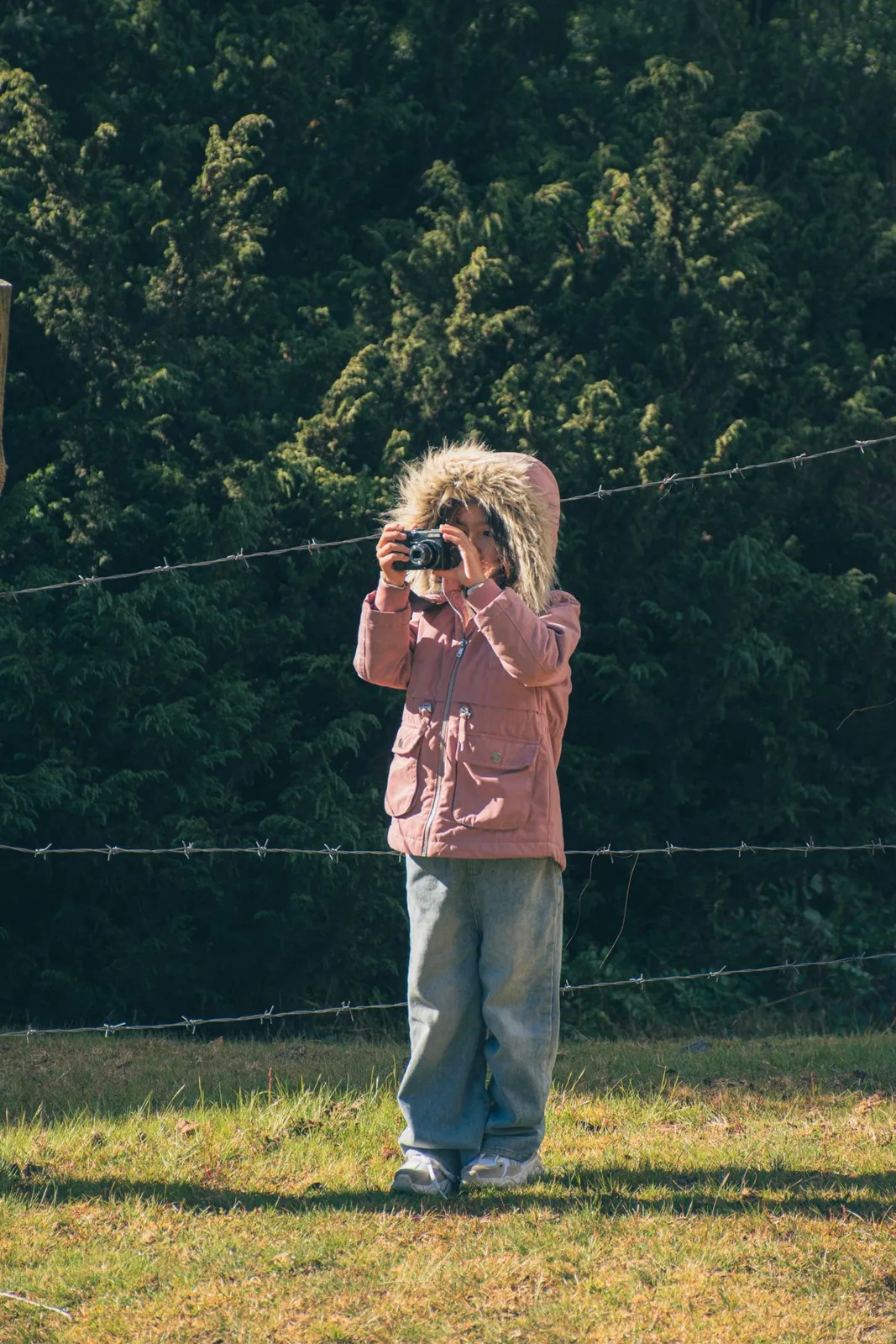
A photo walk can become a search through a screen unless there is room to look first. Keep the route short and the number of pictures modest. The interesting part is choosing what deserves a photograph, not filling a device with every object along the path.
Use a camera or phone you already have, or let children direct an adult taking the pictures. Check that each child can use the equipment comfortably without it distracting them from walking.
Choose a theme you can actually find
Try shadows, circles, doors or things that contrast. A familiar permitted route can offer plenty of examples. Avoid a theme requiring access to private gardens, approaches to wildlife or photographs of strangers.
Younger children might choose one colour. Older ones could compare a close view of a detail with a wider view showing its surroundings. Both can use the same route and share a device in turns.
Set a small limit, such as six pictures each. Explain that the number is a way to encourage choices, not a score. It is fine to come home with fewer.
Stop walking before using the camera
Choose a safe, permitted place to stand without blocking others. Put the device away during road crossings and while negotiating uneven ground. Adults remain responsible for the route and supervision.
Look at the scene together before taking a picture. Ask what the child wants the photograph to show. They may need to change the framing from the same safe position rather than move closer to a hazard.
Respect people and places
Follow signs about photography and ask permission where appropriate. Focus on details that do not expose other people's private lives. Do not photograph through windows, enter property or include other children as subjects without suitable permission.
Leave plants, objects and wildlife undisturbed. A photograph is a record of what is there, not a reason to rearrange someone's display or move an animal for a better view.
Leave some discoveries unrecorded
After a few pictures, keep the camera away for a stretch. Notice whether anyone sees something they would have missed while looking at the screen. A description or memory can be enough.
If a child wants to photograph everything, ask which one feature best represents that part of the walk. Offer help choosing rather than insisting on a correct answer.
Review a few pictures together
At home, let each child select a favourite and explain their choice if they want to. Do not judge only sharpness or composition; an imperfect picture may hold the detail they cared about.
Agree what to keep and how it will be stored. Ask before sharing a child's photographs beyond the household, and check for identifying information or other people in the background.
One chosen image can become a drawing prompt or a small print later. The walk can end with looking at the pictures together, without requiring an album, a post or another finished project.
Make it work for your family. Keep the useful bits and change the rest.