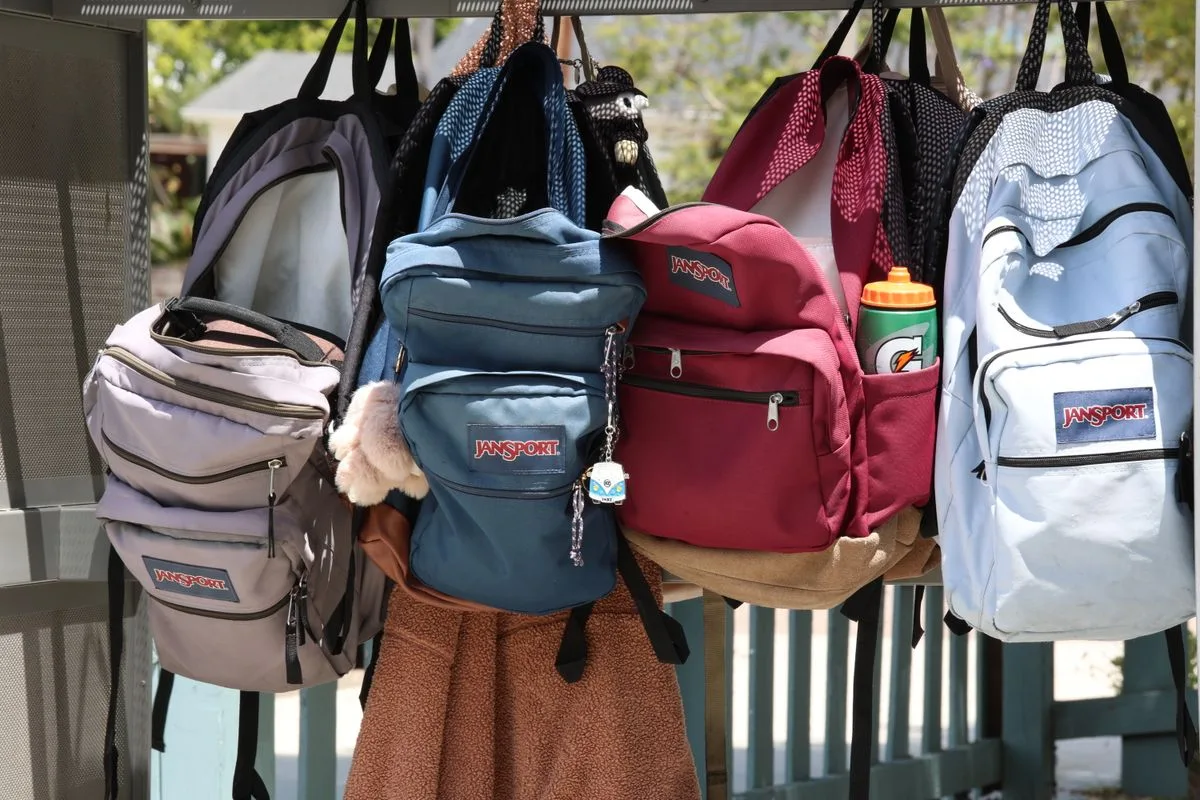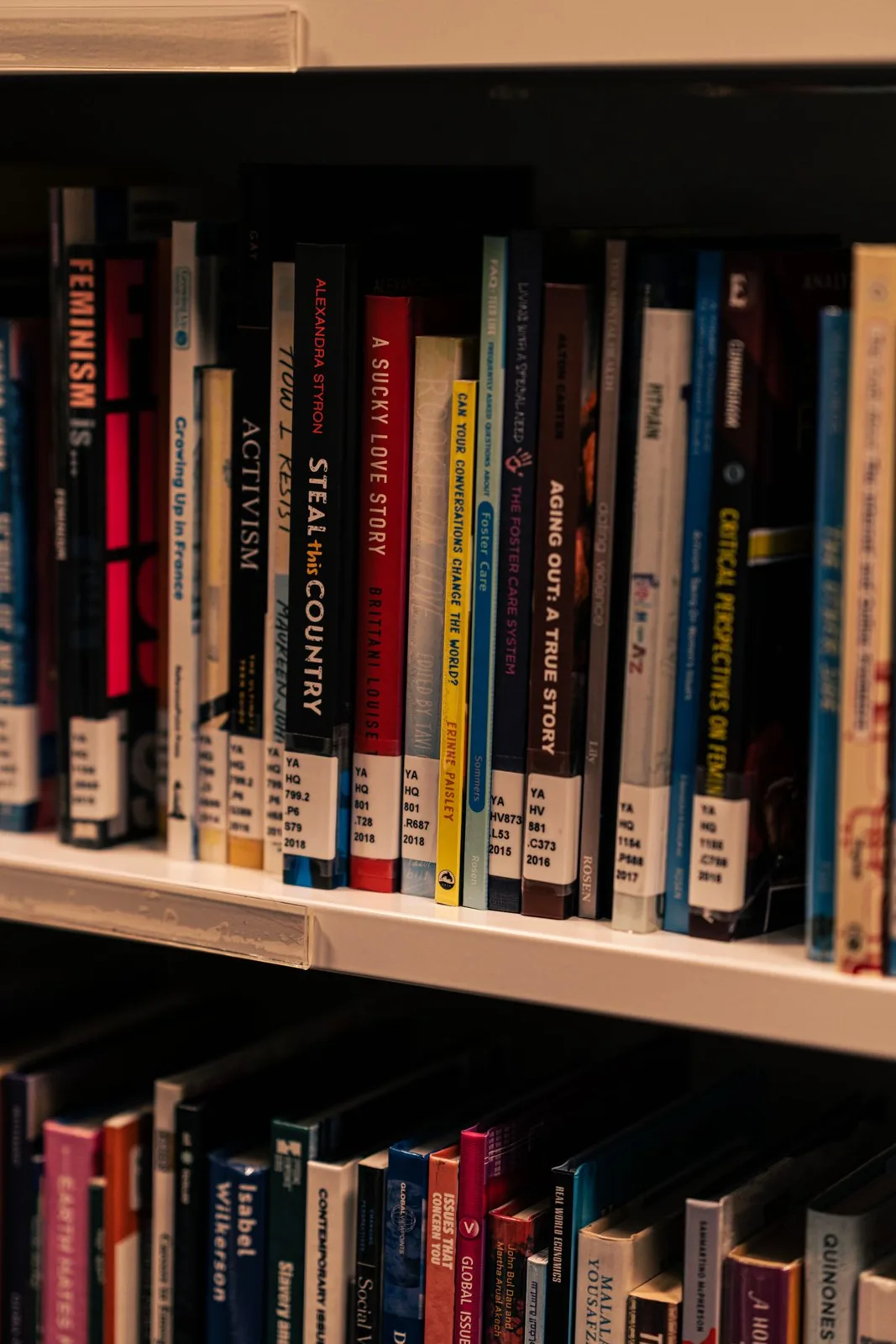
A library book is easy to lose when it moves between a bed, a sofa and a school bag without a usual destination. A practical routine does not require books to stay untouched on one shelf. It gives them somewhere to return after reading and a clear route back to the library.
Choose a place that children can reach and adults can check. The system should support reading as well as returning.
Keep borrowed books visibly separate
Use one shelf section, a basket or a sturdy tote for current loans. If home books and library books share a bookcase, add a simple label or divider. Avoid marking borrowed books themselves with stickers or tape.
Let children carry a book to a comfortable reading place, then practise returning it when they are finished. For bedtime favourites, a small bedside space can be a temporary home as long as the household knows to check it before a library visit.
Separate books from food, drinks and craft materials. A basket under the snack table may be convenient for adults but risky for paper pages.
Check dates through the library's own record
Use the receipt or online account to see what is due and when. Do not assume every item has the same loan period. Different borrowers in the family may also have different dates.
Add a reminder to the calendar early enough to arrange a return or renewal. Follow your library's current rules rather than relying on a previous visit's arrangement. If a book cannot be renewed, plan the actual return rather than leaving it in the reading basket with a mental note.
Children can help count books against the record. An older child might read titles aloud while another finds them. An adult still manages account details and checks that the final group matches what is being returned.
Make a return bag part of finishing
When a book is finished and ready to go back, place it in a dedicated return bag. Keep the bag somewhere dry and away from exits or stairs. It should not become a second place for unrelated belongings.
Before leaving for the library, check the usual reading spots and compare the bag with the account. A brief planned check is easier than searching beneath furniture in coats and shoes.
If a book is missing, ask where it was last read and search the most likely places calmly. Contact the library through its normal route if you need advice about a lost or damaged item. Avoid making promises about fees or replacements without checking their policy.
Put new loans straight into the library-book place. Remove old receipts once they are no longer useful and update the next due-date reminder. Let each child choose one book to look at immediately so returning does not become the only memorable part of borrowing.
Adjust the number of loans to what the household can keep track of. A small selection that gets read and returned is more manageable than a large stack everyone forgets to open.
Make it work for your family. Keep the useful bits and change the rest.