Borrowed things become difficult to return when they lose their story. A jumper on a chair may belong to a cousin, a friend or the household. A short note and one predictable holding place can preserve that information until the next sensible chance to hand it back.
The routine works for children's belongings and adult ones alike. It should make returning things easier, without turning the entrance hall into long-term storage.
Capture the owner when the item arrives
Write the owner's name and what was borrowed on a removable note or in a small list. Add an agreed return date when there is one. Do not stick labels directly onto delicate or valuable surfaces.
For a young child, explain the distinction clearly: “This is Arun's book. We can read it here and then give it back.” Older children can help record a borrowed game, including its pieces, before they start using it.
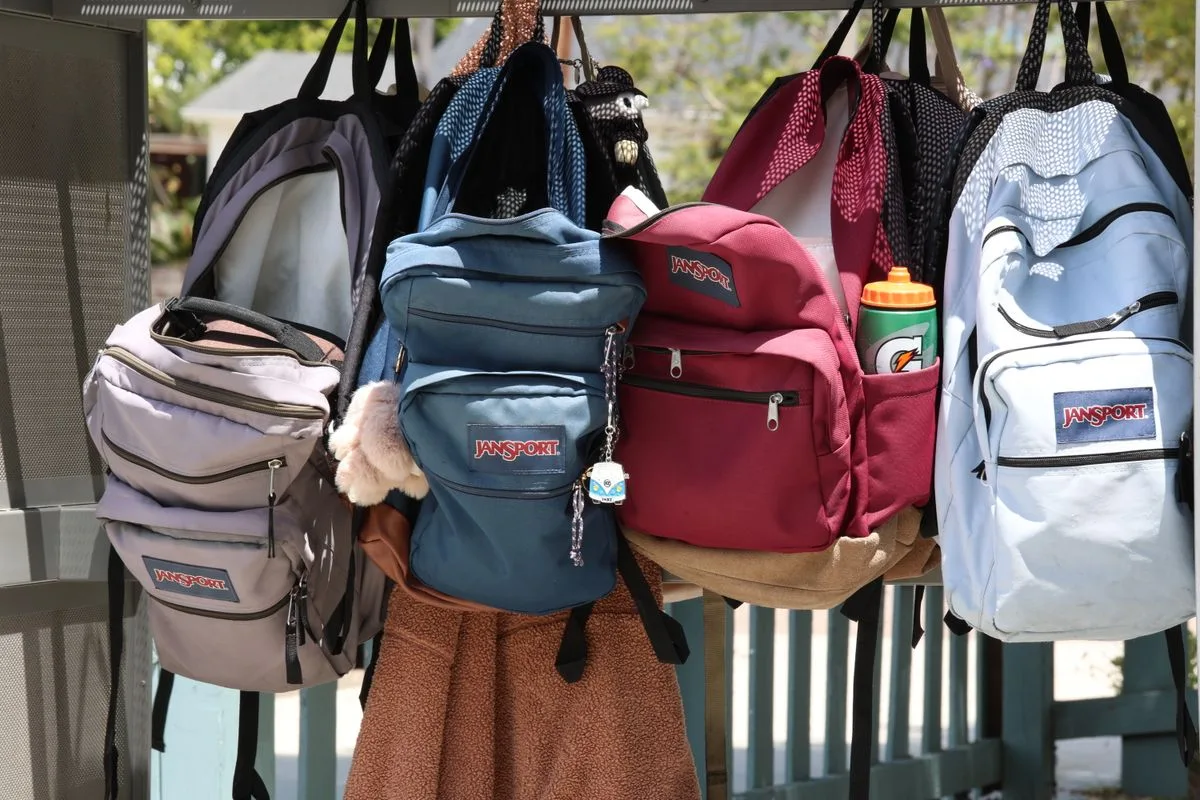
If an item comes home from school with an uncertain owner, follow the school's lost-property arrangement. Avoid guessing and passing it to another child on the basis of a similar coat.
Choose a place that suits the item
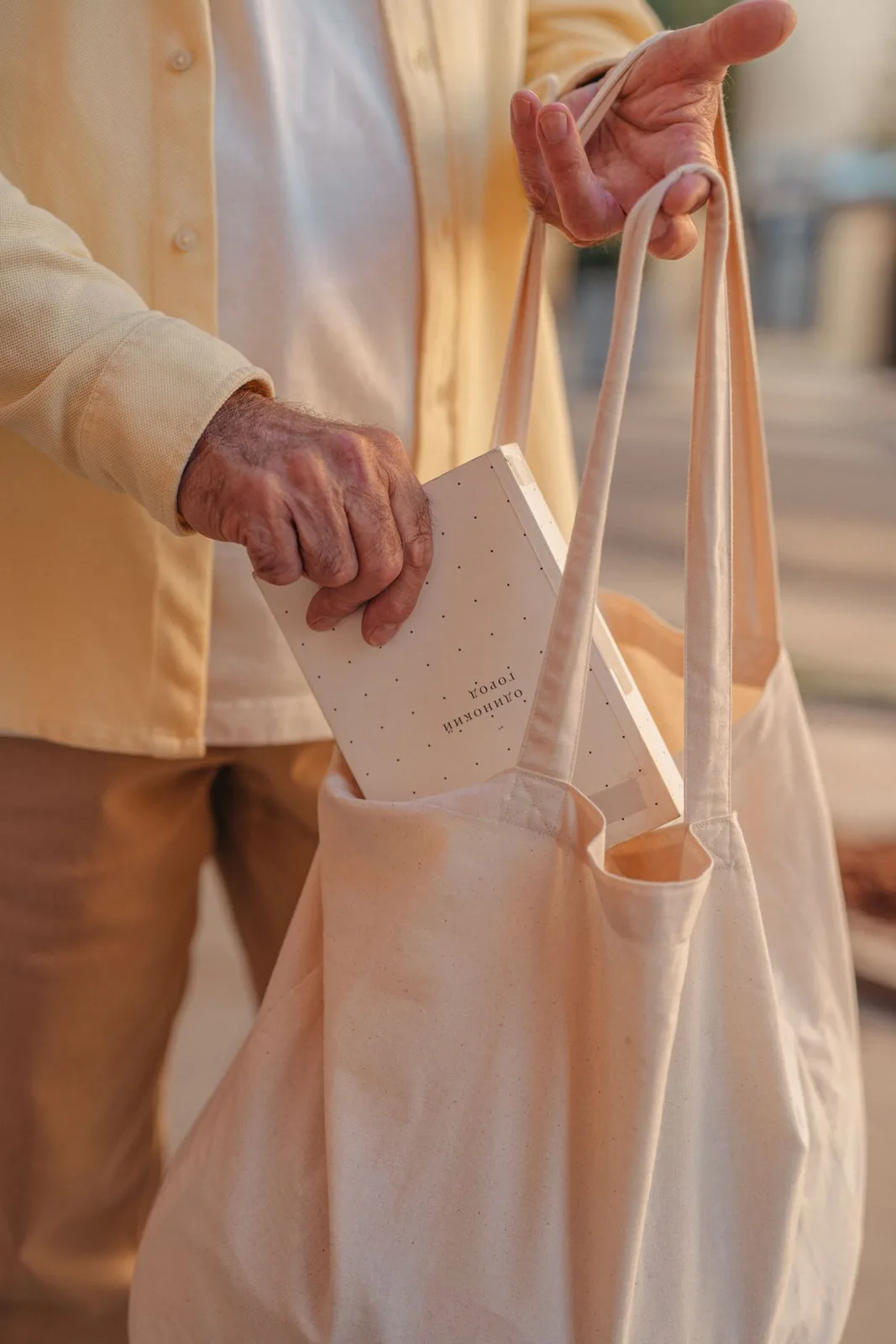
A small return bag can hold books or clothing once they are ready. Keep it out of walking routes and away from damage. Store fragile equipment in a suitable protected place and put a reminder in the bag instead.
Separate “still using” from “ready to return”. Otherwise an adult may hand back a library book a child is midway through, or assume a muddy borrowed coat is ready simply because it sits by the door.
Follow the owner's instructions for cleaning and packing. Ask before attempting an unfamiliar repair or washing something that needs special care. If damage occurs, tell the owner rather than hiding it under a tidy fold.
Attach the return to a real meeting
Check the holding place before an existing school run, family visit or library trip. Put the agreed return on the relevant calendar entry: “See Grandma; bring her baking tin.” A reminder at the moment of departure is more useful than a note buried in a general task list.
Ask the other person how they would like the item returned when the arrangement is unclear. Do not leave possessions outside a home or with a third party without agreement. A child can carry an appropriate item, while an adult remains responsible for the exchange.
For library items, check the service's actual due dates and return options. Keep a receipt or confirmation if the service provides one and you need to confirm the return.
Remove the reminder after the handover
Mark the item returned and clear its note from the holding place. That prevents the household repeatedly hunting for something already delivered. If a plan falls through, choose the next definite opportunity rather than moving the bag to another corner.
Review the place occasionally. Anything waiting for weeks needs an adult decision or conversation with the owner. A return bag is useful when it connects an object to its person and its next journey; it should not become a second lost-property box.
Make it work for your family. Keep the useful bits and change the rest.