Laundry offers plenty of jobs, but “help with the washing” is too broad to be a useful instruction for a young child. Sorting a few clean socks or putting their own folded clothes in a drawer has a recognisable beginning and end. Start there, rather than expecting help with every stage.
Choose a task that fits the child's reach, strength and interest. The adult remains responsible for the machine, cleaning products and the overall washing routine.
Work with clean, dry items first
Put a small batch of clean clothes on a low surface or beside you on the floor. Keep the working area away from appliances and stored laundry products. A child can participate without being asked to operate equipment or handle detergents.
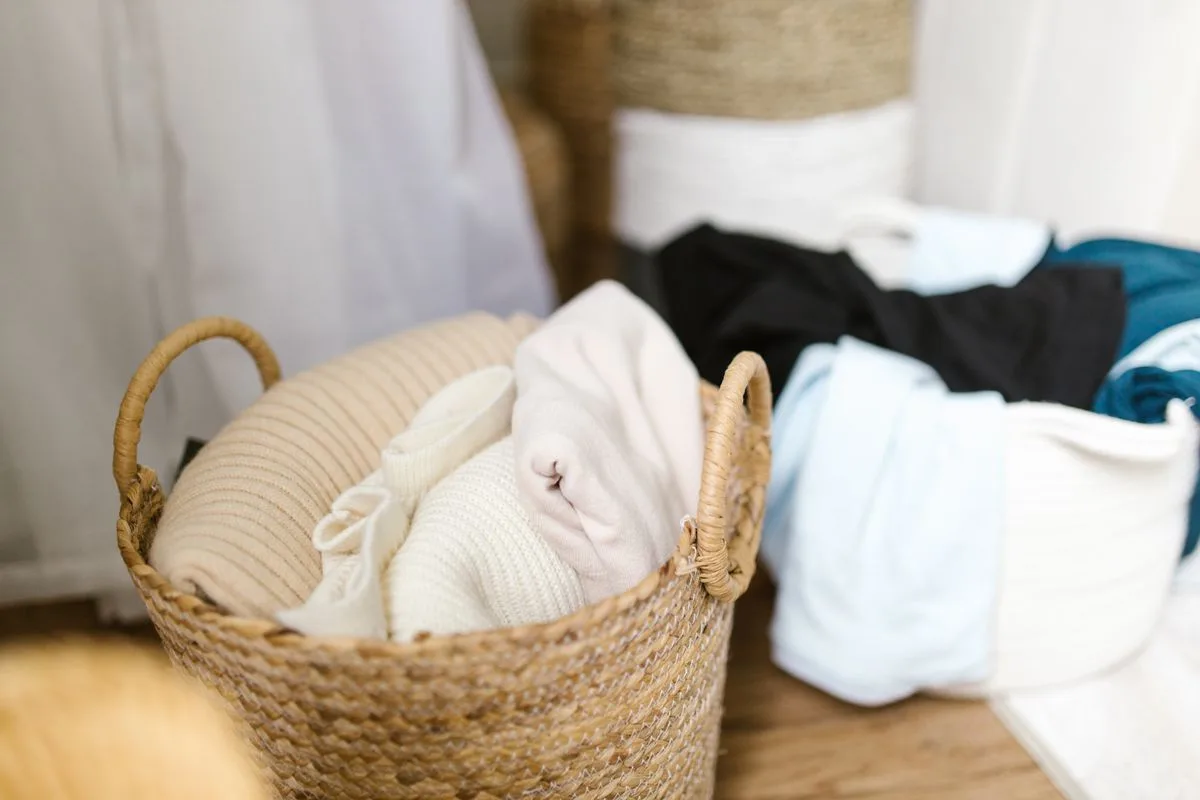
For a two-year-old, try placing three familiar items into an open basket. Say where each one goes and work together. A four-year-old might separate their clothes from an adult's; an older child could sort their own T-shirts and trousers.
Do not start with a whole mixed load. A handful of items lets you see whether the child understands the job before the clothes spread across the room.
Choose one useful role
Matching socks works well when the pairs have distinct colours or patterns. Lay one sock from each pair in a row, then offer the partners. Leave almost identical socks to the adult if the exercise becomes frustrating.
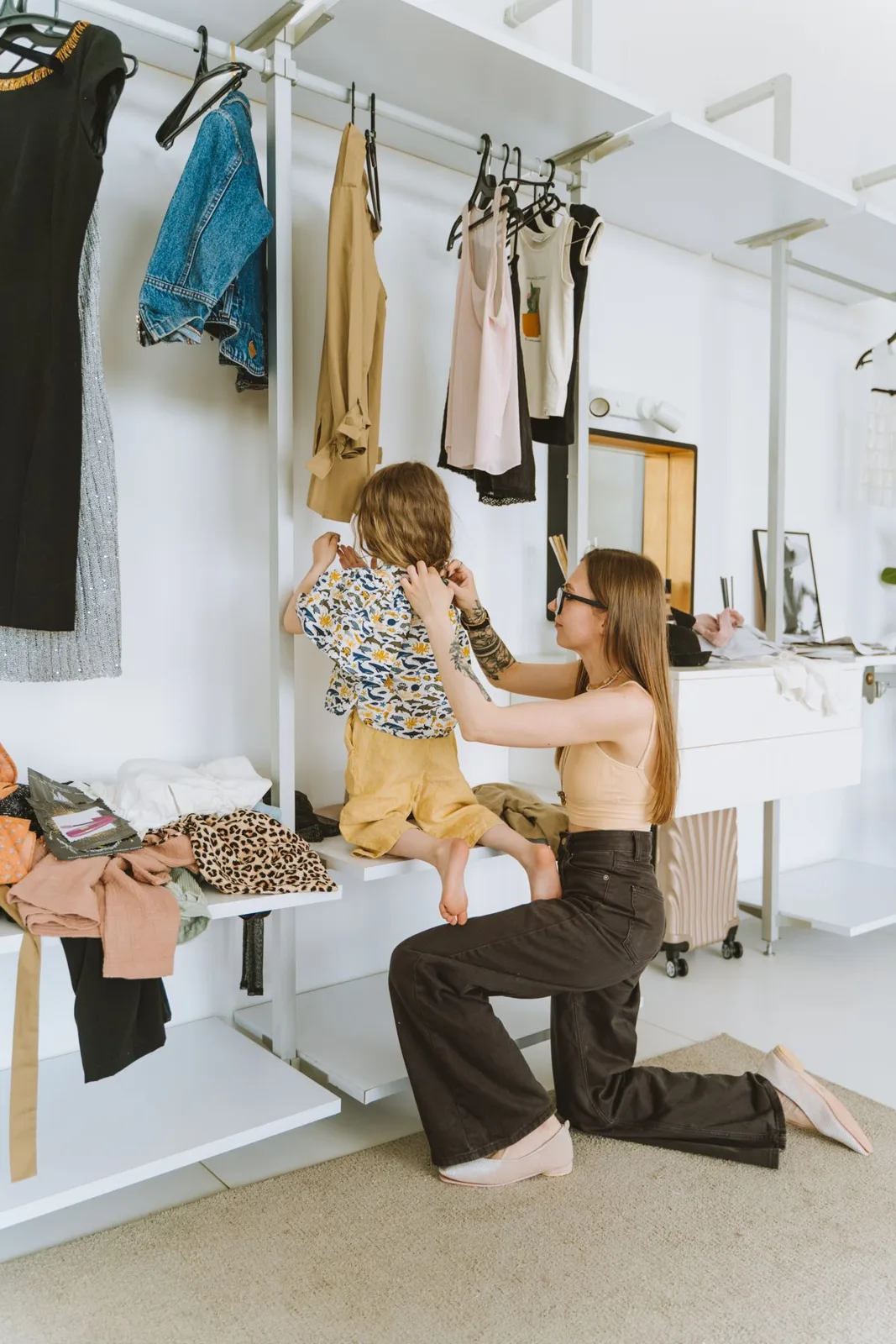
Alternatively, make “deliver my clothes” the role. Put a few light items in a small basket and walk to the correct drawer together. The drawer must be reachable and easy to open without climbing or pulling furniture.
A child who enjoys folding can practise on one small towel. Fold it once together, then allow their version to be usable rather than perfectly aligned. Clothes that are easy to find matter more than a shop display.
Show the finish in advance
Explain the endpoint before you begin: “These six socks need partners, then we are done.” If you are putting clothes away, point to the empty basket as the finish. Avoid extending the job to another load because the first one went smoothly.
Keep your own related work nearby. Sorting alongside a child makes it easier to answer a question or untangle a sleeve without turning the task into a lesson. Name practical help specifically: “Now your school socks are together in the drawer.”
Keep the help proportionate
If the child loses interest, finish the necessary work yourself and offer a smaller role another day. The household still needs clean clothes; the child's practice does not have to carry that responsibility.
Build the role into a real moment
Link the task to something that already happens, such as putting away the dry washing before the basket returns to its usual place. A repeated small contribution is easier to remember than an occasional ambitious sorting session.
Review what actually helps. If carrying the basket is awkward, bring the clothes to the drawer yourself and let the child place them inside. As they become more capable, add one step with them. Keep laundry products securely out of children's reach and sight throughout, including during a supposedly quick job, as advised by Poison Control's laundry-product guidance.
Make it work for your family. Keep the useful bits and change the rest.