Children are often invited to “help” with a job whose method has already been decided. Giving them a real say starts with a small part of the task that can genuinely change.
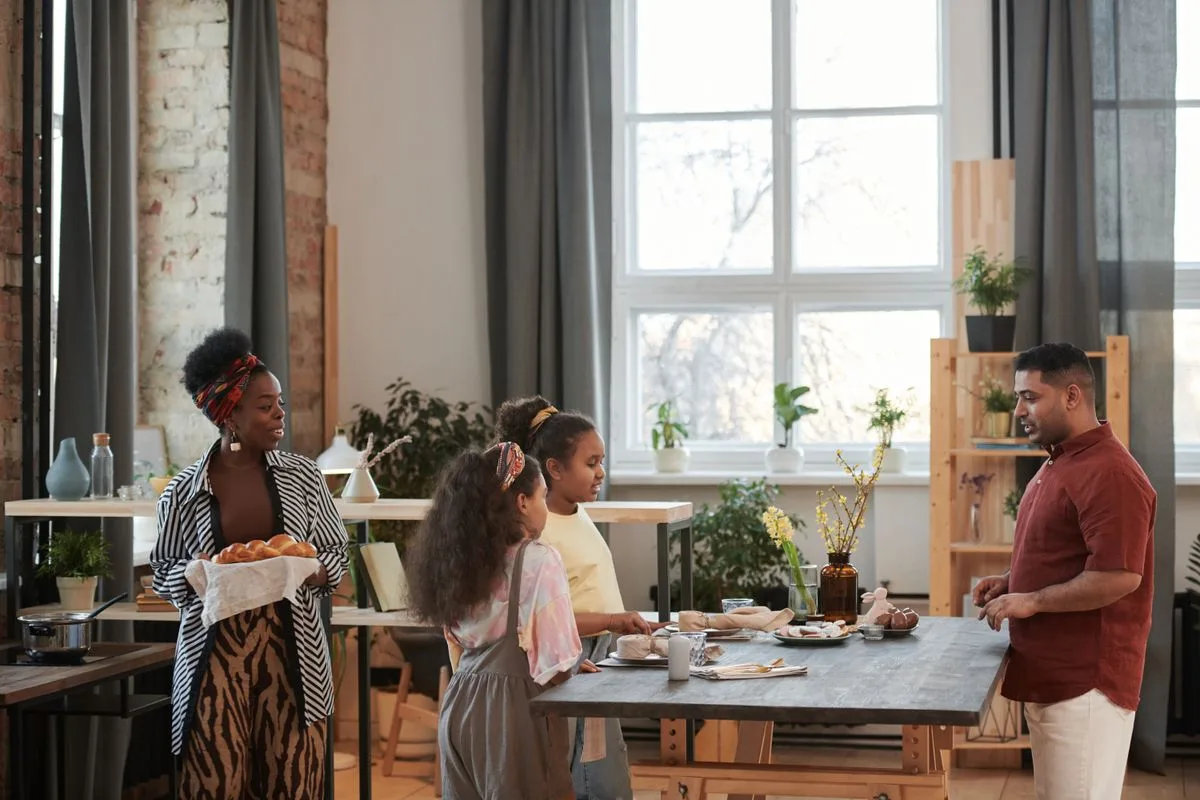
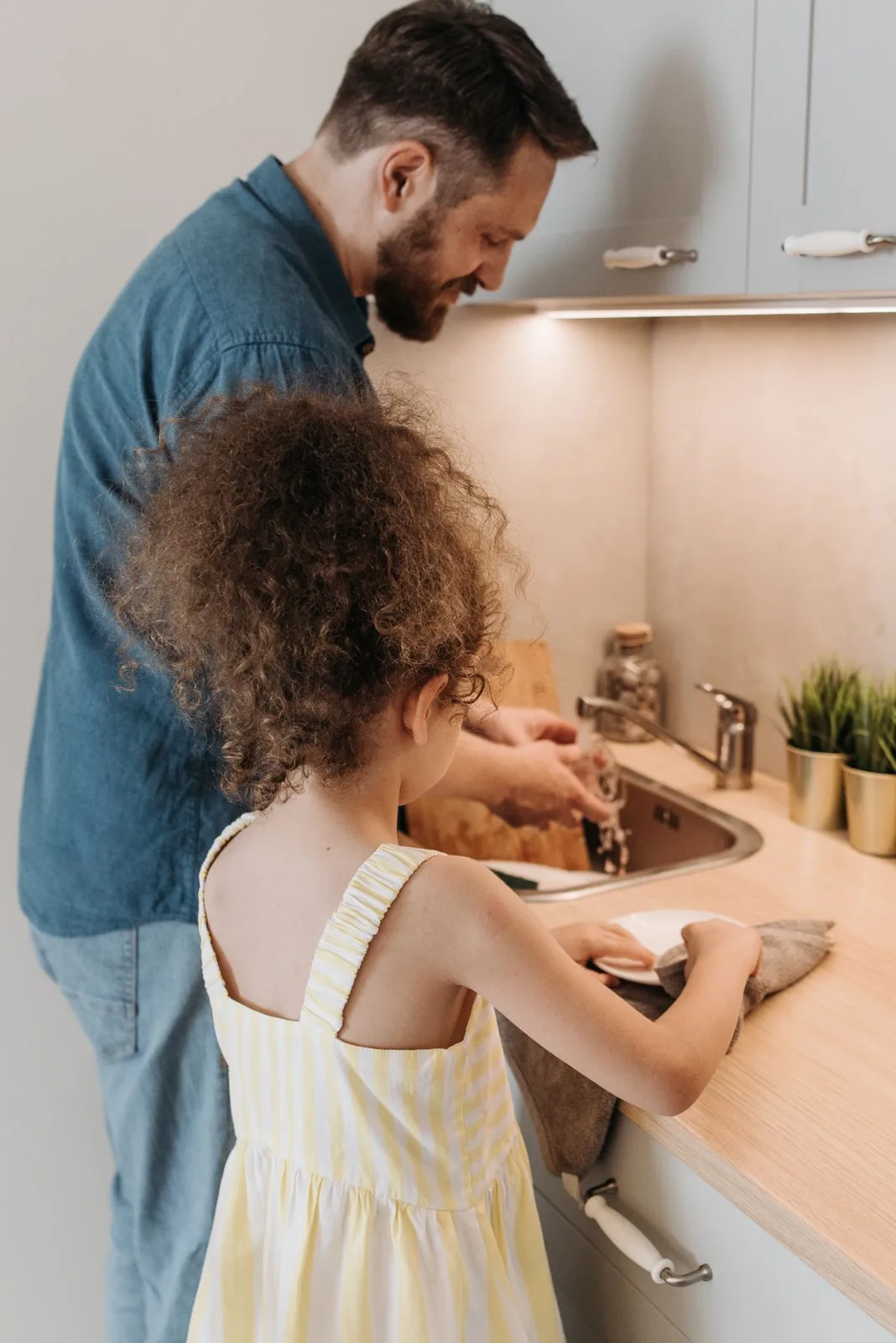
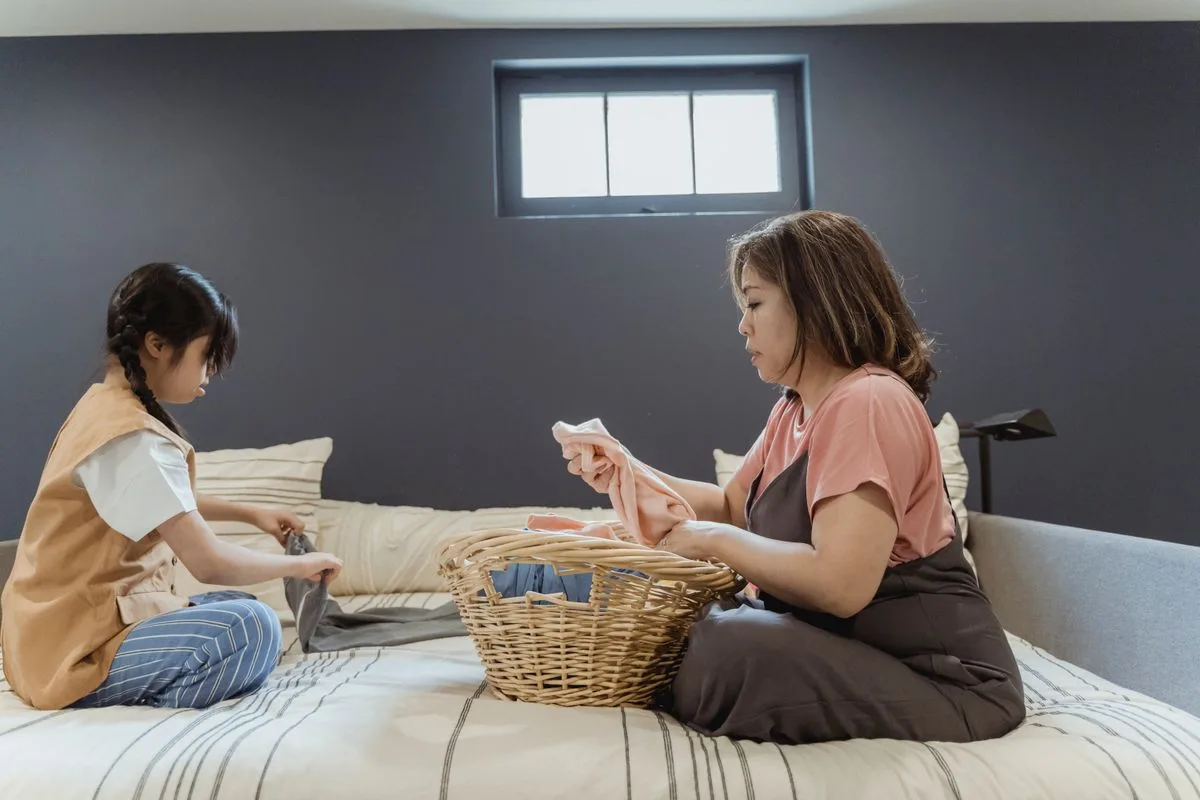
Choose an ordinary, low-stakes job: arranging the reading books, matching socks or putting napkins on the table. Adults keep responsibility for anything requiring adult supervision or judgement. The child gets influence over a practical detail, rather than responsibility for running the household.
Find a choice with two workable answers
Ask yourself what can vary. Towels might be rolled or folded; drawing paper could live in a tray or a folder. Both options need to fit the available space and remain usable.
Avoid presenting a choice when only one answer will be accepted. “Would you like to tidy?” is confusing if tidying is required. “Shall we put the blocks away before the cars or afterwards?” gives a clear choice within the actual task.
For a child who enjoys inventing solutions, leave the method open: “How could we make these books easier to find?” Explain the constraints before they start designing.
Show the problem without making it a complaint
Put the objects where the child can inspect them. “The socks are mixed together, so pairs take time to find” describes a problem. “Nobody ever puts anything away” turns the discussion into a judgement.
Ask what they notice. A younger child may point to a colour or shape; an older child might suggest separating school socks from other pairs. Both can contribute useful information.
Keep the scale modest. One drawer offers a visible challenge. Reorganising every child's clothes at once makes it difficult to see whether an idea works.
Try the child's method long enough to learn from it
Help set up the proposed arrangement, then use it for a few ordinary days. If the child suggests a label, let them choose words or a drawing they can recognise.
Resist correcting a harmless difference immediately. A row of rolled tea towels may look unfamiliar but still work perfectly well. The useful questions are whether people can reach them, use them and put them back.
If something does not work, describe the obstacle specifically. “The lid is hard to open while holding a book” invites a practical adjustment. It does not make the child's idea a failure.
Keep effort and ownership proportionate
Agree what the child's job includes. Matching five pairs of socks is a finishable task; “sort all the laundry” may expand as adults add more washing.
Younger children may work alongside an adult for the whole job. Older children can take on a small independent part, with supplies placed where they can reach them.
Thank them for the particular contribution: noticing the missing pair, suggesting the tray or finishing the labels. There is no need to turn every task into a reward scheme.
Return to the arrangement together when the household changes. Children can revise their own ideas, and adults can acknowledge that a different method has made an everyday job easier.
Make it work for your family. Keep the useful bits and change the rest.