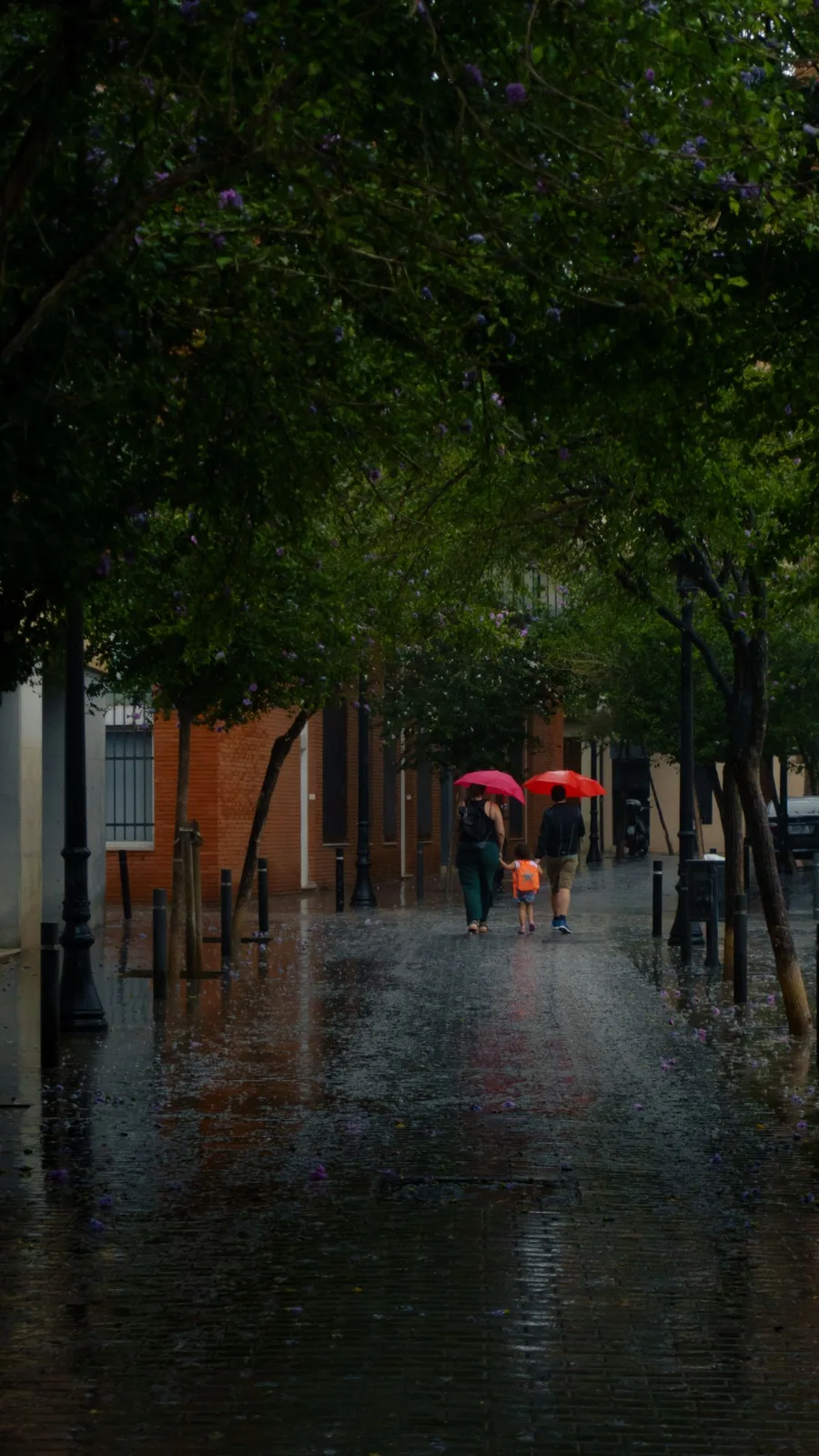
Light rain may leave a short outdoor visit workable; strong wind or worsening conditions may change it completely. A dry fallback helps when it is simple enough to use. A distant indoor attraction requiring a new booking is rarely an easy last-minute substitute.
Choose the outing and its alternative together, then decide what information will trigger a change. Check the forecast and relevant local warnings before travelling.
Keep the two plans close together
Look for an outdoor option near a suitable indoor place your family would enjoy. Check the indoor place's current opening hours, charges and booking requirements. Do not assume it can take extra visitors on a rainy day.
A local library or a planned return home may be a better fallback than a busy attraction. If the alternative is home, choose one activity already available there, such as a building set or a shared book.
Include the travel between the two. A supposedly dry option that needs a long walk through heavy rain does not solve the immediate problem. Check where you can wait without blocking entrances or relying on facilities you have not arranged to use.
Pack for a shorter outdoor attempt
Choose clothing and footwear for the expected conditions and the actual ground. Keep a dry change where it will remain dry. Adults should decide whether umbrellas are practical for the children, space and wind.
Reduce loose objects. Managing hats, toys and several bags at a wet bus stop can be more tiring than the walk itself. Bring what you need for the planned duration, with essential items easy to reach.
Explain that the outdoor part is an attempt: “We will look at the park when we arrive. If the paths are unsuitable, we will use our other plan.” Avoid presenting both outings as promises that will definitely happen.
Choose a decision point
Assess conditions on arrival and before moving away from an easy return route. Follow venue closures and staff advice. A prepared fallback is useful only if you are willing to use it when circumstances change.
Let children describe comfort without giving them responsibility for the safety decision. “My socks are wet” is useful information. Adults still decide whether to continue, shorten the visit or leave.
For younger children, name the next concrete action: go back to the entrance, change shoes, then travel home. Older children can help choose between two available alternatives once adults have checked them.
Make the fallback feel complete
Give the indoor plan a small purpose of its own: choose a book about weather, build a shelter for toy animals or draw the most interesting thing seen outside. Do not keep apologising for the lost original outing.
Unpack wet clothing promptly when you return and reset borrowed supplies. Note what made the change awkward, perhaps missing spare socks or unclear opening hours. Improve that one detail next time, without turning every rainy forecast into a large expedition.
Make it work for your family. Keep the useful bits and change the rest.