A family visit can become surprisingly crowded before anyone arrives. There is lunch to fit in, a walk somebody suggested, a game the children were promised and several people hoping for time to talk. An empty afternoon can disappear under good intentions.
Choose one shared activity as the visit's anchor. The rest can remain ordinary time together, with space to sit, help in the kitchen or do something quietly.
Ask what would make the visit comfortable
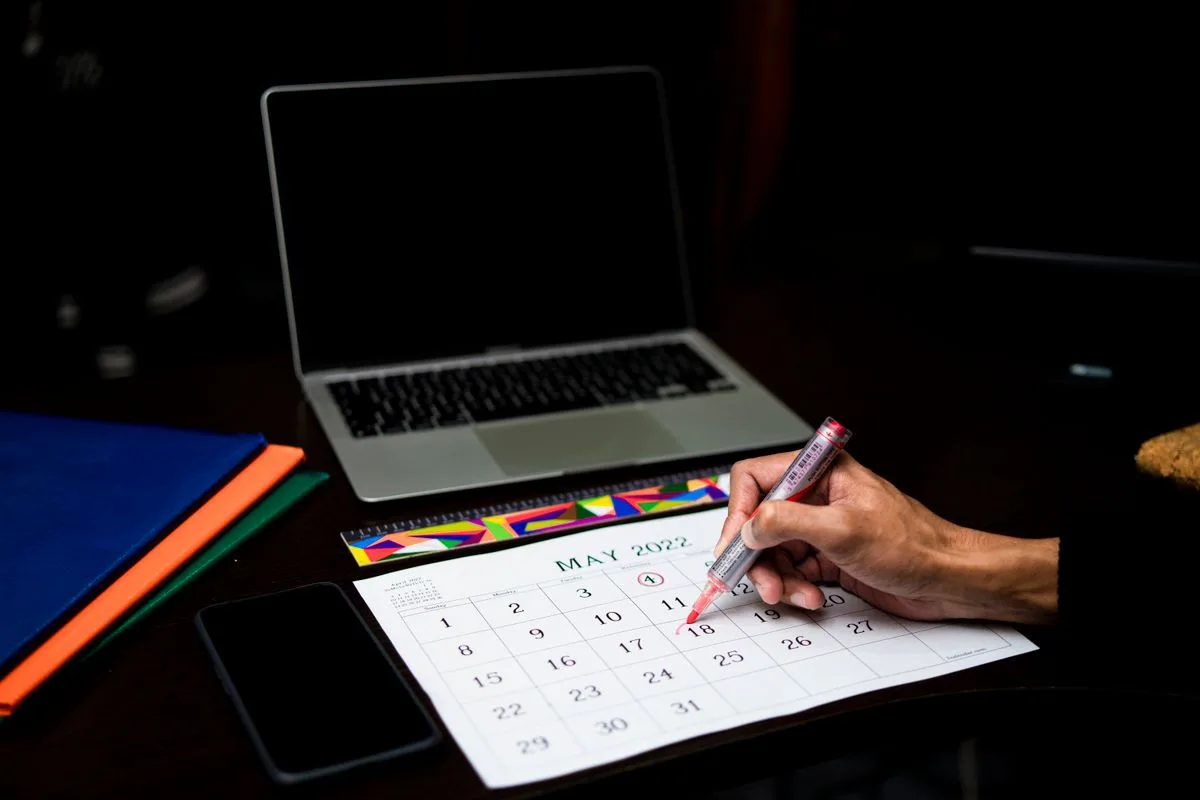
Check the host's preferred arrival and departure times. Ask about practical needs directly rather than guessing from previous visits. A shorter visit may suit everybody better than an entire day.
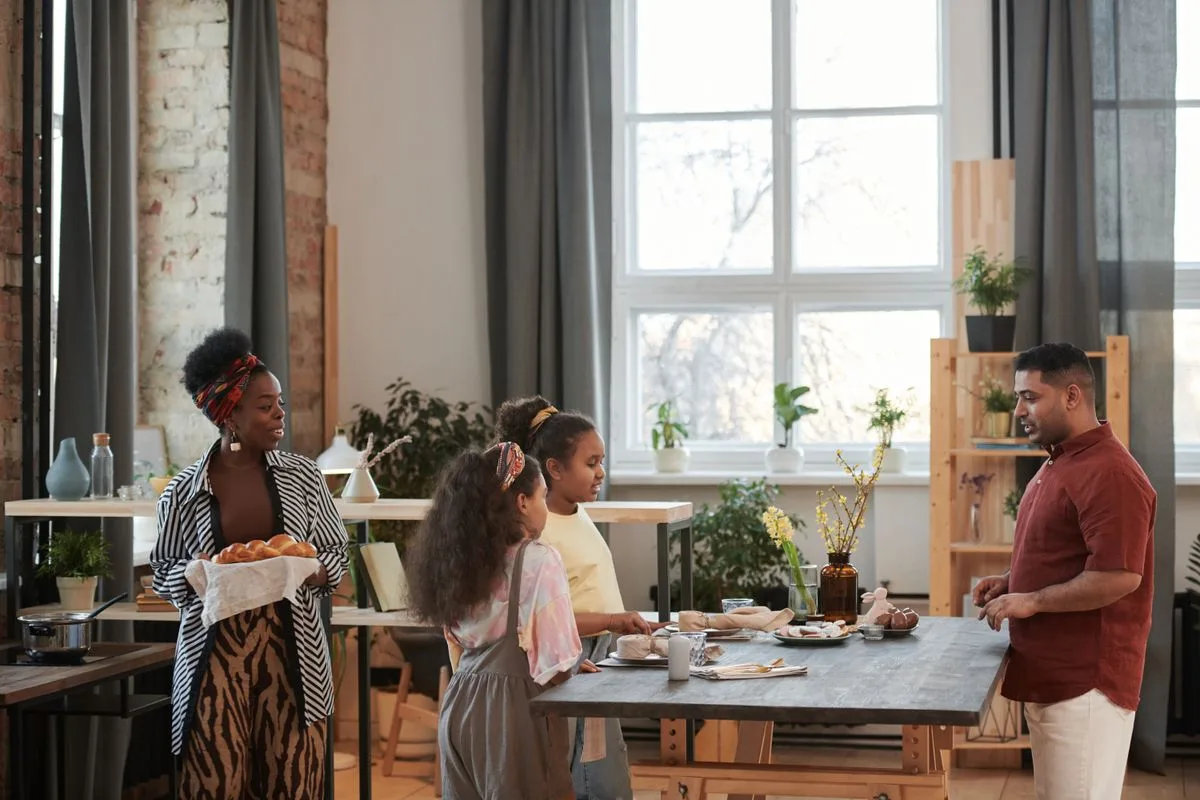
Explain the children's current routine where it affects the plan. If a younger child usually eats early, ask whether bringing a simple snack would help. Do not assume the host wants to prepare separate meals or reorganise their whole day.
Let the host name something they would enjoy. Looking through photographs, watering plants or walking to a nearby bench can give the visit a purpose without requiring an elaborate outing.
Pick one activity with a flexible edge
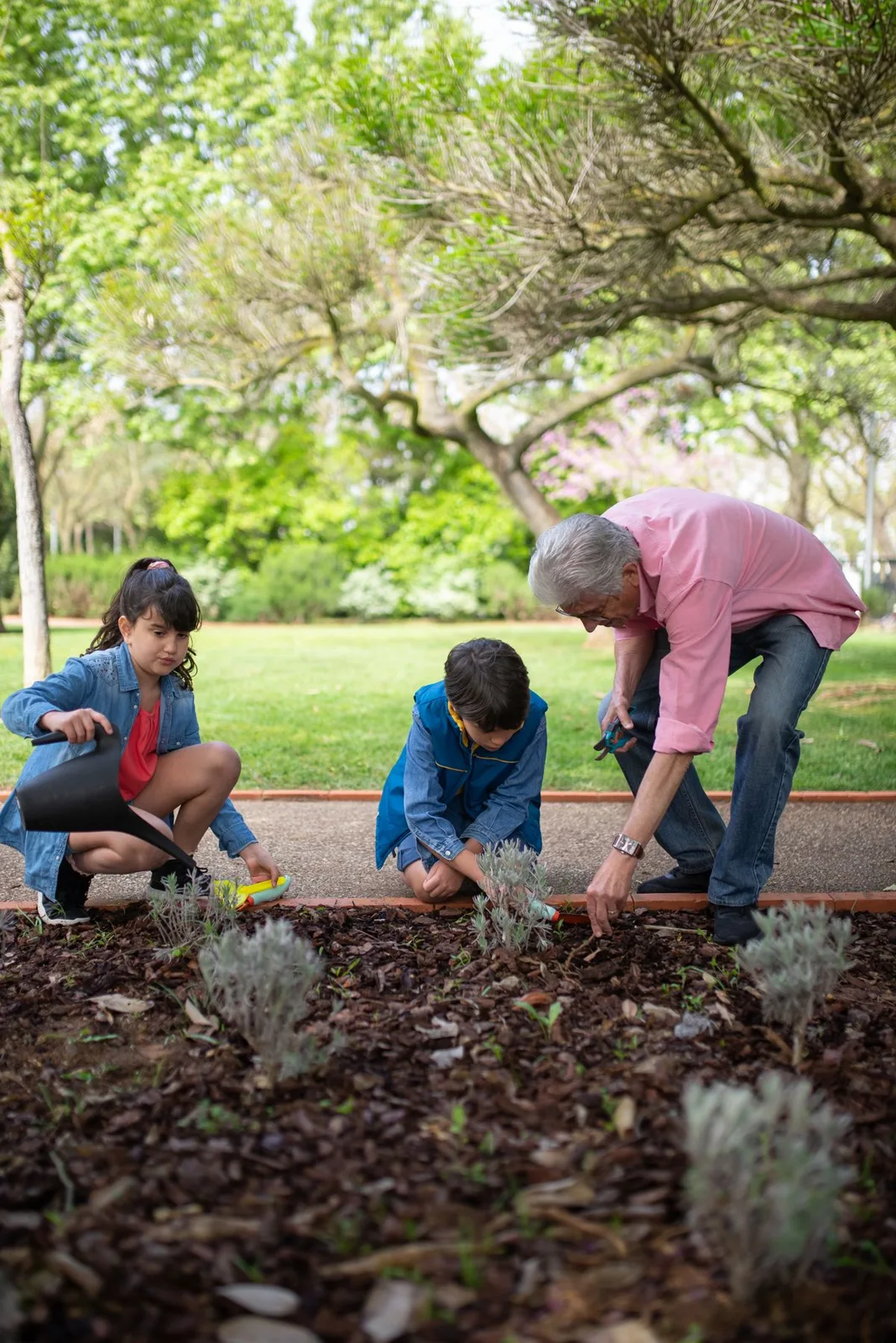
Choose an activity people can join for different lengths of time. A garden task, simple game or short walk can work better than a tightly timed sequence of attractions.
Think about how children of different ages will participate. A younger child can carry a small empty pot while an older child helps label plants. Someone who wants to watch should have a comfortable place nearby.
Check the practical boundaries: which rooms children may use, whether any objects should be left alone and where outdoor play is possible. Explain these calmly at the start rather than correcting children after they have already explored.
Leave a gap after arrival
Allow time for greetings and settling in before starting the activity. Children may want to look around a familiar room or show something they brought. Adults may need a drink and a chance to finish a conversation.
Bring a small independent activity, such as a book or drawing wallet, without treating it as a programme for the whole visit. It gives a child something available when adult conversation takes longer than expected.
Avoid insisting that every person participate in every moment. A grandparent reading beside a child building blocks is still spending time together, even when they are doing different things.
Make the last part of the visit easy
Agree who is travelling with whom and what time you need to leave. If the journey is long, allow time for a toilet visit, packing and finding coats before the actual departure.
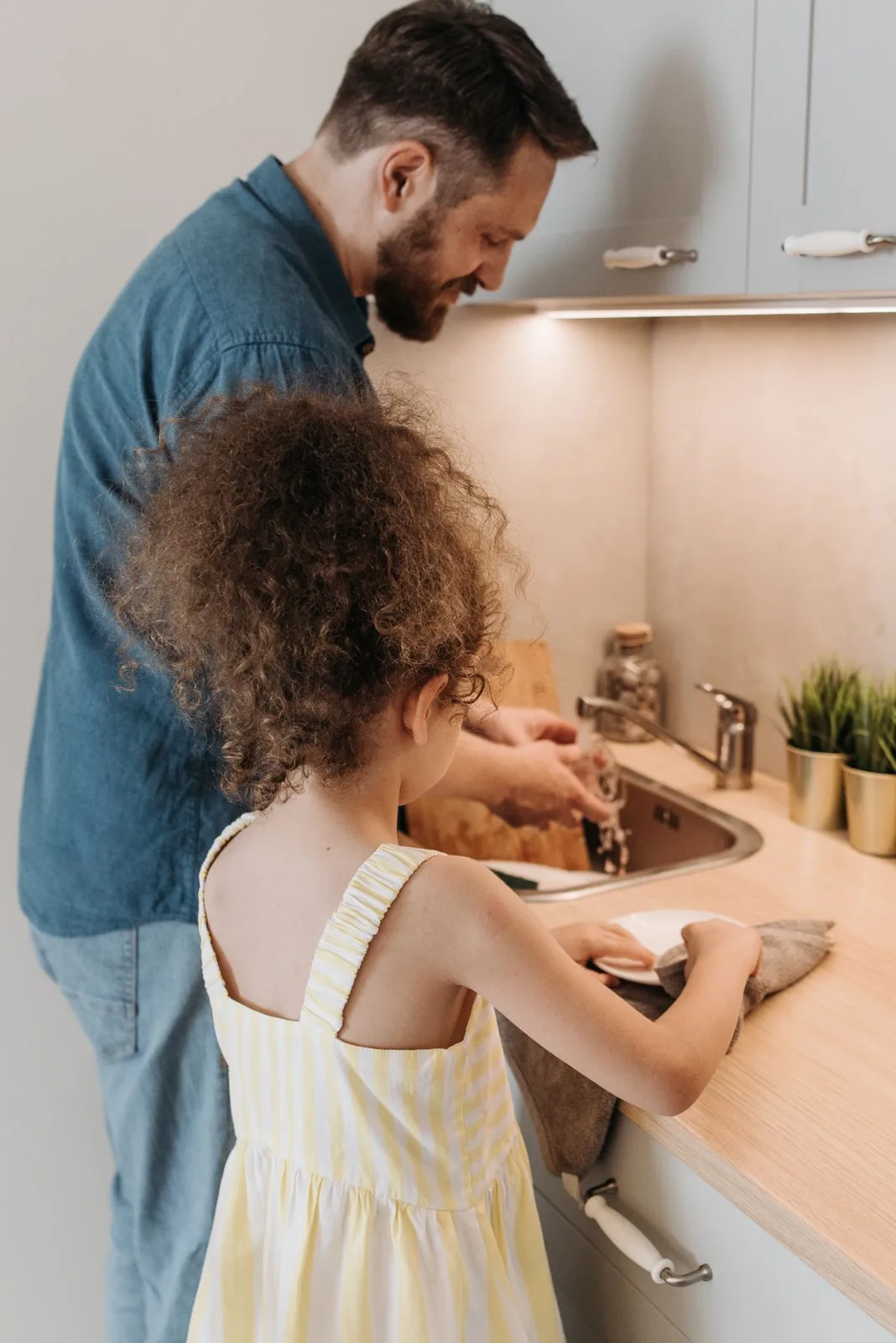
Give children a brief warning and a concrete final job. They might return a game to its box or choose the drawing they want to take home.
Check borrowed items and any belongings moved during the visit. Keep the goodbye warm but manageable rather than repeatedly restarting it while adults gather possessions.
Afterwards, notice what fitted comfortably. If one short activity and a shared meal worked well, you do not need to make the next visit busier. Leave enough unplanned space for people to enjoy one another.
Make it work for your family. Keep the useful bits and change the rest.